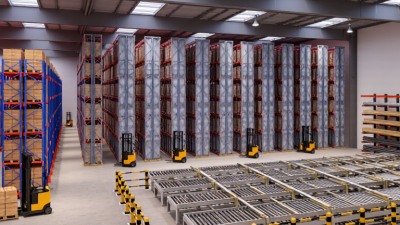
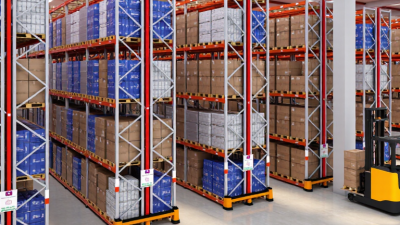
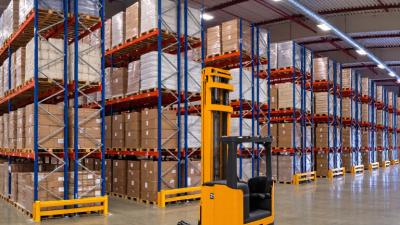
Choosing among the top pallet shelving manufacturers in China takes more than comparing catalog prices. Buyers should examine load ratings, steel specifications, beam connections, surface finishes, and available inspection records. A drawing may look convincing. The details matter more.
Warehouse-storage consultant Chen Wei puts the principle simply: “A good pallet shelving system is proven on the floor, not just on paper.” That is a useful test, though the quotation is an editorially composed summary, not a sourced interview. In practice, ask suppliers for configuration drawings and confirm that stated capacities match the proposed layout. Check how they handle custom dimensions, replacement components, delivery schedules, and after-sales support. Clear answers are reassuring. Vague promises are not.
This guide compares Chinese manufacturers through practical buying considerations, including product range, customization, quality documentation, and communication. It also recognizes a limitation: supplier claims do not replace independent checks or site-specific engineering review. A warehouse with narrow aisles, uneven floors, or changing inventory needs careful planning. Pallet shelving must suit the real operation, not an idealized brochure. Shortlist thoughtfully. Then verify the details before ordering.
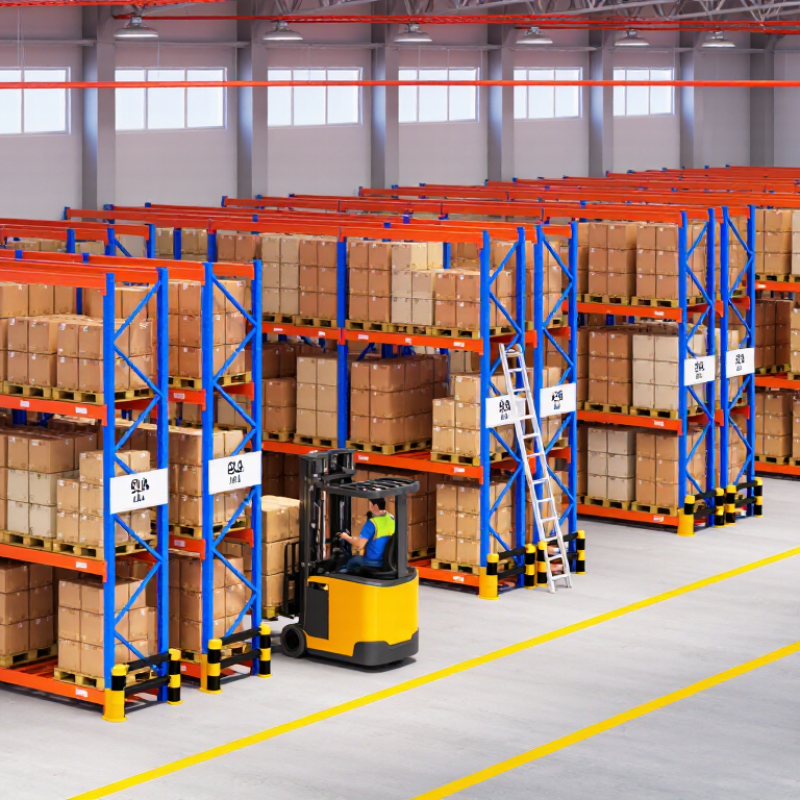
Pallet shelving, commonly called pallet racking, stores goods on pallets across multiple levels. Its basic structure uses upright frames joined by horizontal beams. Diagonal and horizontal braces help keep each frame stable. Base plates spread forces across the floor, while anchors may be required by the system design. Small details matter.
Beam connectors and safety locks help secure each level. Wire decking or pallet support bars can provide added support, depending on the load and rack design. Each bay must suit the pallet dimensions, product weight, and handling equipment. Capacity should be confirmed from the manufacturer’s specifications, not guessed from appearance. That matters.
In a warehouse, this structure uses vertical space while keeping palletized goods accessible to forklifts. Selective layouts can make individual pallets easier to reach, though wider aisles may reduce storage density. A drawing may show clean aisles, but daily picking can reveal awkward turning space. It happens. Teams should check clearances, floor condition, and load labels before use, then inspect frames and beams for visible damage. Even a practical layout may need adjustment after real operations begin.

The chart compares nominal footprint areas calculated from common pallet dimensions: 1200 × 800 mm, 1200 × 1000 mm, and 1219 × 1016 mm (48 × 40 in). Pallet dimensions affect rack beam spacing and storage layout. In pallet shelving, beams support pallet loads, uprights transfer those loads to the floor, and the rack layout determines how warehouse space is used.
The 1,200 × 1,000 mm pallet footprint is a common reference size in China, specified in GB/T 2934-2007. It describes the pallet’s length and width, not the complete space a loaded pallet needs inside a rack. That distinction matters. A load may overhang, and its weight can affect beam selection, upright capacity, and safe handling. When comparing pallet shelving designs, confirm that the quoted dimensions refer to the usable bay opening rather than the pallet itself.
In a working warehouse, measure the actual pallets, including worn or slightly uneven edges. Check forklift entry direction and the clearance needed to place loads without striking frames. A design based only on the nominal 1,200 × 1,000 mm footprint can feel tight during busy shifts. I would recheck the measurements before ordering; this step is easy to rush.
Tips: Share pallet dimensions, maximum loaded weight, handling equipment, and storage height with the rack designer. Ask for the recommended beam spacing and operating clearances in writing. Test the layout with a sample pallet if possible. Real loads are rarely as tidy as drawings.
Reliable pallet racking starts with design data, not a catalogue image. EN 15512 provides a framework for the structural design of adjustable steel pallet racking. Engineers consider upright and beam properties, connection behavior, load combinations, and stability. The actual layout matters. A tall frame carrying uneven loads behaves differently from a short, lightly loaded bay.
EN 15620 addresses tolerances, deformations, and clearances. These details affect whether forklifts can place pallets without striking beams or frames. Floor variation, rack alignment, and truck dimensions all deserve attention during installation. A few millimetres can matter. Measurements should reflect site conditions, not assumptions made at a desk.
Design is only part of the picture. EN 15635 focuses on using and maintaining storage equipment, including inspections and damage management. Staff should know how to report a bent upright, loose component, or impact mark, and damaged areas need prompt assessment by a competent person. Keep load notices visible and avoid changing beam levels without checking the approved configuration. Paperwork can miss things. Even a sound design needs honest, regular checks, and inspection intervals should suit the site’s risks and activity.
Comparing Chinese pallet shelving manufacturers means looking beyond product photos. Check whether each supplier offers selective racks, drive-in systems, or mezzanines suited to your warehouse layout. Ask for load charts that match your pallet size, beam span, and storage height. Clear drawings matter. A small mismatch can affect aisle space or forklift access.
Production capacity deserves a closer look. Ask about monthly output, fabrication lines, inspection steps, and realistic lead times during busy periods. A large factory is not automatically the right fit; consistent weld checks and traceable materials may matter more for your order. Certifications can help assess quality systems, but verify their scope, issuing body, and validity. They do not replace product-specific load calculations or inspection records. Catalogs rarely show every limitation.
Tips: Send the same rack layout and load requirements to each supplier. Compare written quotations, sample inspection records, and delivery schedules side by side. Leave room for questions; some details only surface after a careful review.
When comparing pallet shelving manufacturers in China, ask for a bay-by-bay load schedule, not just a headline capacity. It should state beam and upright limits, load conditions, and the required number of beam levels. ANSI MH16.1 sets design and testing criteria for industrial steel storage racks; request calculations that show how the proposed configuration meets the standard. A 2021 U.S. Bureau of Labor Statistics report recorded 4.8 cases of injury or illness per 100 full-time workers in warehousing and storage. That figure is not rack-specific, but it underlines why clear capacity labels and damage checks matter.
Tips: Send suppliers your pallet dimensions, maximum weights, forklift type, and a simple floor plan. Ask them to mark the weakest bay. A polished catalog proves little.
For seismic design, request the site-specific design assumptions, anchorage details, and engineer-reviewed calculations. Check that the drawings show base plates, anchors, beam locks, and clearances around sprinklers. Ask what happens after installation: inspection guidance, replacement-part availability, and a written response time for damage reports. One gap I would question is a warranty that excludes ordinary warehouse impacts without explaining repair options. Get the limits in writing.
| Evaluation Dimension | What to Check | Evidence to Request | Practical Evaluation Guidance |
|---|---|---|---|
| Load ratings and configuration | Confirm the rated load per beam level and per bay for the exact rack configuration, including beam span, frame height, upright profile, steel grade, and number of levels. | Project-specific layout and engineering calculations; component specifications; load plaques or signs showing the applicable ratings. | Compare suppliers only using the same layout and loading assumptions. Do not treat a single advertised capacity as valid for every rack configuration. |
| Load assumptions and safety factors | Check whether calculations state pallet dimensions and weight, load distribution, beam deflection criteria, impact assumptions, and any limits on uneven or concentrated loading. | Written design basis, calculation notes, and operating or loading instructions. | Require assumptions to be documented and consistent with actual pallet loads and handling equipment. Resolve any differences before comparing quotations. |
| Seismic design | Verify that seismic design is based on the project location, applicable building code, site conditions, rack geometry, stored loads, and anchorage details. | Site-specific calculations and drawings identifying the design criteria, bracing, base plates, anchors, and connection details. | Ask a qualified design professional to confirm local code requirements. A general statement that a rack is “seismic” is not a substitute for project-specific design. |
| Applicable technical standards | Identify the standards and editions used for design, tolerances, installation, inspection, and maintenance. | Design documentation referencing the applicable standards, such as EN 15512, EN 15620, or EN 15635 where relevant, or the applicable local equivalent. | Standards differ by market and scope. Confirm with the project engineer and authority having jurisdiction which requirements apply to the installation. |
| Materials and manufacturing quality | Review steel grades, thickness tolerances, weld quality, coating or finish specifications, and traceability of critical components. | Material certificates where specified, inspection records, process controls, and documented quality procedures. | Check that supplied components match approved drawings and specifications. Agree on inspection and acceptance criteria before production. |
| Installation and handover | Clarify who is responsible for installation, anchoring, alignment, inspection, and resolving site variations. | Installation method statement, completion checklist, as-built drawings, and handover documentation. | Define responsibilities and acceptance steps in the contract. Rack performance depends on correct installation and use as well as design. |
| After-sales support and spare parts | Confirm the service contact, response process, availability of replacement components, and support for damage assessment or reconfiguration. | Written service terms, warranty conditions, spare-parts list, and a clear process for reporting and tracking issues. | Set response times, repair responsibilities, and parts lead times in the contract; these are commercial commitments, not universal industry standards. |
| Inspections and maintenance | Check whether the supplier provides guidance for routine checks, damage reporting, safe unloading, and repair or replacement of damaged parts. | Inspection and maintenance instructions, reporting forms, and staff training materials. | Establish a site inspection program appropriate to local requirements and operating conditions. Follow the system’s documented instructions and applicable regulations. |
| Quotation and project transparency | Compare scope, quantities, finishes, accessories, packaging, delivery terms, installation, exclusions, and proposed schedule. | Itemized quotation, project drawings, technical specifications, delivery plan, and a list of exclusions or assumptions. | Evaluate like-for-like offers. Record unresolved technical and commercial questions before making a supplier decision. |