China’s pallet storage rack industry has become a significant source for warehouses, factories, and distribution centers worldwide. Many manufacturers now combine automated production, structural testing, and customized engineering services. Yet choosing a reliable supplier requires more than comparing catalog prices.
This guide examines ten leading Chinese manufacturers through practical purchasing criteria. These include manufacturing experience, load capacity, steel quality, welding consistency, surface treatment, and project support. Factory audits, product certifications, installation records, and customer feedback also deserve close attention. Small details matter. A bent beam or unclear load label can create serious operational concerns.
The selection considers manufacturers serving different applications, including selective pallet racks, drive-in systems, pallet flow racks, and automated storage solutions. It also reviews their export experience, design capabilities, quality-control procedures, and after-sales communication. Technical drawings should match real warehouse conditions, including aisle width, forklift type, floor strength, and seismic requirements.
No ranking can represent every buyer’s situation. A supplier performing well in a large distribution center may not suit a smaller warehouse with limited capital. Some manufacturers communicate efficiently but offer weaker local installation support. Others provide strong engineering advice yet require longer production schedules. These trade-offs deserve honest discussion.
The following overview aims to support informed supplier research. It does not replace professional structural assessment or site-specific planning. Reliable pallet storage depends on accurate measurements, suitable materials, and disciplined installation. Look beyond appearance. Ask better questions.
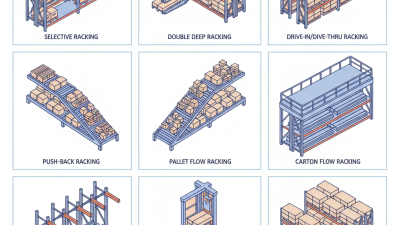
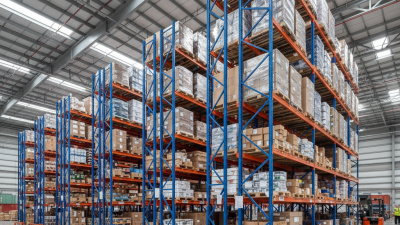
Pallet storage racks are steel systems designed to hold palletized goods above the warehouse floor. Upright frames carry vertical loads, while horizontal beams support each pallet position. Common designs include selective, drive-in, double-deep, and pallet-flow racks. Each suits a different storage pattern.
China is a major supplier because its factories combine large-scale steel processing with flexible production. Many manufacturers can adjust beam lengths, frame heights, loading levels, and surface finishes for different warehouses. They also serve export markets through established engineering, packaging, and shipping networks. In practical projects, buyers should check steel grades, weld consistency, beam deflection, load testing, and coating thickness. A polished catalog is not enough.
The top 10 pallet storage rack manufacturers should be judged by more than price. Reliable suppliers provide clear drawings, load calculations, inspection records, and installation guidance. They should explain how floor conditions, forklift traffic, seismic exposure, and pallet dimensions affect the design.
Small details matter. A rack may fit the aisle but fail the operation. I have seen projects change after measuring real pallets and forklift turning paths. That step is easy to skip, and the original plan may look efficient but waste space. Buyers should compare production control, communication speed, after-sales support, and documented quality before placing an order. Even experienced teams need to recheck assumptions.
China’s top pallet storage rack manufacturers are evaluated through practical evidence, not attractive catalogs. Experience appears in how well a supplier handles different warehouses, load patterns, and installation limits. A reliable manufacturer can explain beam deflection, upright capacity, aisle width, and floor requirements in clear language. Vague answers deserve caution.
Engineering quality starts with verified steel specifications and consistent production controls. Evaluators may review material certificates, welding procedures, dimensional checks, and coating thickness. Load testing should reflect real pallet weights and uneven loading conditions. Small details matter. A loose connector or poorly finished weld can create expensive problems later. Factory audits also reveal whether inspection records are complete, current, and traceable.
Authority depends on documented projects, qualified engineers, and compliance with recognized regional standards. References from comparable warehouses provide stronger evidence than general claims. Service reliability matters too. The manufacturer should offer layout support, installation guidance, spare-part access, and a clear response process for defects. Communication is part of performance.
No checklist is perfect. Site conditions can expose weaknesses that factory samples miss. Some buyers may also overvalue low prices and underestimate future maintenance. A careful evaluation compares total ownership costs, delivery consistency, technical documents, and after-sales support. The strongest manufacturers accept detailed questions and provide measurable answers. That confidence is useful, but it should still be tested.
China’s top 10 pallet storage rack manufacturers differ in experience, engineering depth, and production focus. Several specialize in heavy-duty selective racks for warehouses handling steel, machinery, and boxed goods. Others develop drive-in, push-back, or shuttle systems for higher storage density. Their stronger profiles usually include load calculations, certified welding procedures, automated coating lines, and documented quality inspections.
Some manufacturers focus on cold-storage environments, where brittle materials and condensation create additional risks. Others provide customized racks for narrow aisles, irregular pallets, or multi-level warehouse layouts. More advanced suppliers combine racking with conveyors, warehouse software, and automated storage equipment. Yet a polished factory tour does not prove long-term reliability. Customers should review project references, material certificates, test records, and after-sales response times. A low quotation can hide thinner steel or weaker surface treatment.
Tips: Ask for a signed technical drawing before production. Confirm beam capacity, upright thickness, pallet dimensions, aisle width, and floor conditions. Request photos from completed installations, not only factory samples. Visit the production site when possible. Small details matter. Inspect weld consistency, coating coverage, anchor placement, and protective guards. One limitation deserves attention: supplier rankings change as technology, service quality, and export experience develop. A careful buyer should compare evidence, not rely on promotional claims.
China’s top pallet storage rack manufacturers differ in more than price. Their products may include selective pallet racks, drive-in systems, shuttle racks, and automated storage solutions. Selective racks offer easy access and flexible adjustment. Drive-in designs increase density but reduce direct access. Shuttle systems improve throughput when pallet types remain consistent. Product quality depends on steel grade, beam geometry, welding control, and surface treatment.
Technology separates experienced factories from basic fabricators. Advanced manufacturers use three-dimensional design software, load simulations, automated roll forming, and robotic welding. These methods improve dimensional accuracy and repeatability. Strong factories also test beam deflection, connector strength, coating thickness, and full-bay stability. However, impressive machinery does not guarantee good engineering. I have seen attractive samples fail when installation tolerances were ignored. Manufacturing capability should include traceable materials, documented inspections, skilled technicians, and production capacity during peak orders. Compliance with relevant standards, such as EN 15635 or FEM guidance, should be verified for the intended market.
Tips: Request drawings, load calculations, steel certificates, and inspection records before comparing quotations. Check whether the factory can produce your required beam lengths, upright profiles, and safety accessories. Visit a working warehouse if possible. Ask about replacement parts and after-sales response times. A low price may hide thinner steel or weaker connections. That mistake becomes expensive. Choose evidence over polished claims.
The chart compares representative engineering ranges commonly used in China’s pallet-racking industry. Load capacity refers to the typical storage load per bay, while the technology score reflects the level of automation, simulation, and warehouse-system integration generally required for each solution. Actual specifications depend on pallet weight, rack height, seismic conditions, aisle layout, and applicable safety standards.
China Top 10 Pallet Storage Rack Manufacturers
How to Select the Right Chinese Pallet Rack Manufacturer for Your Needs
Choosing a Chinese pallet rack manufacturer requires more than comparing online prices. Start with your load requirements, pallet dimensions, aisle width, and available ceiling height. A capable supplier should convert these details into clear layout drawings and load calculations. Ask for steel grades, surface treatment methods, and inspection procedures. Vague answers deserve caution.
Visit the factory virtually or in person when possible. Look for automated welding areas, material traceability, coating checks, and organized finished-goods storage. Request recent project references from warehouses with similar loads. Independent testing can verify beam capacity and connection strength. Do not rely only on attractive photographs. They can hide inconsistent production quality.
Communication also affects the final result. Confirm tolerances, packaging, delivery dates, installation guidance, and replacement-part availability. A reliable manufacturer explains what happens when site conditions change. Written technical documents matter. So do sample approvals.
One practical lesson is easy to miss: the cheapest quotation may create higher installation costs. A small drawing error can affect hundreds of rack positions. I have seen planning assumptions change after a warehouse measurement. That is normal, but ignoring the change is not. Select a supplier willing to review details, admit limitations, and revise the design when evidence requires it.