What Are the Top Pallet Rack Shelving Types in 2026?

Choosing pallet rack shelving in 2026 is not just a matter of finding the strongest steel. The right system must fit the products, handling equipment, building, and daily pace of a warehouse. A pallet of boxed goods has different needs from long, awkward materials. So does a narrow aisle served by a reach truck. Small details matter: beam spacing, clearances, floor condition, and how often workers retrieve each load.

Warehouse-design consultant Jordan Lee puts the decision this way: “The best rack is the one that fits the load, the lift truck, and the work—not just the floor plan.” This is a practical guiding principle, not a sourced verbatim quotation. It captures why a popular system may still be a poor fit for a particular operation.

This guide compares the leading pallet rack shelving types expected to matter in 2026, including selective, drive-in, push-back, pallet-flow, and cantilever systems. Each offers different trade-offs in access, storage density, and product rotation. Selective racks provide direct access to individual pallets, while denser systems can reduce aisle space but may limit access. There is no universal winner. A layout that looks efficient on paper can feel cramped once forklifts turn and orders change. That deserves a second look. Use the comparisons ahead to assess real operating needs, not just headline capacity or storage density.
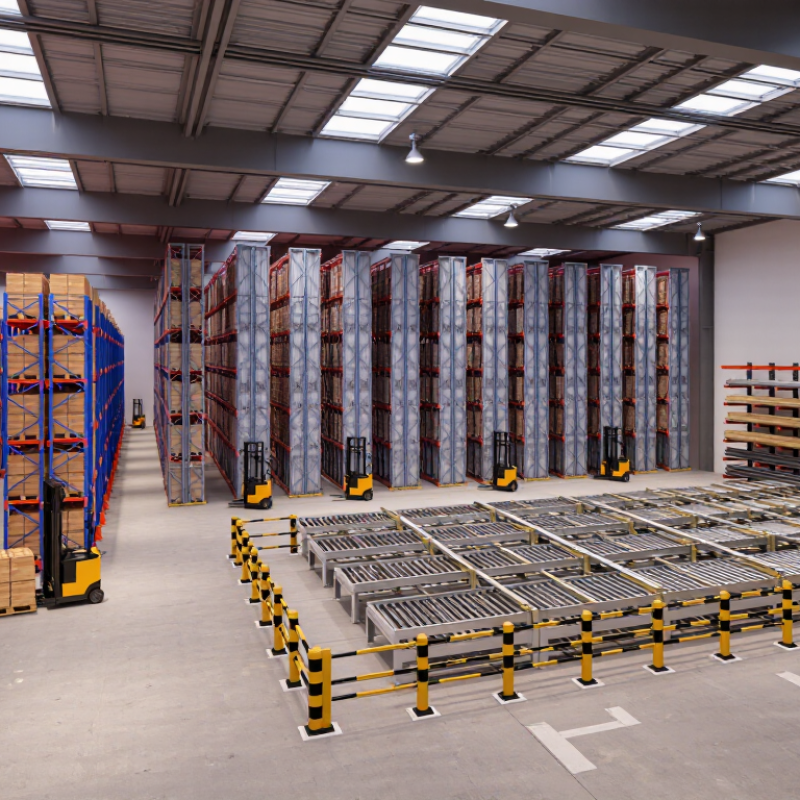
What Are the Top Pallet Rack Shelving Types in 2026?

How Pallet Rack Shelving Works in Warehouse Storage

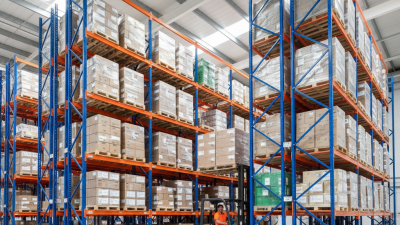
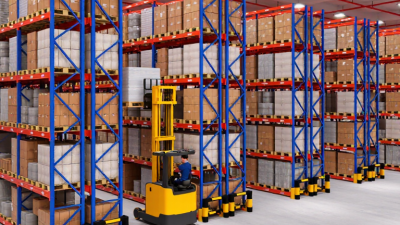
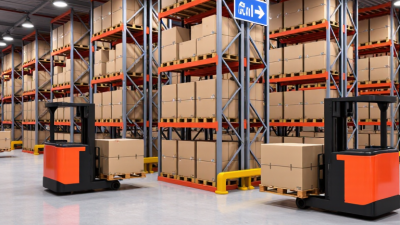
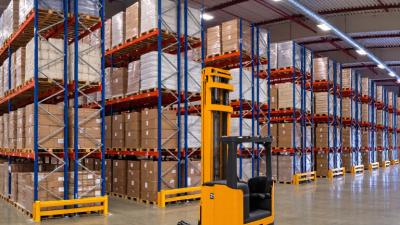
Pallet rack shelving stores palletized goods in vertical levels, leaving floor space open for receiving and picking. Upright frames support horizontal beams, and each pallet rests on a pair of beams. Forklifts place loads into bays and retrieve them when needed. The steel structure transfers weight to the floor, so both rack capacity and floor condition matter. Simple in principle.

The rack style changes how goods move. Selective racks give forklifts direct access to each pallet, which suits varied inventory. Drive-in racks use deeper lanes to store more pallets of the same product, but access is less flexible. Push-back racks and pallet-flow systems keep multiple pallets in a lane and move stock toward the picking face. They can save aisle space, though they require careful loading and stock rotation.

A practical layout starts with pallet dimensions, load weight, forklift turning space, and the order in which products move. Beams and bays must be rated for the loads they actually carry; do not estimate capacity by appearance. Clear aisle markings and visible load plaques help operators work consistently. Still, drawings rarely capture every real-world constraint. A column, uneven floor, or frequent forklift impact can change what works, so site conditions should be checked before installation and during routine inspections.
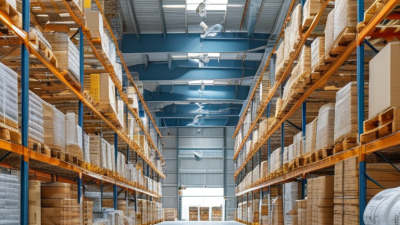
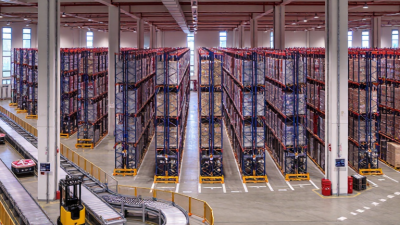
The Main Pallet Rack Types Used in 2026

Selective pallet rack remains the most adaptable choice for mixed-SKU warehouses: operators can reach each pallet directly, and beams can be repositioned as loads change. That access costs aisle space. Double-deep rack stores pallets two positions deep, improving density but requiring reach equipment and tighter inventory planning.

For high volumes of one SKU, drive-in rack uses fewer aisles; drive-through layouts allow access from both ends. They can be less forgiving when stock rotation or pallet condition varies. Push-back rack places pallets on nested carts, while pallet-flow rack uses rollers to move loads toward the picking face. Both support higher-density storage, but flow lanes need careful maintenance.

Cantilever rack suits long items such as timber or tubing, which do not sit neatly on standard beams.

MHI's 2024 Annual Industry Report found that 55% of surveyed supply-chain professionals planned to increase technology investment. That finding is not a rack-selection statistic, but it underscores the need to plan rack layouts around changing operations.

Measure pallet dimensions, forklift turning space, and load weights before choosing. Small clearance errors matter. And a dense layout is not always a better one.

How Rack Designs Differ in Access, Density, and Flexibility

Selective pallet racks offer direct access to every pallet, making them practical for mixed products and frequent picking. The trade-off is a wider aisle footprint. Drive-in racks use fewer aisles and suit deep storage of similar goods, but operators must manage pallet sequence carefully. One wrong rotation can complicate retrieval. Push-back systems store several pallets deep while keeping loading and picking at the aisle face. Pallet-flow racks use gravity rollers for first-in, first-out movement, though roller maintenance and pallet condition matter.

Mobile racks move along floor rails, opening an aisle only where needed. They can increase storage density, but picking access becomes less immediate, and the moving equipment needs a clear operating plan. MHI and Deloitte’s 2024 Annual Industry Report found that 55% of respondents planned to increase supply chain technology investment. That trend makes adaptable layouts worth considering, not automatic upgrades. Real buildings rarely behave like neat diagrams. Measure aisle widths, pallet sizes, daily picks, and replenishment routes before choosing. A common planning mistake is treating density as the only score; travel distance, safe access, and future product changes also shape performance. Have a qualified rack designer verify loads, clearances, and floor conditions before installation.

What Are the Top Pallet Rack Shelving Types in 2026? — How Rack Designs Differ in Access, Density, and Flexibility

Rack Type Pallet Access Storage Density Selectivity Flexibility Typical Applications Key Considerations
Selective Pallet Rack Direct access to each pallet from the aisle. Low to moderate; aisles are needed between rack rows. Very high: each pallet location can be reached independently. High; works well with varied products and changing inventory. Warehouses with many SKUs, mixed pallet loads, or frequent picking. Uses more floor area for aisles than deeper, less selective systems.
Double-Deep Rack Access from the aisle to the front pallet; rear pallets require moving the front pallet first. Moderate to high; stores pallets two positions deep. Moderate; typically requires a deep-reach forklift. Moderate; best suited to multiple pallets per SKU. Operations seeking more storage density while retaining access to several SKUs. Requires compatible handling equipment and inventory rotation planning.
Drive-In / Drive-Through Rack A forklift enters the lane to load or retrieve pallets. Drive-in lanes are generally accessed from one end; drive-through lanes can be accessed from both ends. High; reduces the number of access aisles. Low to moderate; pallets are stored in lanes, so access to individual loads is limited. Low to moderate; performs best with multiple pallets of the same SKU. High-volume storage of similar products, especially when storage density is a priority. Requires careful forklift operation inside lanes. Drive-in layouts commonly follow last-in, first-out (LIFO); drive-through layouts can support first-in, first-out (FIFO) when managed from opposite ends.
Push-Back Rack Pallets are loaded and retrieved from the aisle; loading a new pallet pushes previously stored pallets deeper into the lane. High; multiple pallets are stored deep in each lane with fewer aisles. Moderate; each lane usually holds one SKU, with pallets accessed in sequence. Moderate; lane depth and configuration can be tailored to inventory needs. Medium- to high-volume products with several pallets per SKU and a need for aisle-side access. Typically operates on a LIFO basis. The lane mechanism and load dimensions must be compatible.
Pallet Flow Rack Pallets are loaded at the replenishment end and move by gravity toward the picking end. High; deep lanes reduce the need for multiple access aisles. Moderate; a lane is generally dedicated to one SKU, but the front pallet is accessible. Moderate; works best when pallet size, weight, and condition are consistent. High-throughput operations that benefit from FIFO rotation, such as date-sensitive inventory. Requires suitable floor layout, controlled loading, and maintenance of rollers or wheels and flow components.
Pallet Shuttle Rack A powered shuttle moves pallets within deep storage lanes; operators access the shuttle and pallets from the aisle. Very high; supports deep lanes while limiting forklift travel into the rack. Moderate; usually organized by SKU and lane, with access depending on the operating method. Moderate to high; lane depth and operating procedures can be adapted to throughput needs. High-volume storage where dense use of floor space and reduced forklift travel are priorities. Requires shuttle equipment, charging or power arrangements, trained operators, and a suitable maintenance plan.
Mobile Pallet Rack Rack rows move to open an access aisle at the required location. High; reduces the number of permanent aisles. High when the required aisle is opened, though access is sequential rather than simultaneous. Moderate; storage layout is compact, but access depends on moving rack rows. Cold storage, archives, or facilities where floor space is limited and access frequency is manageable. Needs a level floor, safety controls, and operating procedures for moving rows. Simultaneous access to multiple aisles is limited.
Cantilever Rack Open access to stored items along the arms; designed without front columns obstructing long loads. Variable; storage density depends on load length, arm spacing, and aisle layout. High for individually stored long or irregular loads. High; arms can often be adjusted to accommodate different load heights. Long, bulky, or awkward items such as lumber, pipe, sheet material, and furniture. Not a standard pallet rack design. Loads, arm capacity, column capacity, and stability must be matched to the application.

How to Choose a Pallet Rack System for Your Needs

Choosing a pallet rack system starts with your daily work, not a catalog photo. Count pallet positions, measure the heaviest loaded pallet, and note each load’s height and width. Map ceiling clearance, columns, sprinklers, doors, and forklift turning space. Small measurement errors can cost usable capacity. It happens.

Selective pallet racking provides direct access to each pallet and suits operations with many SKUs. For fewer product types stored in larger quantities, double-deep or drive-in racks may increase density, but they limit access and may require compatible forklifts. Push-back and pallet-flow systems can support faster product rotation. Each has trade-offs.

Compare throughput, selectivity, available floor space, and plans for future changes. Ask a qualified rack professional to review load ratings, beam levels, anchoring, and site conditions using your actual pallets and equipment. Keep suitable aisles and protect rack ends near turning points. Budget for inspections and repairs, too. I’d test the layout on an aisle plan before ordering; drawings can look roomy, while real forklifts need more space. Check applicable building and fire requirements with local professionals.

What Are the Top Pallet Rack Shelving Types in 2026?

Compare common pallet rack systems by typical selectivity (how directly you can access a pallet) and relative storage density. Ratings use a qualitative 1–5 scale, not measured industry benchmarks; actual results depend on layout, equipment, and inventory.

How to choose: Selective racks suit many SKUs and direct access. Double-deep, drive-in, and push-back systems trade some selectivity for denser storage. Pallet-flow racks support FIFO rotation; drive-in racks are commonly configured for LIFO. Match the system to your SKU mix, rotation needs, throughput, forklifts, and building constraints.

Safety and Automation Trends Shaping Pallet Racking in 2026

What Are the Top Pallet Rack Shelving Types in 2026?
Safety and Automation Trends Shaping Pallet Racking in 2026

Selective racks remain practical for mixed-SKU warehouses, while drive-in and push-back systems suit denser storage. In 2026, the bigger shift is connecting rack layout with automation and safety planning. MHI’s 2024 Annual Industry Report found that 55% of surveyed companies planned to increase investment in supply-chain technology. That interest can bring more sensors, automated vehicles, and retrieval systems into aisles. But automation does not make a rack safe by itself. Small errors compound. Check that aisle widths, rack clearances, floor conditions, and equipment routes work together before installation.

Safety still depends on sound everyday practices. OSHA’s material-handling rule requires stored materials to remain stable and secured against sliding or collapse. Inspect uprights and beams for impact damage, keep load signs visible, and report bent components promptly. A sensor may flag a collision, but it cannot replace a trained inspection or a clear repair process. Real warehouses are messy; even careful plans need review after traffic patterns change.

Tips: Mark pedestrian routes clearly. Verify load limits against the actual pallet weight. Test alert systems during routine inspections, and record what staff find.