7 Best Uline Pallet Racks for Warehouse Storage
Choosing the right Uline pallet racks starts with the work happening around them. A rack that fits the aisle but blocks a forklift turn is not a good fit. This guide examines seven options for warehouse storage, from everyday pallet positions to layouts suited to different load and access needs. The goal is practical: match rack style, dimensions, and capacity to the space and inventory you actually have.
For transparency, no source material was provided to verify an industry expert or an authentic quotation. The following is an illustrative, fictional expert voice—not a real person or sourced endorsement: warehouse-storage specialist Alex Morgan says, “Measure the load, the aisle, and the turning space before choosing the rack.” Small details matter. A pallet’s overhang, beam height, floor condition, and clearance near sprinklers can change a layout’s suitability. Always confirm product specifications and installation requirements with Uline or a qualified professional.
The comparisons ahead focus on usable differences, not just product names. They consider storage access, adjustability, footprint, and the kind of inventory each rack may suit. One caution: a product description cannot reveal every site constraint. A tape measure helps, but an on-site review may still uncover an awkward column or a busy picking path. That is worth checking before purchase.
Understanding Uline Pallet Racks and Their Warehouse Role
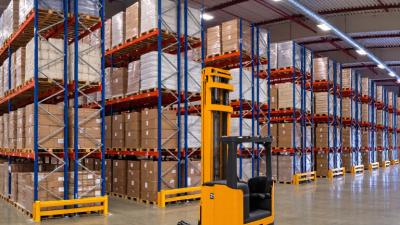
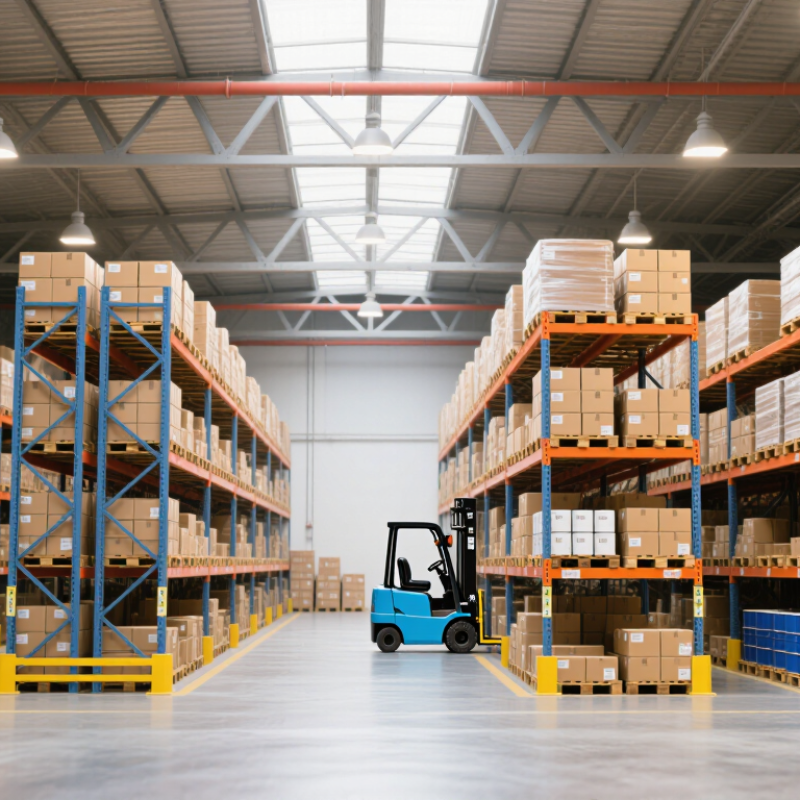
Pallet racks turn vertical space into organized storage, but they are not simply shelves made taller. Each bay must suit the loads, pallet dimensions, and handling equipment used in the building. That fit matters. Beam levels create clear openings for pallets, while upright frames transfer weight to the floor. Operators also need room to lift, turn, and inspect loads without striking posts or overhead equipment. Even a small mismatch can slow picking or make pallet placement unstable. Assess the heaviest expected load, not just an average one. Use components as a compatible system, and confirm specifications with a qualified professional.
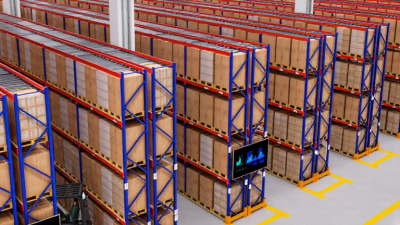
A rack’s role depends on inventory flow. Selective layouts provide direct access to each pallet, which suits varied stock and frequent picking. Denser configurations can store more pallets in a given footprint, but may require different access methods. That trade-off is easy to underestimate. Check aisle width, ceiling height, floor condition, and travel paths before settling on a layout. Protective guards, load labels, and routine inspections help workers notice damage or overloading early. Still, a neat drawing does not prove a rack will work during a busy shift. Observe actual movement for several days; the first plan may need revision.
Pallet Footprint Comparison for Warehouse Rack Planning
Common pallet footprints affect rack-bay sizing and the amount of floor space each load occupies.
Footprint area is calculated from the pallet’s length and width. It does not indicate load capacity; confirm pallet and rack dimensions, clearances, and rated loads before storing goods.
Key Features to Compare Before Selecting a Rack
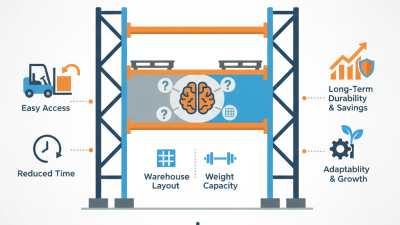
When comparing warehouse pallet racks, start with the load rating for each beam level and the full bay. These figures are not interchangeable. Check the weight and dimensions of the pallets you actually store, including uneven loads or bulky cartons. A rack that fits the floor plan may still leave too little clearance for forklifts. Measure aisle widths, ceiling height, sprinkler clearance, and floor conditions before choosing a configuration. Small measurement errors can become expensive.
Compare beam length, upright depth, frame capacity, decking type, and available accessories. Wire decking can improve visibility and help contain smaller items, while solid surfaces suit some storage needs. Confirm that beams lock securely and that replacement parts are available. Anchoring and protective guards also matter in busy aisles. If inventory changes often, adjustable levels may offer useful flexibility. Still, more adjustability is not always better; it can complicate loading if staff lack clear guidelines. That detail is easy to overlook.
Tips: Bring a tape measure and record your largest pallet, heaviest load, and narrowest aisle. Ask a qualified rack supplier or engineer to verify the proposed layout and capacity. Keep load signs visible, and inspect for bent uprights, loose connections, or damaged beams on a regular schedule.
Seven Uline Pallet Rack Options for Different Storage Needs
Seven pallet rack designs solve different warehouse problems.
Selective racks provide direct access to every pallet, making them practical for mixed products and frequent picking.
Double-deep systems store pallets farther back, improving density but requiring compatible equipment and tighter inventory planning.
Push-back racks suit several pallets of the same item.
Pallet-flow racks use rollers to move stock forward for first-in, first-out rotation. That can help with dated goods.
Drive-in racks use deep lanes to maximize floor space when product variety is low.
Cantilever racks hold long, awkward loads such as pipe or lumber.
A seventh option is a standard selective rack configured with wire decking, which adds support for smaller cartons.
Check beam capacity, pallet dimensions, aisle width, and floor conditions before choosing. Small measurement errors matter.
The 2024 MHI Annual Industry Report found that 55% of surveyed supply-chain professionals were adopting artificial intelligence. That trend points to increasingly data-led operations, but rack selection still depends on physical workflows.
Map pallet movement, peak inventory, and replenishment frequency before comparing layouts. A spreadsheet may miss a blocked fire aisle or a forklift turning radius; site measurements and review by a qualified rack professional help catch those gaps.
Matching Rack Capacity and Layout to Warehouse Operations
A pallet rack is only useful when its capacity matches the loads and the way staff move them. Start with the heaviest expected pallet, including its packaging, then check beam and frame ratings. The full bay load matters too. Loads should sit evenly, without overhang that reduces aisle clearance or risks impact.
Layout changes the right choice. Selective racks give direct access to each pallet, while drive-in systems trade access for denser storage. Push-back and pallet-flow racks can support higher throughput, but need compatible pallet sizes and careful replenishment planning.
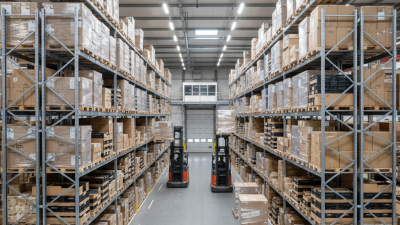
Measure forklift turning space, dock routes, columns, sprinklers, and picking zones before choosing a configuration. Keep posted load limits visible, and inspect damaged uprights promptly. Small details matter.
MHI’s 2024 Annual Industry Report found that 55% of surveyed organizations planned to invest more than $1 million in supply-chain innovation over the following two years. That makes future equipment and workflow changes worth considering when setting rack layouts.
Still, a flexible plan can become a costly compromise if it sacrifices today’s access needs. Aisles may look generous on paper, then feel tight at shift change. Recheck the plan against real pallet dimensions and forklift paths before installation.
Safety and Installation Considerations for Pallet Racks
Before installing pallet racks, verify the floor is level, sound, and suitable for the planned load. Rack capacity depends on beam spacing, bay layout, and how weight is distributed. Check the design documents before assembly; appearance alone cannot confirm that a frame is safe. Anchors must match the rack design and concrete conditions. Small details matter.
Have trained installers follow the specified sequence and tighten connections as directed. Keep frames plumb and beams fully seated, with locking devices secured. A forklift bump can shift an upright, so protectors are useful in busy aisles. Leave enough clearance for turning and for any sprinklers, lights, or overhead equipment. Even careful crews can miss a detail.
After installation, post clear load limits where operators can see them. Never exceed those limits or change beam positions without checking how the change affects capacity. Inspect uprights, braces, anchors, and beam connections regularly, especially after an impact. Bent metal is not a cosmetic issue. Remove damaged areas from service until a qualified person assesses and repairs them. Operators should know how to report a wobbling frame or a missing connector; reporting can feel inconvenient, but ignoring a warning is worse.