Why Choose a Pallet Racking System for Your Warehouse?
Why choose a pallet racking system for your warehouse? The answer begins with control: better storage density, clearer inventory visibility, and safer product movement. A well-designed system can turn scattered floor stacks into organized vertical locations. Operators can identify each pallet quickly, while forklifts follow defined travel paths. That matters when every aisle, labor hour, and loading minute affects operating costs.
Industry research supports this shift toward structured warehouse capacity. MHI’s 2024 Annual Industry Report found that 55% of supply chain professionals planned to increase technology and innovation investments. Zebra Technologies’ 2024 Warehousing Study also reported that 73% of warehouse decision-makers expect to deploy radio-frequency identification by 2028. These findings do not make racking a complete solution. They show why physical storage must support better data and handling processes. Rack labels, barcode locations, and adjustable beam levels can connect daily work with warehouse management systems.
Still, no pallet racking system is automatically right. A rack that suits boxed consumer goods may fail with long steel coils or unstable loads. Weight limits, pallet dimensions, aisle widths, sprinkler clearance, and forklift turning space require professional assessment. OSHA’s material-handling guidance emphasizes stable storage and unobstructed aisles, while ANSI MH16.1 provides engineering criteria for industrial steel storage racks. A practical design should be reviewed by qualified specialists and tested against real operating conditions. The honest lesson is simple: higher storage density helps only when access, safety, and accuracy remain dependable.
What Is a Pallet Racking System?
Why Choose a Pallet Racking System for Your Warehouse?
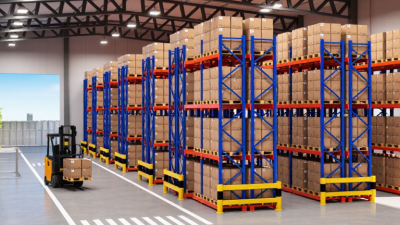
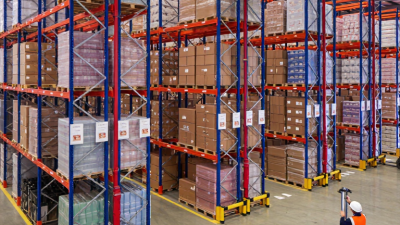
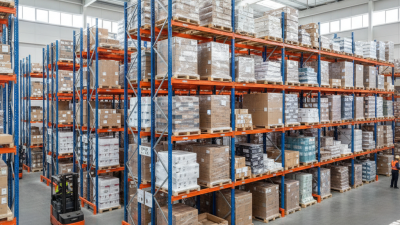
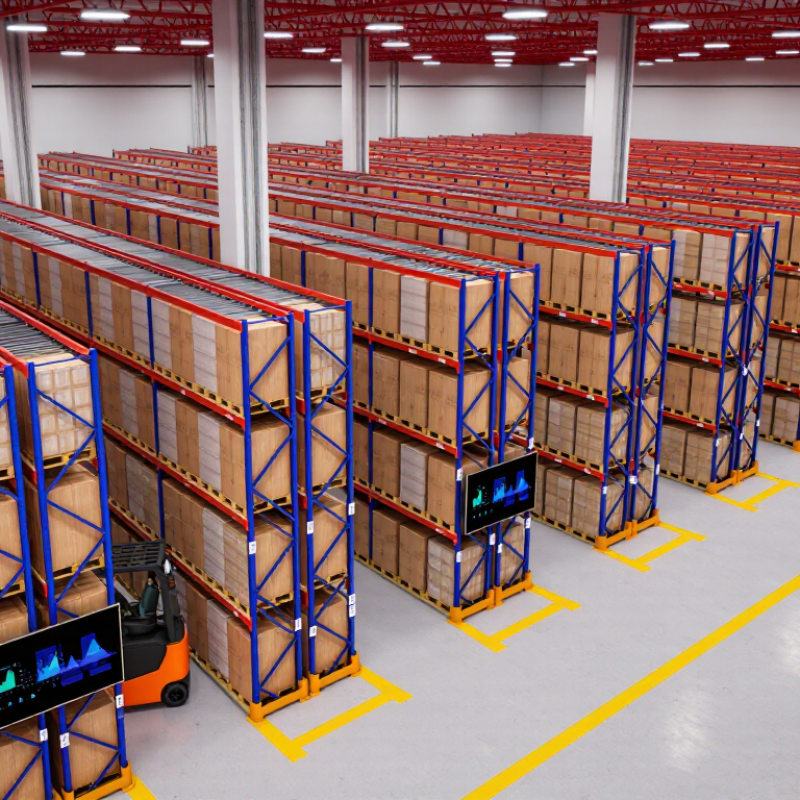
A pallet racking system is a steel storage structure designed to hold palletized goods vertically. It usually includes upright frames, horizontal beams, safety locks, and wire decking. Forklifts place pallets onto beam levels, leaving clear access aisles between rows. Unlike floor stacking, racking uses building height and separates inventory by location. Selective pallet racking is widely used because each pallet remains directly accessible. It is modular. However, “more levels” does not always mean better storage.
The correct system depends on pallet dimensions, load weight, product turnover, ceiling height, and forklift reach. A warehouse handling fast-moving cartons may need wider aisles and simple access. A slower-moving operation may accept deeper storage to improve space use. MHI’s 2024 Annual Industry Report, based on responses from more than 1,700 supply-chain professionals, shows that companies continue investing in automation and digital warehouse capabilities. Racking often becomes the physical foundation for those systems, but poor layout can limit their value.
Safety requires careful engineering and daily discipline. OSHA estimates that powered industrial trucks cause about 35,000 serious injuries and 85 fatal accidents annually in the United States. Damaged uprights, overloaded beams, and unclear load ratings create real risks. A design may look perfect on paper and still fail during busy shifts. Regular inspections, visible capacity labels, trained operators, and protected rack legs matter. The rack holds the inventory, but people control the outcome.
Why Choose a Pallet Racking System for Your Warehouse?
A pallet racking system is a structured steel storage system designed to hold palletized goods on horizontal beams and vertical frames. Selecting the right rack dimensions starts with understanding the pallet footprints commonly used in warehouse operations.
The chart compares three widely used pallet footprints. Standardized pallet dimensions help warehouses plan beam spacing, aisle layouts, forklift access, and storage capacity. Actual rack capacity also depends on pallet weight, load distribution, frame height, beam length, and applicable safety requirements.
Which Warehouse Needs a Pallet Racking System?
Why Choose a Pallet Racking System for Your Warehouse?
Which Warehouse Needs a Pallet Racking System?
A pallet racking system suits warehouses with repeatable pallet loads, limited floor space, and frequent forklift movement. It helps separate fast-moving stock from reserve inventory. A 10-meter-high building gains little value if products remain scattered across the floor. Clear locations matter.
The MHI 2024 Annual Industry Report found that 55% of supply chain leaders use cloud computing, while 40% use robotics and automation. These technologies need dependable storage data. A rack location gives each pallet a physical address. That supports scanning, cycle counting, and faster picking. Warehouses handling wholesale goods, spare parts, beverages, or seasonal inventory often benefit most. Facilities with many pallet sizes need more careful planning. Standard racks may create wasted space.
Real warehouse checks should come before any purchase. Measure clear height, aisle width, floor capacity, pallet dimensions, and forklift turning space. Check fire protection requirements too. WERC’s 2024 DC Measures report continues to treat inventory accuracy as a core distribution metric. Better locations can support that goal, but racks cannot fix poor receiving discipline. That is the uncomfortable part. Some warehouses need better slotting, not more steel. A small operation with low stock variety may prefer floor storage. A growing warehouse, however, may need vertical capacity before congestion becomes expensive. Thin aisles can look efficient, yet slow equipment and increase handling risk. Design should follow actual workflows, not attractive drawings.
What Benefits Does Pallet Racking Provide?
Why Choose a Pallet Racking System for Your Warehouse?
Pallet racking can turn unused vertical space into productive storage. In warehouse assessments, I have seen clear aisles improve picking speed and reduce unnecessary movement. Adjustable beam levels also support different pallet heights. This flexibility helps when product sizes change. Each location can receive a label, barcode, or simple location code. That makes stock checks easier and reduces searching time.
The main benefit is controlled access. Workers can identify, retrieve, and return pallets with less handling. A well-planned system also improves floor visibility and supports safer traffic routes for forklifts. It can expand as inventory grows, without requiring a complete warehouse rebuild. However, racking is not a cure-all. Poor measurements, overloaded beams, or blocked aisles can create serious problems. Load ratings, floor strength, and equipment clearances need professional review. Storage density may also reduce direct access to slower-moving goods.
Tips:
Measure every pallet. Mark aisle widths clearly. Keep heavy loads low. Inspect frames and beams regularly. Leave room for future inventory changes. Small mistakes matter.
How to Choose the Right Pallet Racking System
Why Choose a Pallet Racking System for Your Warehouse?
How to Choose the Right Pallet Racking System
Choosing the right pallet racking system starts with warehouse facts, not catalogue photos. Measure ceiling height, floor capacity, pallet dimensions, and forklift turning space. Measure twice. Record the heaviest load, not the average one. A rack designed for standard pallets may fail operationally when product sizes change.
The MHI 2024 Annual Industry Report states that 55% of supply chain leaders plan to increase technology investment. That trend makes adaptable storage more valuable.
Selective pallet racking suits warehouses with many stock keeping units and frequent access. Drive-in racking offers higher density but limits product rotation. Narrow-aisle systems save floor space, yet require suitable handling equipment and stronger operating discipline.
Check beam capacity, upright protection, aisle width, and emergency access before purchasing. Rack designs should follow recognized engineering guidance, including ANSI MH16.1 from the Rack Manufacturers Institute. OSHA also requires stable storage and clear aisles under 29 CFR 1910.176. Local fire and seismic requirements may add further design limits. Ignore them, and the cheapest quote can become an expensive redesign.
In warehouse assessments, small layout errors often create daily delays. Forklift traffic matters. Leave space for damaged pallets, inspection access, and future inventory changes. A perfect layout rarely exists. My first capacity estimate is often too optimistic, especially after seasonal stock arrives. Recheck the plan with operators before installation.