What Are the Best Racking and Shelving Types in 2026?

In 2026, the best racking and shelving system is not automatically the tallest, densest, or newest option. It is the one that fits your inventory, equipment, building, and daily picking routine. A pallet warehouse handling full loads may benefit from selective pallet racking, while small parts often suit adjustable shelving or carton-flow systems. Long, bulky materials may need cantilever racks. Different jobs, different answers.

Space is expensive. So is wasted movement. A practical comparison should consider load sizes, access frequency, aisle widths, ceiling height, floor condition, and future changes in stock. Drive-in racking can increase storage density, but it reduces direct access to individual pallets. Mobile shelving can reclaim aisle space, yet it may slow access when several users need different sections. These trade-offs matter more than a glossy product photo.

This guide looks at common racking and shelving types and explains where each tends to work well. It also highlights limitations, because no layout is perfect. A system that looks efficient on a drawing may feel awkward beside a busy packing bench. That is worth checking before purchase. Compare supplier specifications with actual load requirements, and have a qualified professional assess the proposed installation and site conditions. Product details and operating needs vary, so treat general recommendations as a starting point—not a final design. A little doubt helps. It can prompt better measurements, clearer questions, and fewer costly surprises.
What Are the Best Racking and Shelving Types in 2026?

Classify Selective, Double-Deep, Drive-In, Push-Back, and Cantilever Racks

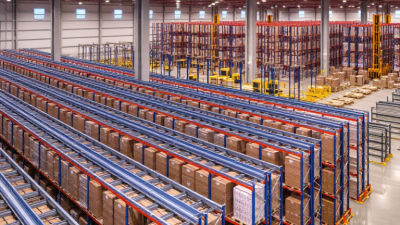
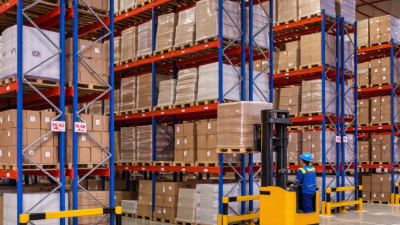
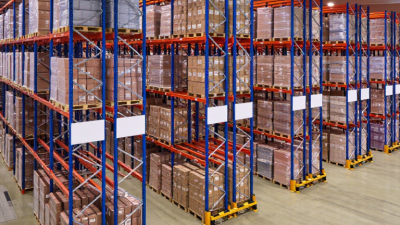
Selective pallet racking gives each pallet a direct aisle-facing position. It suits mixed SKUs and frequent picking, but uses more floor space for aisles. Double-deep racks store pallets two positions deep. They increase density, though operators need reach trucks and access to rear pallets is slower. Drive-in racks remove many aisles: forklifts enter lanes to load and retrieve pallets. This works best with few SKUs and deeper inventory, not fast-moving mixed orders. Push-back racks use nested carts, usually loading and picking from one aisle; each lane favors last-in, first-out flow. Cantilever racks use open arms for long or irregular loads, such as timber or pipe. Measure the longest load, not just the average one.

MHI’s 2024 Annual Industry Report says 55% of respondents planned to spend more than $1 million on supply-chain technology over the following two years. That signals investment, not proof that denser storage always performs better. Check SKU count, pallet depth, forklift turning space, and picking rate against actual operating data. A small trial can expose awkward turns before a full installation. I would still question any layout that looks efficient only on paper.

Tips: Mark aisle widths on the floor and test a loaded truck through each turn. Confirm load ratings and floor capacity with qualified professionals. Then review the pick path. Small bottlenecks matter.

Compare Each System’s Pallet Access, SKU Selectivity, and Storage Density

In 2026, the right rack is the one that balances pallet access with the number of active SKUs. Selective pallet rack gives forklifts direct access to every pallet position, making it practical for broad SKU ranges and frequent picking. The trade-off is wider aisles and lower storage density than compact systems. MHI’s 2024 Annual Industry Report, produced with Deloitte, found 55% of respondents planned to increase supply-chain technology investment over the following two years. That interest may support automation, but it does not make every dense layout a good fit.

Double-deep rack stores pallets two positions deep, reducing aisle demand while limiting immediate access to rear pallets. Drive-in rack goes further: forklifts enter the structure, so it suits fewer SKUs with larger pallet quantities, not a wall of one-pallet items. Pallet-flow rack supports first-in, first-out movement and keeps each lane accessible at its front. Access is not equal. Carton shelving offers high SKU selectivity for hand-picked cases, but it cannot match pallet rack for bulk pallet storage.

The real comparison is pick behavior, not a density claim on a layout drawing. Count active SKUs, pallets per SKU, and replenishment frequency; then test turning space with the actual lift truck. A dense rack can look efficient on paper. That assumption can be wrong. Rack Manufacturers Institute guidance on rack planning also emphasizes matching rack design and operation to the load and equipment. Measure aisle clearance and pallet overhang before committing; small errors can reduce usable access.

What Are the Best Racking and Shelving Types in 2026? — Compare Each System’s Pallet Access, SKU Selectivity, and Storage Density

System Pallet Access SKU Selectivity Storage Density Best Suited For Key Trade-Off
Selective pallet racking Direct access to each pallet from the aisle. Very high Low to medium Warehouses with many SKUs, frequent picking, or varied stock rotation. Requires an aisle for each rack row, so it uses more floor space than deep-lane systems.
Narrow-aisle selective racking Direct access to each pallet; aisles are narrower than in conventional layouts. Very high Medium to high Facilities seeking selective access while increasing use of available floor space. Typically requires compatible narrow-aisle trucks and careful aisle and floor planning.
Double-deep racking Direct access to front pallets; rear pallets are accessed after the front position is cleared. Medium Medium to high Operations holding several pallets per SKU with moderate product variety. Rear pallet access is less immediate and usually requires a double-deep reach truck.
Drive-in racking Forklift enters the storage lane; access to pallets within a lane is sequential. Low to medium High Large quantities of a limited range of products, commonly managed on a last-in, first-out basis. Fewer aisles improve density, but individual pallet access and selectivity are reduced.
Push-back racking Loads are accessed from the aisle; adding a pallet pushes earlier pallets farther back along the lane. Medium High Multiple pallets per SKU where compact storage and faster access than drive-in lanes are useful. Each lane generally holds one SKU, and pallets are retrieved in last-in, first-out order.
Pallet-flow racking Loading and picking occur at opposite ends; pallets move along inclined roller lanes. Medium High High-throughput goods with multiple pallets per SKU and first-in, first-out rotation needs. Each lane is usually dedicated to one SKU, and the system needs suitable pallets and flow-lane maintenance.
Mobile pallet racking Direct access is available at the aisle opened by moving the rack bases. High High Facilities that need selective pallet access but have limited floor space or high space costs. Only one or a few aisles may be open at a time, which can affect simultaneous picking and throughput.
Wide-span shelving Direct hand access to stored cartons, bins, or light-to-medium loads. Very high Low to medium Small-item picking, parts storage, and inventory that does not require pallet-level handling. Not intended for standard pallet storage; load capacity depends on the shelving design.

Note: Density and selectivity are relative comparisons. Actual capacity and aisle requirements depend on building dimensions, pallet size, equipment, load limits, fire protection, and operating procedures.

Check Rack Design Against ANSI MH16.1 and OSHA 1910.176(b)

The best system depends on the load and how people retrieve it. Selective pallet racks provide direct access to each pallet; drive-in racks store more pallets in less space but require careful loading. Long-span shelving suits hand-picked cartons. Each layout changes beam loads, aisle clearance, and impact exposure. ANSI MH16.1 sets engineering requirements for industrial steel storage racks, including design loads and structural components. Have a qualified rack designer check drawings against the actual inventory and site conditions.

OSHA 1910.176(b) requires tiered materials to be stacked, blocked, and interlocked, with height limited to prevent sliding or collapse. That rule applies to stored goods, not just the rack frame. The Bureau of Labor Statistics’ 2023 Survey of Occupational Injuries and Illnesses reported 4.8 recordable cases per 100 full-time workers in warehousing and storage. The figure is not proof that racks caused those injuries. Still, it supports taking aisle and storage hazards seriously.

Check upright anchors, beam locks, floor condition, and posted load limits during inspections. A dent beside a beam connection deserves attention, even when the rack still looks straight. Small details matter. Compare each bay’s intended load with the rack’s design documents, and confirm the applicable edition of ANSI MH16.1 with the engineer. This check is easy to rush. I would not assume an old layout remains safe after pallet weights or handling equipment change.

Verify NFPA 13 Sprinkler Clearance: Typically 18 Inches Below Deflectors

In 2026, choosing pallet racks, cantilever racks, or shelving is not only a question of capacity. The storage layout must also preserve the required space beneath sprinkler deflectors. NFPA 13 commonly uses an 18-inch clearance between the deflectors and the top of stored goods. Treat this as a baseline to verify, not a universal answer: sprinkler design, storage height, commodity, and the adopted code edition can change requirements.

Measure from the sprinkler deflector, not the ceiling or rack beam. A carton added to the top shelf can quietly reduce clearance; so can a leaning load or a raised pallet. Keep the measurement visible in site checks. Small details matter. Record the rack’s maximum load height, mark a practical limit on uprights, and recheck after layout changes. A tape measure is simple, but the person measuring must know which sprinkler head serves that aisle.

Before installation, compare rack drawings and proposed storage heights with the sprinkler plans. Ask a qualified fire-protection professional or local authority to confirm the applicable clearance and any design-specific conditions. Do not assume every bay has the same limit; pipes, sloped ceilings, and different sprinkler arrangements may affect the result. A neat drawing can still miss a real-world obstruction. That is worth checking twice.

Match Rack Type to Inventory, Forklifts, Building Layout, and 2026 Safety Needs

What Are the Best Racking and Shelving Types in 2026?

The best storage system depends on what moves through your warehouse, not just how much floor space you have. Selective pallet rack suits mixed inventory and frequent access. Drive-in or push-back systems can store more similar pallets in less space, but require compatible loads and careful forklift operation. For cartons, bins, or hand-picked items, shelving may be safer and faster than adding another pallet-rack level. Measure pallet dimensions, load weights, aisle widths, and turning paths before comparing layouts. A forklift that cannot turn cleanly makes a dense plan a daily bottleneck.

Building details matter. Check floor condition, column spacing, clear height, sprinkler coverage, and possible obstructions before installation. The U.S. Occupational Safety and Health Administration estimates forklifts are involved in about 85 fatal accidents and 34,900 serious injuries annually. That is a strong reason to protect rack ends, post clear load limits, train operators, and inspect for bent uprights or loose anchors. Follow applicable local requirements and have structural questions reviewed by a qualified professional.

Tips: Match rack depth to your actual pallet load, not its catalogue dimensions. Mark pedestrian routes and forklift aisles on the floor, then test turns with the equipment you use. Real warehouses rarely fit a perfect diagram; revisit the plan after a few weeks of operation. A small mismatch can persist for months.

Racking Selectivity: How Many Pallet Positions Are Directly Accessible?

Selectivity is the share of stored pallet positions that can generally be accessed directly without moving another pallet. These approximate planning values are illustrative, not guaranteed specifications: actual results depend on the layout, lane depth, pallet dimensions, and operating method. Match the system to inventory turnover and forklift capability, and verify load ratings, clearances, protection, and applicable 2026 local safety requirements before installation.