2026 Best Commercial Racking Systems for Global Buyers

Global warehouses are changing quickly, and storage decisions now affect cost, safety, speed, and resilience. This is where commercial racking becomes a strategic investment, not merely a steel structure.

Grand View Research identifies warehouse expansion, e-commerce growth, and inventory complexity as major drivers of the global racking market. The MHI Annual Industry Report also highlights rising investment in automation, real-time visibility, and flexible material-handling systems. These findings matter to international buyers. A pallet rack selected for a high-volume food warehouse may fail in a humid coastal facility. A narrow-aisle solution may increase capacity, but it can also demand better forklifts, floor accuracy, and operator training.

Small details matter.

John J. Bartholdi III, co-author of Warehouse & Distribution Science, states, “The goal of warehousing is to provide the right product at the right place at the right time.” His principle remains practical when comparing selective pallet racking, drive-in systems, cantilever racks, and automated storage solutions. Capacity alone is not enough. Load dimensions, turnover rates, seismic exposure, aisle widths, fire protection, and future expansion must be reviewed together.

This guide examines the 2026 best commercial racking systems for global buyers. It considers published market research, engineering practice, supplier capability, and lifecycle value. Still, no ranking system is perfect. Prices change. Site conditions vary. Some “smart” systems may create unnecessary complexity. The strongest decision is often the least impressive-looking one: safe, adaptable, serviceable, and properly matched to daily operations.
2026 Best Commercial Racking Systems for Global Buyers

Commercial Racking Systems: Types, Uses, and Core Components

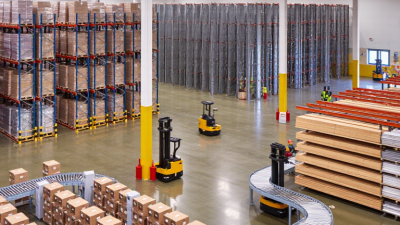
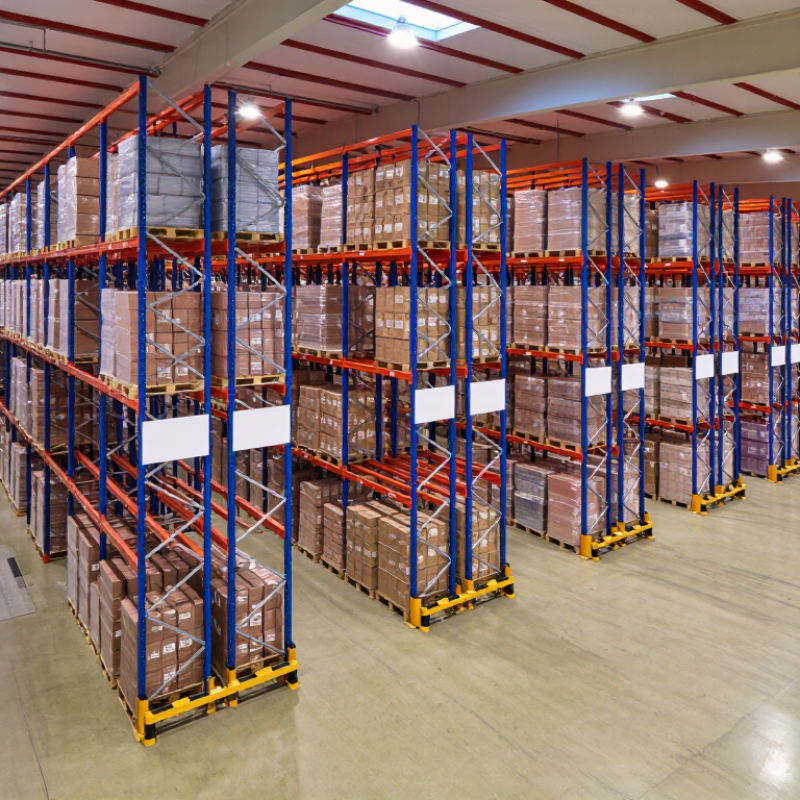
Commercial racking systems organize inventory by load, access frequency, and available height.

Selective pallet racking suits mixed stock and frequent picking. Drive-in racking stores fewer product lines with deeper quantities.

Cantilever racking supports long goods, such as steel tubes, timber, and carpet rolls. Mobile systems can increase storage density, but they need careful floor assessment and maintenance planning.

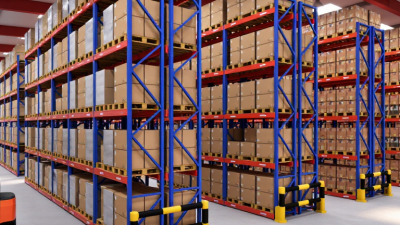
Core components include uprights, beams, braces, decking, guards, anchors, and load labels. Beam capacity must match pallet weight and span length. A damaged upright is not a cosmetic issue. It can weaken the entire bay.

The U.S. Occupational Safety and Health Administration highlights falling objects, vehicle impact, and unstable loads as major warehouse hazards. These risks make inspections and operator training essential.

The MHI 2024 Annual Industry Report found that 83% of surveyed supply-chain professionals were increasing technology and innovation investment. This supports smarter racking decisions, including barcode tracking, sensors, and automated storage interfaces.

CBRE’s 2024 logistics research also identifies operational efficiency and space availability as continuing occupier priorities. However, automation is not always the best answer.

A low-volume warehouse may gain more from adjustable beams and clearer aisle markings. I have seen layouts look efficient on paper, yet fail when forklifts need wider turning space. Measure the real workflow. Then question the design.

How to Match Racking Designs with Warehouse Storage Needs

2026 Best Commercial Racking Systems for Global Buyers

How to Match Racking Designs with Warehouse Storage Needs

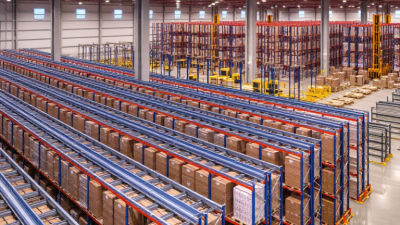
A racking system should follow inventory behavior, not showroom appearance. Start with SKU count, pallet weight, turnover rate, and required access. Selective pallet racking suits warehouses with many SKUs and frequent pallet retrieval. Drive-in racking saves floor space for uniform products, but reduces direct access. Carton flow racking supports fast-moving small items, especially near packing stations.

Measure the operation in detail. A 1,200-kilogram pallet needs more than a nominal beam rating. Consider load distribution, upright height, floor strength, aisle width, and forklift turning radius. In cold storage, gloves and reduced visibility may require wider aisles. Seismic regions also need stronger anchoring and engineering review.

The 2024 MHI Annual Industry Report found that 55% of surveyed supply-chain professionals planned to increase technology investment. It also reported that 83% viewed digital transformation as important. This supports combining racking with barcode scanning, warehouse software, and location-level inventory data. Yet automation is not always the answer. Poorly measured locations can make an automated system faster at repeating mistakes.

Leave room for change. That is often overlooked. Product dimensions shift, seasonal stock rises, and forklifts get replaced. A practical design may reserve adjustable beam levels and spare floor positions. Global buyers should verify local fire, seismic, and occupational safety requirements before ordering. Data guides the design, but warehouse experience catches the awkward details.

Key Factors for Comparing Capacity, Safety, and Operating Costs

For global buyers, rack capacity should be compared at the bay level, not by beam length alone. Record pallet weight, load height, beam deflection, and the number of levels. A 2,000-kilogram pallet changes the design quickly. The 2024 MHI Annual Industry Report found that 85% of supply-chain professionals expect to increase technology adoption within five years. That trend makes accurate inventory data essential for preventing overloaded locations. In practice, barcode checks and clear load plaques reduce guesswork, although they do not replace engineering review.

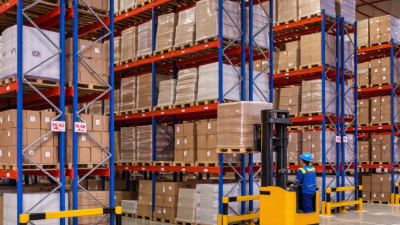
Safety depends on the complete operating environment. Check upright protection, anchoring, floor quality, forklift impact zones, and inspection access. HSE guidance HSG76 recommends regular rack inspections by a competent person, with immediate action for serious damage. A minor bend is not automatically harmless. Buyers should request design calculations, installation records, and maintenance procedures based on applicable regional standards. Some specifications look impressive on paper but fail when aisles become crowded.

Operating cost includes more than the purchase price. Compare installation hours, spare components, inspection labor, forklift travel distance, and future reconfiguration. Narrower aisles may increase storage density, but they can require specialized equipment and slower handling. MHI’s 2024 findings also show strong investment pressure toward automation, yet automation is not always economical for irregular or low-volume inventory. I would model three years of total cost, then test the result against seasonal peaks. The model may still be wrong. That is why a small pilot bay, with measured picking time and damage records, is often worth the inconvenience.

Global Standards, Regulations, and Installation Requirements

2026 Best Commercial Racking Systems for Global Buyers

Global Standards, Regulations, and Installation Requirements

Commercial racking is a safety structure, not simple warehouse furniture. Global buyers should verify the local standard before comparing price or capacity. In the United States, ANSI MH16.1 covers steel pallet rack design. OSHA also reports about 85 forklift fatalities and 35,000 serious injuries annually. Poor rack protection can increase this risk.

European projects commonly reference EN 15512, EN 15629, and EN 15635. These standards address design, specification, and inspection.

EN 15635 recommends expert inspections at intervals no longer than 12 months. Seismic regions require additional engineering under local building codes.

Installation teams must check floor strength, anchors, aisle widths, beam levels, and load plaques. A few millimeters of misalignment can matter. This point is sometimes underestimated.

Tips:

Request stamped calculations, material certificates, and an installation method statement. Confirm the rack’s maximum bay load and beam load separately. Photograph every anchor after installation. Schedule a documented inspection after relocation, impact, or structural changes.

One weakness remains: standards do not replace site judgment. A clean drawing may still fail when the floor is uneven or forklifts operate too quickly. Global buyers should allow time for local review, because a technically compliant system may still need adjustment for real working conditions.

A Step-by-Step Guide to Selecting and Purchasing Racking Systems

2026 Best Commercial Racking Systems for Global Buyers

A Step-by-Step Guide to Selecting and Purchasing Racking Systems

Start with the inventory, not the catalog. Record pallet dimensions, unit weights, turnover rates, and handling equipment. Measure clear height, column spacing, floor condition, and emergency access routes. A rack that fits the room may still slow daily work. Walk the aisles with operators. Their comments often reveal blocked sightlines, awkward picking heights, and wasted travel.

Define the required capacity for each beam and upright. Include the pallet, load distribution, and a practical safety margin. Request drawings, load tables, material specifications, and installation instructions from each supplier. Ask how components are tested and how damaged parts should be replaced. Local building, fire, seismic, and workplace rules must guide the purchase. Requirements vary between countries and even cities. Do not assume one certificate solves every approval issue.

Compare total cost, not only the quoted steel price. Include delivery, unloading, installation, inspections, spare parts, and future expansion. Confirm lead times in writing, especially for custom dimensions. Check whether forklifts can operate safely within the proposed aisle width. A spreadsheet helps, but it can still lie. Recheck every measurement on site. In real projects, small errors around doors or sprinklers create expensive changes. Leave room for growth, yet avoid buying empty capacity that weakens cash flow. Review the final layout with a qualified local professional before ordering.