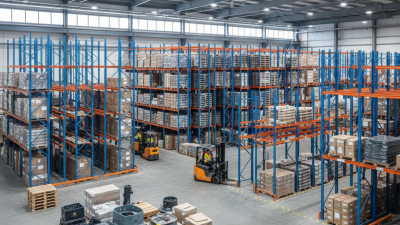
What Is an Automated Storage and Retrieval System?

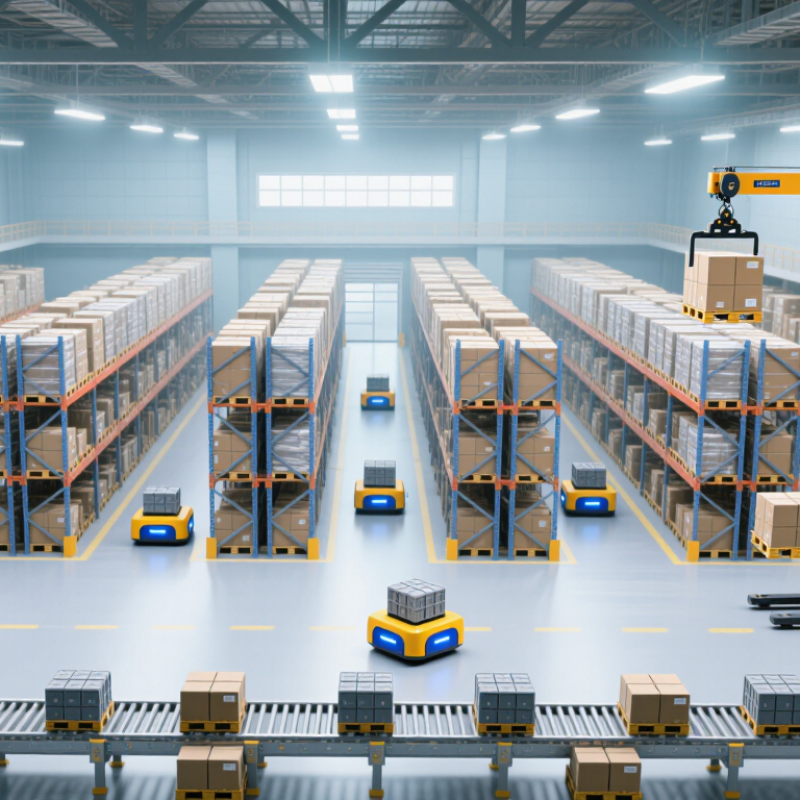
An automated storage and retrieval system (AS/RS) uses equipment and software to place, hold, and collect inventory with limited manual handling. Depending on the design, it may use cranes, shuttles, lifts, or compact robotic units. Picture a tote moving between tall racks while software directs it to an open location. The aim is practical: use space well and bring the right item to the right point.

But what does that look like in daily operations? An AS/RS can support order picking, production supply, or the storage of pallets and smaller parts. Its value depends on details such as item size, order patterns, building height, and required throughput. A busy operation with frequent small-item orders may need a different setup from a warehouse handling full pallets. Small details matter.

This guide explains the main system types, how equipment and control software work together, and where AS/RS may fit. It also considers potential benefits, such as more consistent inventory handling, alongside trade-offs like installation cost, maintenance, and the need to plan around changing demand. A system can look impressive in a demonstration yet behave differently under real workloads. That gap deserves attention. No single design suits every facility, and published performance figures should be checked against site conditions and operating assumptions. Understanding those limits makes it easier to ask useful questions and judge whether automation solves a real storage problem—or simply adds complexity.
What Is an Automated Storage and Retrieval System?

What an AS/RS Is: MHI’s Definition of Automated Storage and Retrieval

An automated storage and retrieval system (AS/RS) is a combination of equipment and controls that stores, handles, and retrieves materials with precision, accuracy, and speed at a defined level of automation. This widely used industry definition describes a coordinated system, not just a storage machine. Its equipment may include cranes, shuttles, lifts, or robotic carriers. Controls direct each movement and track where inventory is placed.

The operating sequence is practical: a tote arrives at an input point, a carrier moves it to an assigned location, and the control system records its position. When requested, the system retrieves the tote and delivers it to a workstation or transfer point. Small details matter. Container dimensions, load weight, aisle layout, and retrieval patterns all affect performance. A fast machine cannot compensate for poorly organized inventory data.

Automation can improve space use and reduce repetitive travel, but it is not automatically the right fit. Demand changes, maintenance needs, and recovery procedures deserve attention before equipment is selected. A system may meet its design rate yet struggle during unusual order peaks. That gap is easy to overlook. Defining the required level of automation—and testing assumptions with real inventory and order data—makes the system’s purpose clearer.

Core Components: Storage Racks, Retrieval Machines, Conveyors, and Controls

An automated storage and retrieval system moves goods between storage locations and workstations with limited manual handling. Its core components must work as one system. Storage racks hold bins, cartons, or pallets in carefully planned positions. Their dimensions and load limits shape what the system can store. Retrieval machines travel through rack aisles, lifting or shuttling loads to assigned locations. A poorly matched rack layout can slow every retrieval. Fit matters.

Conveyors connect storage equipment with picking, packing, or production areas. Sensors help detect loads and keep transfers aligned; guards and clear access routes support safe operation. Controls coordinate machine movement, track inventory locations, and manage task priorities. Operators still need clear alerts and practical recovery procedures when a tote jams or a sensor misreads a load. Small faults matter.

MHI’s 2024 Annual Industry Report found that 55% of surveyed companies planned to increase supply-chain technology investment over the following five years. That is a broad investment intention, not proof that every automated storage project pays off. Site-level factors—such as order patterns, available space, and peak demand—still determine whether these components deliver useful throughput. A system may look efficient on paper and struggle with real product variation. That deserves a hard review.

What Is an Automated Storage and Retrieval System? - Core Components: Storage Racks, Retrieval Machines, Conveyors, and Controls

Core Component Primary Function Typical Forms or Features Key Interfaces Operational Considerations
Storage Racks Provide the structural locations where loads are stored and retrieved. Steel rack structures with designated storage positions; layouts may be single-deep or multi-deep and configured for pallets, totes, trays, or cartons. Connect to retrieval-machine aisles, load-transfer points, facility floor, and inventory-location data. Capacity and layout depend on load dimensions, weight, building height, aisle arrangement, clearances, and applicable structural and fire-safety requirements.
Retrieval Machines Move loads between storage locations and transfer points. Common examples include aisle-based cranes, shuttle systems, and vertical lift modules. Equipment may travel horizontally, lift vertically, or use a combination of movements. Interact with rack locations, conveyors or workstations, sensors, safety devices, and the system controls. Performance is affected by travel distance, load characteristics, acceleration, transfer time, aisle configuration, and the number of machines serving the system.
Conveyors and Transfer Equipment Transport loads to and from the storage system and connect it to receiving, picking, packing, or shipping areas. May include roller or belt conveyors, chain conveyors, lifts, turntables, and load-transfer stations, selected to suit the load and process. Link retrieval-machine handoff points with operator stations, adjacent material-handling equipment, and upstream or downstream processes. Load orientation, package stability, transfer timing, accumulation, access for maintenance, and safe operator interaction should be considered.
Controls and Software Coordinate equipment movement, manage storage and retrieval tasks, and maintain inventory-location records. Typically includes equipment-level controls, sensors and safety logic, a warehouse control layer, and interfaces to warehouse management software. Exchange task, status, and inventory information with retrieval machines, conveyors, scanners, operator terminals, and business systems. Reliable operation depends on accurate item and location data, clear fault handling, communications availability, safety interlocks, and recovery procedures.

System Types: Unit-Load, Mini-Load, Shuttle, Carousel, and VLM

An automated storage and retrieval system (AS/RS) stores items in designated locations and brings them to a pickup point. Its design depends on the load, order pattern, and available space. Unit-load systems handle full pallets, often using tall racks and cranes. They work well when goods move in large, consistent quantities. Mini-load systems store smaller cartons or totes. A compact crane retrieves each container, which can help with frequent, varied picks. The difference sounds simple. In practice, carton size and order mix can change the decision.

Shuttle systems use vehicles that travel through storage lanes, moving totes or cartons to access points. Multiple shuttles may support higher activity, but software and replenishment rules matter too. Carousels rotate shelves or bins toward a picking station. Vertical lift modules (VLMs) move trays inside an enclosed cabinet to an access opening, using vertical space efficiently. Space matters. A carousel may suit steady picking, while a VLM can fit a narrow footprint; neither is automatically better. Real facilities also face awkward item dimensions, peak-season surges, and maintenance needs. The comparison is rarely neat. Before choosing, teams should measure actual item sizes, daily order variation, and how quickly operators need each load. One overlooked constraint can make a tidy system diagram misleading.

High-Bay Scale: SSI SCHÄFER Systems Reach Heights of Up to 45 m

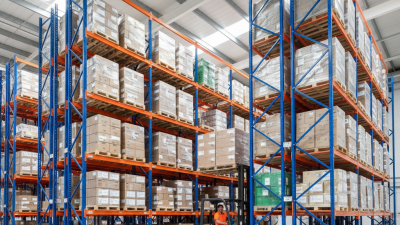
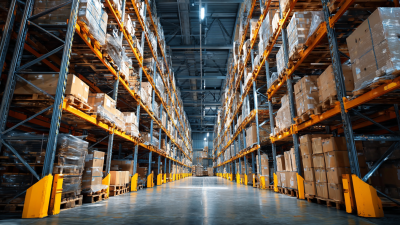
An automated storage and retrieval system moves goods between storage locations and collection points with limited manual handling. In a high-bay warehouse, the rack structure may rise to 45 metres, turning unused vertical space into storage capacity. That height changes the work. A narrow-aisle crane travels along each aisle, lifting loads to assigned positions while software tracks their locations.

Accuracy matters. At ground level, a small placement error may be easy to spot. Far above the floor, it can disrupt later retrievals or create delays. Sensors, stable loads, and carefully aligned rails help the equipment move reliably. The system also depends on clear inventory data; automation cannot correct a product record that was entered incorrectly. That part is easy to underestimate.

High-bay storage can reduce the floor area needed for inventory, but it brings trade-offs. Building structure, load dimensions, maintenance access, and recovery plans all need attention before installation. A tall rack looks efficient on a drawing. In daily operation, even a short equipment stop may affect several orders. The best design is not always the tallest one. Sometimes the assumptions need another look.

Performance Measures: Throughput, Storage Density, Accuracy, and Uptime

What Is an Automated Storage and Retrieval System?

Performance Measures: Throughput, Storage Density, Accuracy, and Uptime

An automated storage and retrieval system (AS/RS) should be measured against the work it actually handles. Throughput is usually recorded as completed storage or retrieval transactions per hour. Define whether a transaction means one tote, one pallet, or one order line; otherwise, shift comparisons can mislead. MHI’s 2024 Annual Industry Report identifies robotics and automation as an area of planned supply-chain investment. That signals growing interest, not guaranteed performance. Measure your own baseline before setting targets.

Storage density can be tracked as usable inventory positions per square metre, while accuracy should include both correct-item retrievals and inventory-record agreement. A system can move fast and still send the wrong tote.

Uptime is the share of scheduled operating time when the system is available; record stoppages separately by cause, duration, and recovery time. Keep the definitions consistent. A weekly dashboard may look reassuring, yet hide brief interruptions that repeatedly delay packing.

Manual exception handling matters too, and it is easy to undercount. Compare results across shifts and product mixes, then review whether the numbers reflect real operator experience.