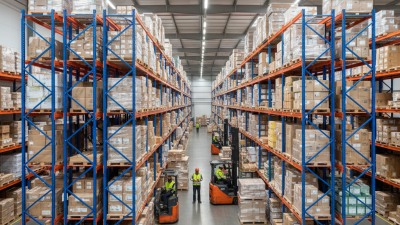
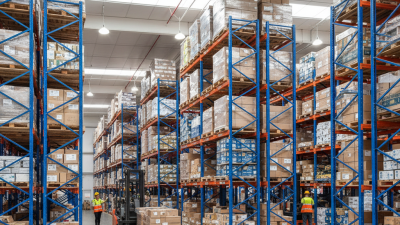
In the competitive world of warehouse logistics, selecting the right pallet racking system is crucial. John Smith, a seasoned expert in the pallet racking industry, emphasizes, “Choosing the right racking influences efficiency and safety.” With various options available, it can be daunting to make a choice.
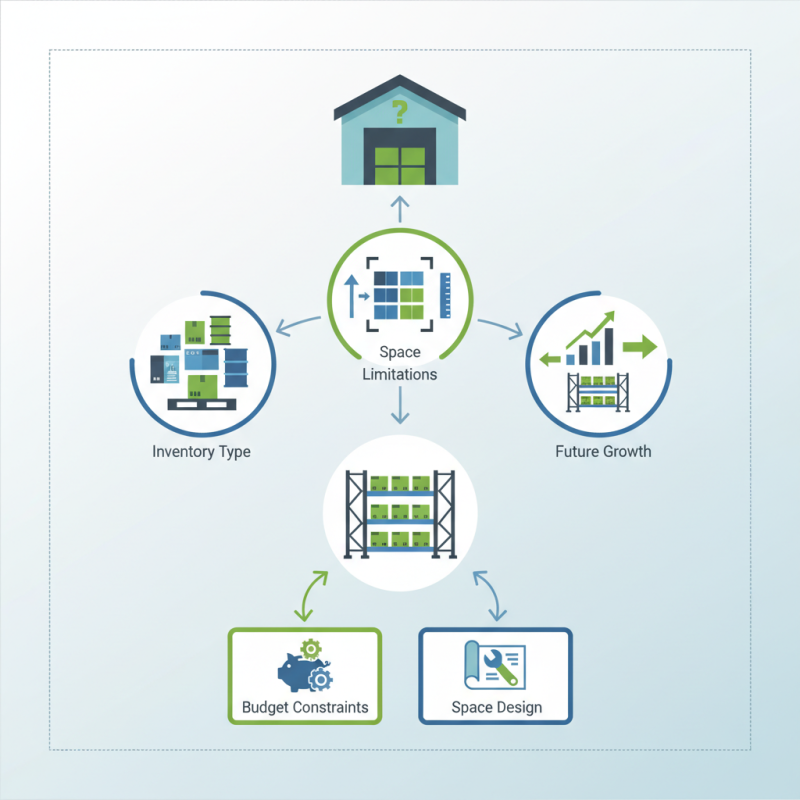
Consider your inventory type and space limitations. Different racking systems serve distinct purposes. Some options may not maximize storage effectively. Furthermore, consider the potential for future growth. What works today might not fit tomorrow’s needs.
It’s important to recognize that not every solution fits every warehouse. Limitations may arise from budget constraints or space design. Reflecting on these aspects is essential. Developing a tailored approach will yield better results in the long run. Investing time in understanding pallet racking can significantly impact your warehouse operations.
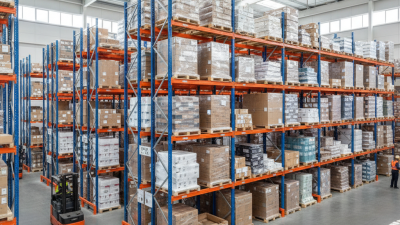
When selecting the right pallet racking for your warehouse, it's crucial to understand the different types available. Each system serves a unique purpose and has its own advantages. For instance, selective pallet racking offers easy access to all pallets. This is ideal for warehouses with a variety of stock. However, it can be less space-efficient when compared to other systems.
Drive-in racking systems maximize storage density. They allow multiple pallets to be stored in a single lane. This could lead to space savings, but it also complicates inventory management. If a product isn’t moving, retrieving a specific pallet becomes difficult. Consider whether your warehouse has high-rotation stock or not. This can affect the viability of such a system.
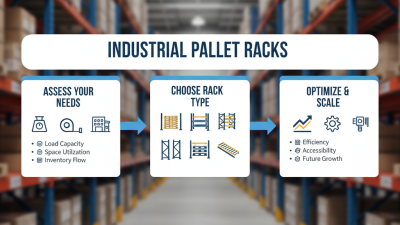
Another option is the push-back racking. It provides a balance between selectivity and space efficiency. Pallets are stored on wheeled carts, which slide along rails. While this system is efficient, it may require more maintenance. Safety is another consideration; ensure racks are properly maintained to avoid hazardous situations. Always assess your specific needs before making a choice. Understanding your inventory flow and space limitations is key.
Assessing your warehouse space and layout is crucial when choosing pallet racking. Consider the dimensions of your warehouse. Is the space tall or short? The height of your ceiling impacts the type of racking you can install. Measure the length and width carefully. Ignoring these details can lead to wasted space and inefficiency.
Think about your storage needs. What items will you store? Bulky items require different racking than small packages. Analyze how frequently you access these materials. High turnover items should be easy to reach. Conversely, items that are seldom used can be stored higher up. Reflect on the flow of your warehouse. A poorly designed layout can create bottlenecks.
In reviewing your current setup, ask yourself if it truly meets your needs. Maybe the aisles are too narrow. Or perhaps the racking is not flexible enough. Assess whether your current system allows for future expansion. This reflection can help you avoid costly mistakes. Consider consulting with a warehouse expert. Their insights can lead to a more thoughtful approach to your racking system.
| Racking Type | Max Load Capacity (lbs) | Height (ft) | Footprint (ft²) | Best For |
|---|---|---|---|---|
| Selective Rack | 3,000 | 12 | 100 | Medium Variety Inventory |
| Drive-In Rack | 3,500 | 10 | 80 | High-Density Storage |
| Push Back Rack | 2,500 | 15 | 90 | FEFO Inventory |
| Cantilever Rack | 5,000 | 18 | 120 | Long and Bulky Items |
| Mobile Racking | 2,000 | 12 | 85 | Limited Space Warehouses |
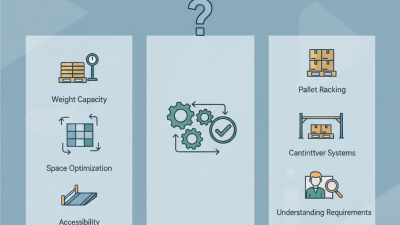
When selecting pallet racking, evaluating load capacity is crucial. Every warehouse has unique needs. Knowing the maximum weight your racks can hold ensures safety. Evaluate the intended use of each rack. This means understanding both static and dynamic loads. Many overlook the factors that can affect load capacity, such as rack height and load distribution.
Weight distribution is another vital consideration. Evenly spreading weight can prevent potential hazards. For instance, if heavy items are placed on one side of the rack, it can lead to imbalance. This can cause structural failure. It's easy to miscalculate. Taking time to assess load placement can save you from costly mistakes. Regular inspections are essential. They can help identify any issues before they become serious problems.
Keep in mind the type of materials stored. Different materials have different weight characteristics. This can complicate weight distribution needs. It’s important to reflect on how items are organized. If you find inconsistencies, adjust accordingly. A well-thought-out plan is necessary for effective warehouse management.
Choosing the right pallet racking system is crucial for warehouse efficiency. Accessibility and inventory management should be your top priorities. A well-designed layout can boost picking accuracy by up to 25%, according to industry reports. Companies often overlook aisles; narrow aisles can greatly enhance storage density but may restrict movement. Finding a balance is key.
Tips: Assess your inventory turnover. High-turn items should be easily accessible. Modeled ratios suggest that 70% of your picks should come from 30% of your items. This Pareto principle guides efficient storage.
Consider the type of racking. Selective racking allows direct access to pallets. However, drive-in racks can maximize space but complicate retrieval. Analyze your needs. Will you be storing fast-moving SKUs or bulky, slow-moving items?
Remember that employee training is vital. Poor training can lead to accidents or damaged goods. Investing in proper training can significantly decrease costs over time. Engage with your team for feedback; they often have valuable insights into accessibility challenges.
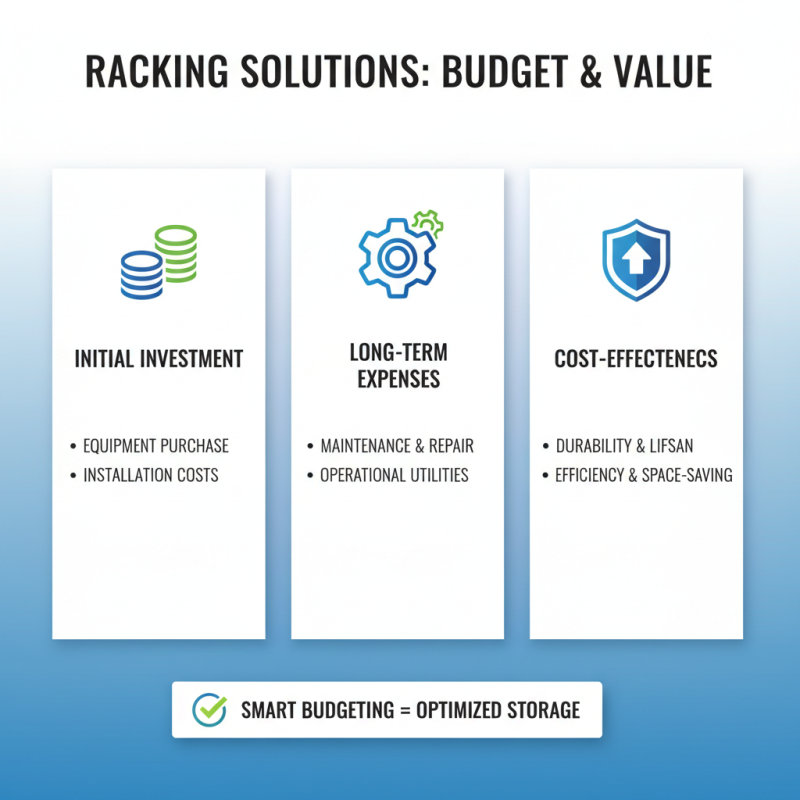
Choosing the right pallet racking requires careful consideration of your budget. It's essential to assess how much you can allocate for storage solutions. Racking options vary in cost, so understanding your financial limits is crucial. In this evaluation, include installation and maintenance costs as well. These factors can affect your overall budget.
Tips: Always research the long-term costs of different racking solutions. A cheaper option might lead to higher maintenance costs over time. Look out for special discounts or bulk purchase deals too. These can significantly impact your bottom line.
When selecting racking, consider the total cost of ownership. A more expensive system might offer better durability. Assess whether more budget-friendly options meet your needs in the long run. Be cautious of options that seem too good to be true—they might not hold up.
Tips: Engage with warehouse management staff to gather input on racking needs. Their experience can uncover hidden costs or benefits. Additionally, analyze the flexibility of your racking system. Will it adapt to future needs without significant extra investment? This foresight is vital.