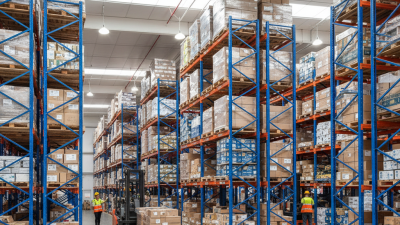
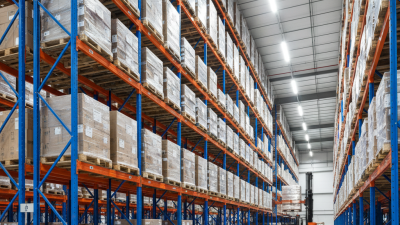
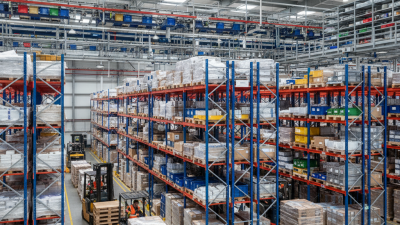
Warehouse racking plays a crucial role in modern logistics and warehouse management. It enhances storage efficiency and improves space utilization. Businesses rely on effective racking systems to keep their operations smooth. Implementing the right warehouse racking can lead to significant benefits.
When warehouses optimize their racking systems, they can store more products in less space. This efficiency not only reduces costs but also speeds up order fulfillment. A well-organized warehouse with effective racking minimizes the risk of accidents and injuries. Safety is essential when handling heavy goods and machinery.
Many companies overlook the importance of warehouse racking. They might stick to old systems that are less efficient. Reflecting on current practices is vital. Businesses need to consider modern racking solutions that can adapt to their changing needs. Investing time in planning a racking system can pay off significantly. By embracing innovative storage solutions, companies can stay competitive and meet customer demands.
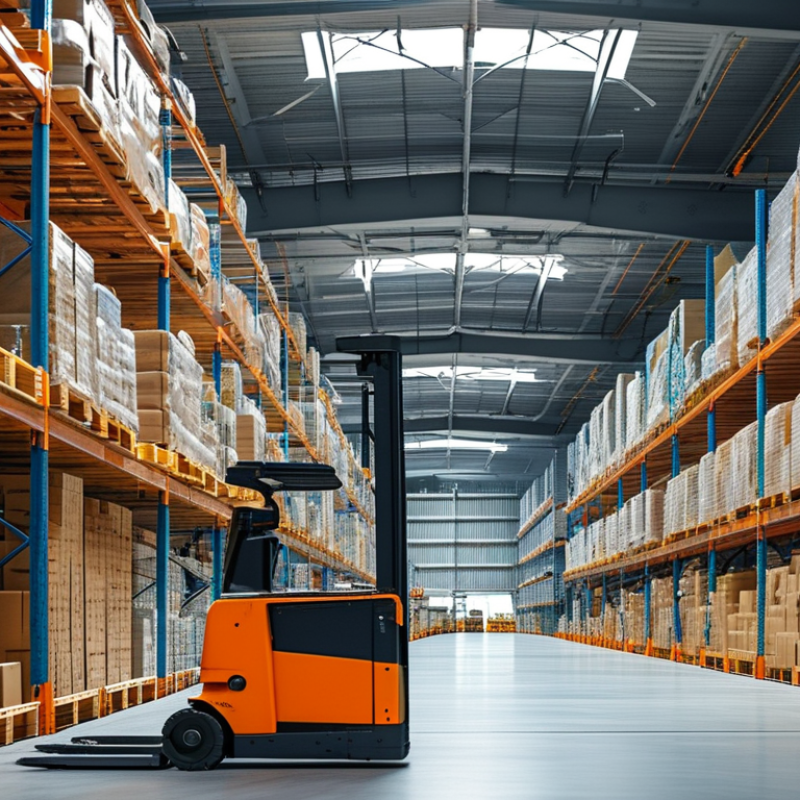
Warehouse racking refers to the system of shelves and structures used to store goods in a warehouse. This system is designed to maximize space utilization. Well-designed racking solutions help businesses store inventory securely and efficiently. Each type of racking offers distinct advantages, like adjustable heights for varying products. This flexibility can accommodate seasonal stock changes easily.
Understanding racking is crucial for warehouse efficiency. It allows for quick access to goods, reducing picking time. Improper racking can lead to safety hazards or inefficient workflows. Companies often overlook the importance of proper installation and maintenance, which are essential for a safe working environment. Regular audits of racking systems can identify issues before they become serious problems.
Incorporating effective racking systems can drastically improve organizational flow. It's important to assess specific needs before investing in racking solutions. Every warehouse has unique dimensions and inventory types, leading to different requirements. Reflecting on the choices made can yield better solutions tailored to individual business needs.
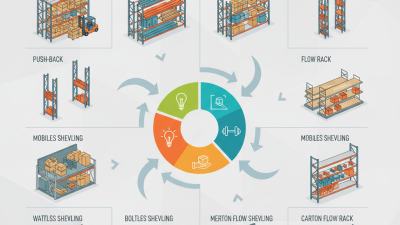
Warehouse racking systems play a critical role in optimizing storage space and improving operational efficiency. Among the various types, selective racking is the most common. It provides easy access to every pallet. This system accounts for approximately 50% of the market share, showcasing its popularity and effectiveness.
Drive-in racking offers a different approach. It maximizes storage density by allowing forklifts to enter the racking system. This can lead to a 60% increase in storage efficiency, making it ideal for high-volume items. However, retrieval times can be longer due to its configuration, which might not suit every business model.
Another option is flow racking, which utilizes gravity to move products. It’s particularly beneficial for perishable goods, as it ensures first-in, first-out inventory management. According to industry reports, implementing flow racking can reduce spoilage rates by up to 30%. Each type of racking system has its unique advantages and challenges, and careful consideration is necessary to align with specific business needs. Balancing capacity and accessibility is key here.
Warehouse racking systems play a crucial role in optimizing storage space. They enhance efficiency in managing inventory. According to industry studies, businesses can increase their storage capacity by over 50% with proper racking solutions. This provides a significant competitive edge.
Implementing racking systems also leads to better organization. Items are easier to locate and access. Studies show that organized warehouses can improve picking speed by up to 30%. This speed translates directly into increased productivity and reduced labor costs. Efficient racking helps reduce errors in orders and inventory management.
However, challenges exist. Not every racking solution fits all types of warehouses. Some facilities struggle with layout and design. A poorly planned racking system can waste space instead of saving it. Regular assessments and adjustments are essential. Addressing these challenges can greatly enhance profitability.
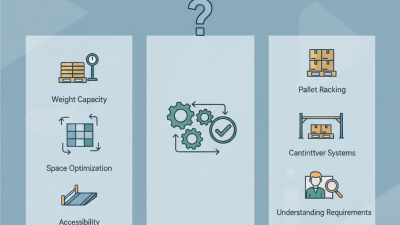
Choosing the right warehouse racking solutions is crucial for optimizing space and enhancing efficiency. Each type of racking system serves different operational needs.
Selective racking, for instance, is one of the most common types. It offers easy access to all pallets but may not maximize vertical space. According to the Material Handling Industry Association, the right racking can increase storage capacity by up to 40%.
Another significant factor is weight capacity. Every rack must support specific loads safely. OVERLOAD CAN CAUSE ACCIDENTS. It’s essential to check the manufacturer's guidelines and consider the weight of stored items. This detail is often overlooked, leading to potential safety hazards and costly damages. Additionally, consider your inventory flow. FIFO (first in, first out) systems work well with certain racking types.
Lastly, the warehouse layout itself must drive your decision. A narrow aisle can benefit from specialized racking but may complicate retrieval. An efficient design accommodates both storage needs and labor efficiency. Research shows that improper layout can reduce operation efficiency by nearly 25%. Balancing these factors requires careful planning and expert insights. Assess needs regularly to adapt to changing demands.
Maintaining warehouse racking systems is crucial for operational efficiency. Proper maintenance can decrease accidents by 20%, according to safety reports. Regular inspections are key. Look for signs of wear or damage. Ensure all components are secure and functioning properly. A proactive approach to maintenance significantly enhances safety standards.
Safety training for employees is essential. Ensure staff understands racking weight limits. Overloading shelves leads to structural failures and potential injuries. Research shows that nearly 40% of warehouse accidents result from improper use of racking systems. Conduct regular safety drills and educate staff on racking safety protocols.
Consider implementing safety audits. These assessments help identify potential risks before they become serious issues. Review injury reports to analyze trends. This data-driven strategy allows businesses to improve racking systems effectively. Engaging in continuous improvement not only enhances safety but also contributes to a more productive work environment.