Top Uses of Stainless Steel Chains for Your Business Needs?
Stainless steel chains have become essential tools for various industries. Their durability and strength make them ideal for demanding applications. Businesses rely on these chains for several purposes, enhancing efficiency and safety.
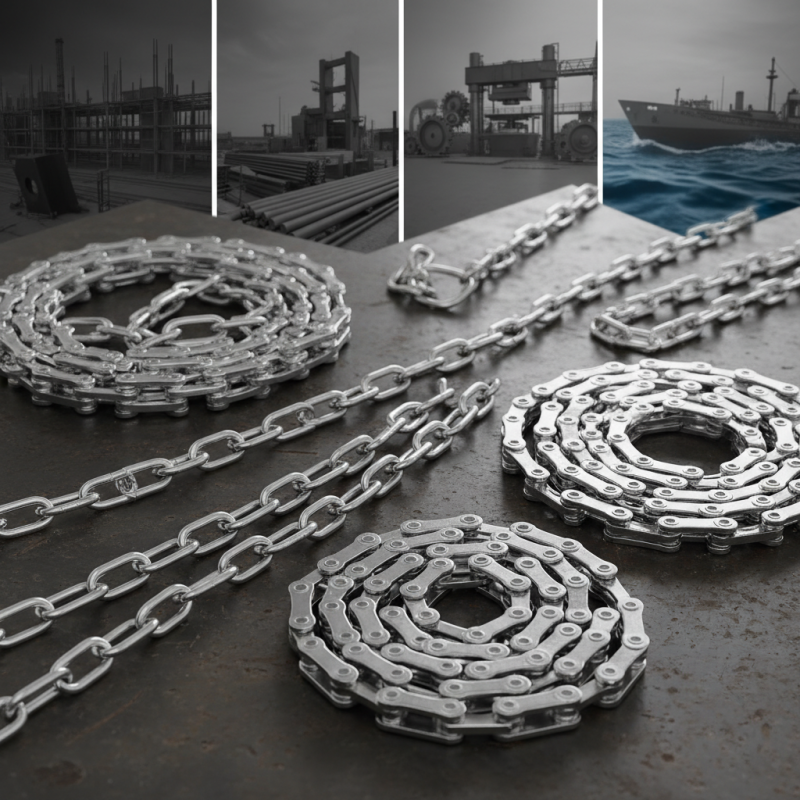
In construction, stainless steel chains ensure structural integrity during projects. They withstand harsh environments without degrading. For manufacturing, these chains enhance machinery performance. They reduce wear and tear, ultimately saving costs. In marine applications, their corrosion resistance is crucial. They can endure saltwater exposure while maintaining functionality.
However, choosing the right stainless steel chains requires careful consideration. Not all chains suit every task, and improper selection can lead to failures. Understanding the specific needs of your business is vital. Investing time in research is necessary to find reliable options. This insight helps streamline operations and uphold safety standards.
Applications of Stainless Steel Chains in Manufacturing Industries
Stainless steel chains have become a vital component in various manufacturing industries due to their durability and resistance to corrosion. They are widely used in sectors like food processing, pharmaceuticals, and chemical manufacturing. A recent industry report noted that the global stainless steel chain market is expected to grow by 5.1% annually through 2027. This growth indicates a rising demand for reliable and robust materials in production processes.
In the food industry, stainless steel chains are crucial in conveyor systems that transport food safely. They withstand high temperatures and harsh cleaning chemicals, ensuring hygienic operations. The pharmaceutical sector also relies on stainless steel for its ability to maintain sterile environments. These chains reduce contamination risks, which is vital for compliance with health regulations.
Tips: When selecting stainless steel chains, consider the operating environment. Factors like temperature and exposure to chemicals can significantly impact performance. Also, regularly inspect chains for wear and tear. This proactive approach can prevent costly downtimes. While stainless steel is resilient, understanding its limitations is key to effective usage. Always seek feedback from your maintenance teams to refine your selection process.
Advantages of Using Stainless Steel Chains for Load Management
Stainless steel chains have become essential for effective load management in various industries. Their strength and durability make them ideal for heavy lifting and securing loads. Unlike other materials, stainless steel resists corrosion, which is crucial in environments exposed to moisture. This resistance extends the lifespan of the chains, making them a cost-effective solution.
In logistics and manufacturing, the benefits of stainless steel chains are evident. They provide reliable performance, allowing businesses to transport goods safely. The flexibility of stainless steel chains adds to their appeal; they can adapt to different loads and environments.
However, the weight of stainless steel can be a drawback for some applications, necessitating careful consideration of options. Another aspect to reflect on is the maintenance. While stainless steel is low-maintenance, neglect can lead to rust over time. Regular checks and cleaning are essential to ensure optimal performance. This might be a small effort compared to the reliability they offer, but it’s a critical detail that shouldn’t be overlooked. Understanding these nuances can help businesses maximize their use of stainless steel chains effectively.
The Role of Stainless Steel Chains in Food Processing and Packaging
Stainless steel chains play a crucial role in food processing and packaging. They are durable and resistant to corrosion, making them suitable for a wide range of environments. The food and beverage industry relies heavily on these chains for moving materials safely and hygienically. Reports indicate that the global stainless steel chain market is projected to grow by 5.2% annually, underscoring their importance.
In food processing plants, stainless steel chains are used in conveyor systems. These systems transport raw materials through various stages of production. For example, chains in meat processing facilities must withstand harsh cleaning chemicals. According to industry standards, 38% of processors cite chain durability as a primary concern. This indicates potential areas for improvement in chain technology.
When it comes to packaging, stainless steel chains ensure speed and efficiency. They help in forming, filling, and sealing operations. The use of these chains can improve production rates by up to 30%. However, sourcing high-quality chains remains a challenge. Many facilities may not fully realize how chain quality impacts their operations. Thus, evaluating suppliers and chain specifications is vital for maintaining standards in food safety and efficiency.
Top Uses of Stainless Steel Chains for Your Business Needs
| Application Area | Description | Benefits | Maintenance Requirements |
| Food Processing | Used in conveyor systems for transporting food products. | Corrosion resistance, easy to clean, sanitary. | Regular inspections and cleaning to prevent buildup. |
| Food Packaging | Involved in the packaging machinery for sealing food items. | Durable, contamination prevention. | Lubrication and periodic checks for wear and tear. |
| Beverage Industry | Used in the production lines for bottling and packaging. | Resistant to acidic beverages, longevity. | Routine cleaning and occasional replacement of worn parts. |
| Pharmaceutical Industry | Utilized in equipment that needs to meet strict hygiene standards. | Non-reactive, easy to sterilize. | Regular sterilization and minimal maintenance required. |
| Bakery Equipment | Used in dough mixing and handling equipment. | Sturdy, high resistance to dough adhesion. | Periodic cleaning to maintain performance. |
Corrosion Resistance: Stainless Steel Chains in Marine Environments
Stainless steel chains are essential in marine environments. They offer excellent corrosion resistance, making them ideal for harsh conditions. Marine applications often expose materials to saltwater, which is highly corrosive. According to a report by the Metal Industries Research Institute, stainless steel's ability to withstand corrosion extends its service life significantly, sometimes exceeding 20 years.
Corroded chains can lead to operational failures. This can result in delays and increased costs. A study by the Corrosion Prevention Association found that over 25% of marine equipment failures are due to rust. Choosing stainless steel chains reduces maintenance needs. Regular inspections are still necessary, but the frequency can be lower than with other materials.
However, even stainless steel can corrode in certain conditions. Under intense exposure to salt and humidity, surface rust may occur. This highlights the need for proper care. Regular cleaning and protective coatings can enhance their lifespan. It's a balance between durability and maintenance. Investing in quality materials makes a difference, but awareness of the environment is crucial.
Innovative Uses of Stainless Steel Chains in Construction Projects
Stainless steel chains are increasingly vital in construction projects due to their unmatched strength and durability. According to a report from the International Stainless Steel Forum, around 60% of the stainless steel produced globally is utilized in industrial applications, including construction. These chains can withstand harsh environments, resisting corrosion and wear. They are used for lifting, securing structures, and even in scaffolding systems where safety is paramount.
In innovative construction practices, stainless steel chains ensure both functionality and longevity. They are often used in suspension systems for bridges and heavy structures. These chains can bear significant loads, a crucial factor noted in recent engineering studies. A survey indicated that 78% of construction engineers prefer stainless steel for its reliability and minimal maintenance needs. Nonetheless, there are challenges. For instance, the initial cost can be higher than alternative materials. This leads to debates about budget constraints versus long-term investment.
Moreover, some projects face difficulty finding the right specifications for their needs. Proper selection is crucial to avoid future complications. Despite these uncertainties, the versatility of stainless steel chains positions them as a staple in modern construction. They meet diverse requirements, ensuring project integrity and efficiency. Using the right materials enhances safety and performance, making them indispensable for today’s builders.
