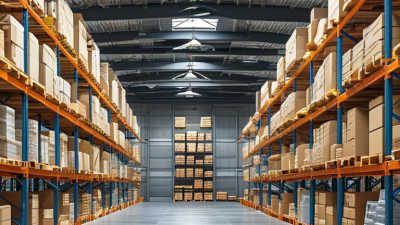
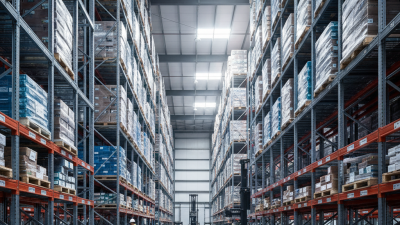
Choosing the right racking solutions in 2026 starts with the work happening on the warehouse floor. A pallet rack that suits fast-moving cartons may not fit long steel stock or temperature-controlled goods. Measure aisle widths, load weights, ceiling clearance, and forklift turning space before comparing systems. Small details matter. A beam that clears a sprinkler line by only a few inches can complicate installation and future changes.
This guide compares selective pallet racking, drive-in systems, push-back racks, cantilever racks, and automated options. It considers storage density, product access, expansion needs, and the daily movement of people and equipment. There is no single best layout. A high-density system can save floor space, but it may slow access when every pallet needs direct retrieval. That trade-off deserves a careful look.
A note on the quotation: no source article or verified expert interview was provided, so the following is an original editorial line, not a published quotation. It is voiced by fictional composite specialist Dana Brooks: “A rack earns its place when it fits the load, the workflow, and the room to grow.” Use that as a prompt, not proof. Real projects still require verified load data, qualified design review, and clear operating procedures. Even a polished plan can miss something. The sections ahead offer a practical way to compare racking solutions and identify questions worth asking before a purchase.
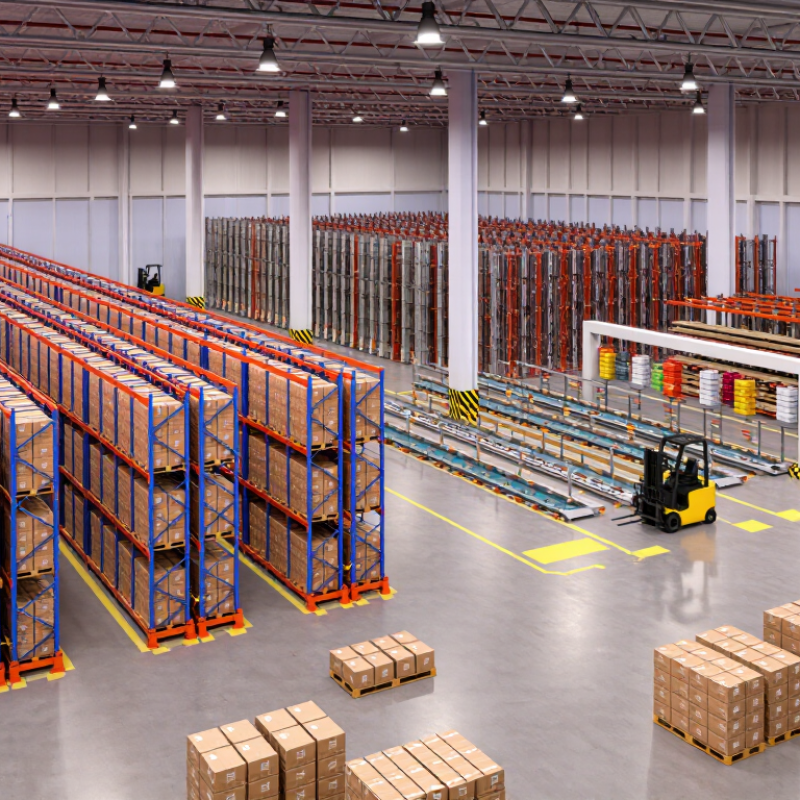
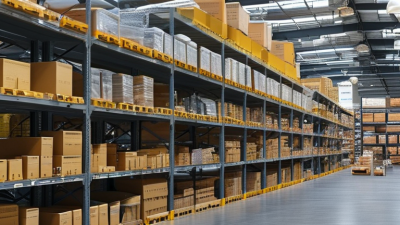
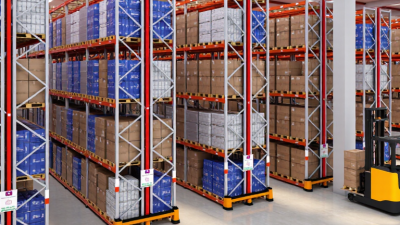
Racking systems are structural frames that store palletized goods above the floor. Most use upright frames, horizontal beams, and locking connectors. The uprights transfer weight to the floor; beams support each load. A forklift places pallets onto the beams, while workers retrieve them from designated aisles. Simple in concept. Precise in use. Beam height, aisle width, pallet size, and floor capacity all affect how a system performs. Selective racking gives direct access to each pallet. Other layouts, such as drive-in or push-back systems, trade some access for denser storage. In 2026, the right choice still depends on inventory flow, not just available space.
Tips: Check pallet dimensions and maximum load weights before setting beam levels. Keep aisle clearance suitable for the equipment in use. Label load limits clearly, and arrange routine inspections for damaged frames or loose connectors. Small details matter.
A well-planned layout can shorten picking routes and reduce unnecessary handling, but a drawing cannot reveal every daily bottleneck. Observe how staff and forklifts actually move through the space. A system that looks efficient on paper may create awkward turns near busy dispatch areas. That is worth reconsidering. Changes in stock or equipment can also affect safe operation, so review the setup when those conditions shift.
What Are the Top Racking Solutions in 2026?
Which Racking Solutions Lead in 2026?
Selective pallet racking remains a leading choice for warehouses handling varied products. Operators can reach each pallet directly, making picking changes easier when stock levels shift. For denser storage, drive-in and push-back systems reduce aisle space, but require more careful inventory planning. Pallet-flow racking can support fast-moving goods, while automated storage and retrieval systems suit facilities with high throughput and consistent loads. No layout wins everywhere. A busy picking aisle may gain little from extra density if access slows down.
Industry adoption trends point toward more automation, not one universal rack type. The 2024 MHI Annual Industry Report, prepared with Deloitte, found that 55% of surveyed supply-chain professionals expected to adopt robotics and automation within five years. That makes rack compatibility, load accuracy, and clear travel paths practical selection criteria. Still, automation is not a cure-all; uneven pallets and changing product sizes can complicate a carefully planned system.
Tips: Measure pallet dimensions, load weights, and peak movements before comparing layouts. Test the proposed aisle width with actual handling equipment. Leave room for change, too. Forecasts can be wrong, and a dense rack that fits today may frustrate tomorrow’s picking team.
| Racking Solution | Best Suited For | Storage Density | Pallet Selectivity | Access Method | Key Advantage | Main Consideration |
|---|---|---|---|---|---|---|
| Selective Pallet Racking | Warehouses with many product lines and frequent access to individual pallets. | Low to medium | High | Forklift access to each pallet from an aisle. | Direct access to every pallet position; adaptable to varied inventory. | Requires more aisle space than higher-density systems. |
| Double-Deep Racking | Operations storing several pallets of the same product and seeking more capacity than single-deep selective layouts. | Medium to high | Medium | Forklift with a deep-reach capability accesses pallets stored two positions deep. | Reduces the number of aisles while retaining access to multiple product lanes. | Rear pallets are less accessible and may require a suitable inventory rotation method. |
| Drive-In / Drive-Through Racking | High-volume storage of similar products, especially where many pallets share a product code. | High | Low | Forklift enters the rack lane to place or retrieve pallets. | Uses fewer aisles and can provide substantial pallet capacity within a given floor area. | Access within a lane is limited; careful truck operation and load planning are important. |
| Push-Back Racking | Multiple pallets per product with several product lanes and a need for relatively quick pallet handling. | High | Medium | Pallets are loaded and retrieved from the aisle; loading pushes earlier pallets farther back. | Supports multiple pallets in depth while keeping forklift traffic outside the storage lanes. | Typically operates on a last-in, first-out basis within each lane. |
| Pallet Flow Racking | High-throughput operations that benefit from orderly stock rotation and separate loading and picking sides. | High | Medium | Pallets move by gravity along inclined roller or wheel tracks from the loading side to the picking side. | Can support first-in, first-out pallet rotation and separate replenishment from picking. | Requires compatible pallets, well-controlled loads, and maintenance of the flow tracks. |
| Mobile Pallet Racking | Facilities needing selective pallet access but with limited floor area for fixed aisles. | High | High | Rack rows move to open an access aisle when required. | Reduces the number of permanently open aisles while preserving access to stored rows. | Access depends on moving the racks; operating procedures and safety controls are essential. |
| Automated Pallet Shuttle Racking | High-volume, deep-lane storage where reducing forklift travel inside rack lanes is a priority. | High | Low to medium | A powered shuttle carries pallets within storage lanes; forklifts transfer loads at the lane face. | Supports dense storage and reduces the need for forklifts to enter deep rack lanes. | Requires compatible equipment, controls, maintenance planning, and a suitable operating scale. |
| Cantilever Racking | Long, bulky, or irregular items such as pipes, timber, panels, and metal sections. | Medium | High | Loads rest on projecting arms and are handled from the open front of the rack. | Provides unobstructed access for goods that do not fit standard pallet bays. | Arm spacing, load length, and rated capacity must match the stored materials. |
Selection note: The right system depends on inventory variety, pallet access requirements, stock rotation, handling equipment, building layout, and operating throughput. Storage-density descriptions are comparative and can vary with warehouse design.
What Are the Top Racking Solutions in 2026?
How the Main Racking Types Compare
Racking choice is a trade-off between access, storage density, and handling speed. Selective pallet racks provide direct access to every pallet, making them practical for varied products and frequent picking. The cost is wider aisles and lower storage density. Drive-in racks use fewer aisles and suit large batches of similar goods, but operators must enter the rack structure. That calls for disciplined loading and careful impact protection.
Double-deep racks add density but require compatible handling equipment and reduce access to rear pallets. Push-back systems store multiple pallets per lane, while carton-flow racks use gravity-fed shelves to support fast, first-in, first-out picking. They can save travel time. But lane depth, product weight, and replenishment habits matter; a poor fit creates congestion rather than efficiency.
The MHI 2024 Annual Industry Report found that 55% of respondents reported supply chain disruptions increasing. That finding is not a rack-performance comparison, but it highlights why flexibility matters. Before choosing, map pallet sizes, SKU turnover, aisle widths, and expansion plans. Measure the actual operation. Even a dense layout can disappoint when fast-moving stock sits deep in a lane. Racking inspections and load signs also deserve attention; these details are easy to overlook during design.
A qualitative comparison of common pallet-racking systems. Scores are relative ratings from 1 (low) to 5 (high), based on typical system layout—not measured specifications.
Selective racks provide direct access to every pallet position. Drive-in racks prioritize dense storage, while push-back and pallet-flow systems balance density with lane-based access. Actual capacity and suitability depend on the building, equipment, pallet loads, and system design.
The right racking system starts with the goods, not the catalog. Check pallet dimensions, load weight, and how often each item moves. A selective pallet rack gives direct access to each pallet, which suits varied stock. Drive-in systems fit larger quantities of fewer products, but reduce aisle access. Cantilever racks can hold long materials such as timber or metal lengths. Details matter.
Measure the building before choosing a layout. Note clear height, column positions, floor condition, and door locations. Then map forklift turning space and required aisle widths with the equipment actually used. A tall rack may add capacity on paper, yet become impractical if lift trucks cannot reach it safely. Storage density is only one part of the calculation.
Think about inventory changes, picking speed, and future growth. Push-back racks can improve density for several pallets of the same item, while shelving may suit small, frequently picked goods. Ask a qualified racking professional to review load ratings, installation needs, and inspection plans. Still, no forecast is perfect. Teams sometimes overestimate growth and buy capacity they barely use; revisiting the layout after a season can reveal what the spreadsheet missed.
In 2026, racking choices depend on SKU variety, order speed, and available floor space, not trends. Selective pallet racking suits warehouses with many product types and frequent access. High-density shuttle or drive-in layouts can increase storage, but reduce direct access to each pallet. Automated cranes and shuttle systems move loads consistently in tall or repetitive operations. The trade-off is real. Teams must plan for charging, software downtime, and recovery procedures, not just peak throughput.
Safety is increasingly built into system design. Sensors and interlocks can pause equipment when someone enters a restricted zone, while cameras help teams monitor blind corners. But technology cannot replace clear aisle markings, trained operators, or routine rack inspections. A bent upright, loose anchor, or overloaded beam needs prompt attention. Load signs should match actual pallet weights and beam configurations. Where people and robots share space, routes and handoff points need testing during busy shifts, not only on paper. Even a carefully planned layout may feel clumsy at first; that deserves review, not blame.