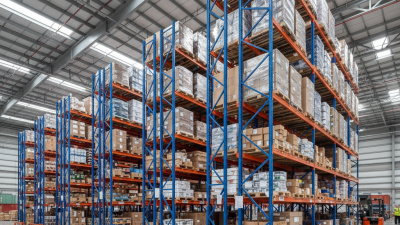
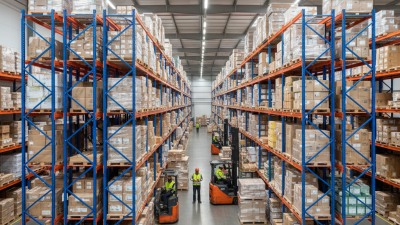
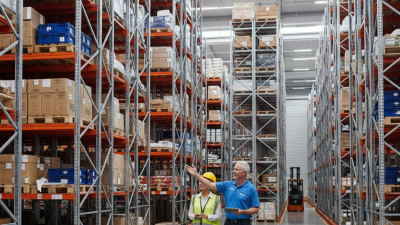
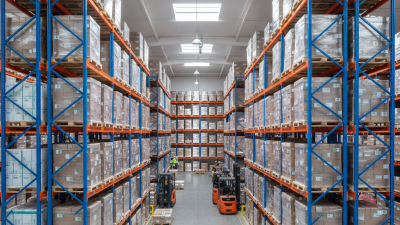
Selecting the right pallet rack shelving for your warehouse is crucial. Proper shelving solutions can enhance efficiency and safety. A well-organized warehouse boosts productivity and reduces operational costs.
Many businesses overlook the significance of quality pallet rack shelving. Often, companies choose based on price alone, which can lead to poor choices. This might result in overloading or poor space utilization. Understanding your specific needs is essential before making decisions.
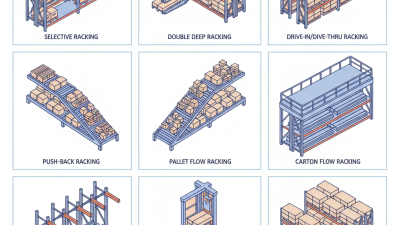
There are various types of pallet rack shelving available. Each type has its advantages and limitations. It’s vital to consider factors like load capacity, aisle width, and accessibility. A thoughtful approach can prevent future headaches. Investing in the right shelving is not merely a financial decision; it impacts overall workflow and safety standards.

Pallet rack designs are evolving to meet modern warehousing needs. Today's trends focus on maximizing space and improving efficiency. Innovative designs incorporate adjustable shelves, allowing for flexible storage options. With diverse pallet sizes, businesses can better utilize vertical space while minimizing aisle widths. This adaptation can significantly enhance productivity.
Investing in safety features is crucial. Advanced rack systems often include robust safety measures like load sensors and impact-resistant designs. These features help prevent accidents and reduce liability. However, regular inspections are necessary to ensure these systems remain effective. Simple maintenance can prevent costly downtime.
Transparency in rack design is becoming more common. Open designs allow better visibility across the warehouse. This helps in inventory management and minimizes the chances of misplaced items. Additionally, customization options are increasingly available. Tailoring racking systems to specific warehouse requirements can improve function. Reflection on current systems is vital. Are they truly meeting your needs? Regular assessments can help identify gaps in efficiency.
| Pallet Rack Type | Load Capacity (lbs) | Height (ft) | Width (ft) | Depth (ft) | Special Features |
|---|---|---|---|---|---|
| Selective Pallet Rack | 3,000 | 12 | 8 | 4 | Easy access, versatile |
| Drive-In Pallet Rack | 4,000 | 14 | 6 | 3 | High-density storage |
| Push Back Pallet Rack | 2,500 | 10 | 10 | 5 | LIFO, space-saving |
| Cantilever Rack | 6,000 | 15 | 8 | 3 | Ideal for long items |
| Mezzanine Rack | 5,000 | 20 | 12 | 8 | Maximizes vertical space |
When selecting pallet rack shelving, several key factors determine optimal efficiency. The type of pallet rack should align with your warehouse operations. According to a report by the Warehousing Education and Research Council, 70% of warehouses experience inefficiencies due to improper rack selection. Each design, from selective to drive-in racks, serves distinct needs based on inventory turnover rates and space utilization.
Load capacity is another critical factor. A study from the Material Handling Industry of America emphasized that 30% of warehouses fail to assess their load requirements accurately. Not only does this lead to safety risks, but it can also result in costly damages. Understanding the weight limits and dimensions of your goods will help in making an informed choice.
Additionally, the layout of your warehouse impacts rack efficiency. An optimized layout can improve picking speeds and reduce congestion. Experts suggest assessing aisle widths and vertical space to maximize productivity. Simply having enough shelving may not ensure that your operation is running smoothly. These nuances are necessary to reflect upon when investing in storage solutions.
Drive-in and selective pallet racking systems each offer unique advantages for warehouse storage. Drive-in racks minimize aisle space, allowing bulk storage of similar items. This design uses a Last In, First Out (LIFO) approach, which can complicate inventory management. Selective racks, however, provide easy access to pallets, supporting a First In, First Out (FIFO) method. This option may lead to a more organized inventory process, accommodating a diverse range of products.
When choosing between these systems, consider your specific needs. Evaluate your inventory turnover rates and the types of goods stored. A low turnover rate may benefit from drive-in racks, as they maximize space efficiency. Conversely, if you handle various items with frequent shifts, selective racks could enhance accessibility.
Understanding these differences is crucial. Selecting the right racking system ensures efficiency in your warehouse operations. Aim for a balance that meets your operational needs while contemplating possible future changes in inventory management. This perspective allows for better long-term planning and adjustments as your business evolves.
High-density pallet racking systems can significantly improve warehouse efficiency. Investing in these systems requires a careful cost-benefit analysis. You'll need to evaluate initial costs against long-term savings. While the upfront investment may be higher, the potential for increased storage space and inventory accessibility is substantial.
When considering pallet racking, understand the layout of your warehouse. Choose a design that maximizes vertical space. High-density shelving can yield more floor space for operations. However, there may be challenges in accessing higher shelves. Staff training is crucial to ensure safety and efficiency. Poorly executed training can lead to accidents and inefficiencies.
Assess ongoing maintenance costs as well. Regular inspections will help prolong the racking system's life. A neglected system can incur higher replacement costs over time. Keep in mind that high-density solutions may require specialized equipment for loading and unloading. This equipment can add to the operational cost, so consider all factors before investing. Always stay informed about safety standards to mitigate risks.
When it comes to pallet rack installations, adhering to safety standards is non-negotiable. According to the Material Handling Industry (MHI), nearly 20% of warehouse accidents involve pallet racking failures. This statistic highlights the critical importance of proper installation and maintenance. Ensuring that your racking systems comply with OSHA regulations and following the guidelines set by the Rack Manufacturers Institute (RMI) can significantly mitigate risks.
Proper inspections and audits should be a regular part of warehouse operations. It's crucial to train staff about weight limits and load distribution to prevent overloading. Regular checks on the structural integrity of racks can reveal issues before they lead to serious accidents. A study by the National Safety Council reported that warehouses with proactive safety measures reduce incidents by 30%.
Consider these tips for safe pallet rack use. Always ensure racks are anchored to the floor. This step prevents tipping during loading and unloading. Workers should be trained to identify signs of wear and tear. Noticing rust or bends early can save you from larger problems. Remember, the safety of your employees hinges on the details of installation and maintenance.