In the world of industrial manufacturing, choosing the right Metal Casting Furnace is crucial. These furnaces play a vital role in shaping metals for various applications. With a vast array of options available globally, buyers face significant challenges. Each furnace is designed with specific capabilities and specifications in mind.
Metal Casting Furnaces come in different types, including electric, induction, and cupola. Each type offers unique advantages, such as energy efficiency or high melting capacity. However, selecting the appropriate furnace requires careful consideration of production goals. Buyers must weigh factors such as cost, efficiency, and safety.
While there are many reputable brands, not all furnaces meet every need. An ideal furnace can increase productivity and improve product quality. Yet, some models may fall short of expectations, leading to disappointment. It is essential to conduct thorough research. Exploring feedback from experienced users can provide valuable insights before making a final decision.
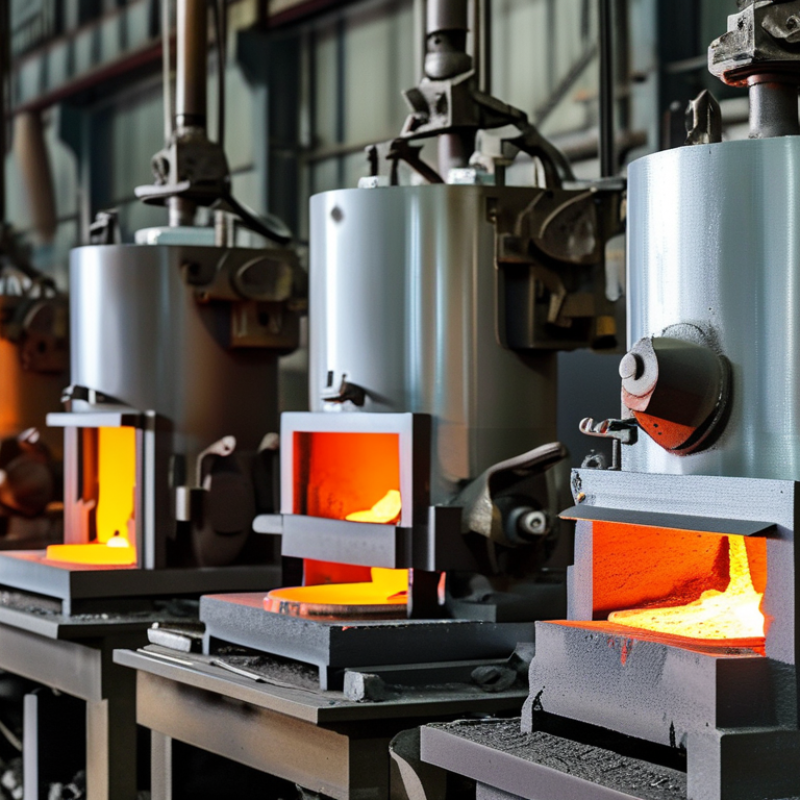
When exploring types of metal casting furnaces, buyers face a variety of options. Induction furnaces are popular for their efficiency and precision. They use electromagnetic fields to heat metals, ensuring uniform temperature throughout the material. This method is ideal for complex alloys.
Another option is the cupola furnace. Its design allows for continuous melting and is great for high-volume casting. Operators should maintain proper charge materials to ensure quality. The design can produce variations in temperature, leading to potential inconsistencies.
Tips: Always assess the specific requirements of your casting operation. Consider the scale of production and the types of metals processed. Frequent maintenance checks help avoid unexpected downtimes. A close evaluation of each furnace type will lead to better decision-making in selecting the appropriate equipment.
| Furnace Type | Primary Use | Temperature Range (°C) | Fuel Source | Efficiency (%) |
|---|---|---|---|---|
| Induction Furnace | Steel and Iron Casting | 1,500 - 1,600 | Electric | 85 - 90 |
| Cupola Furnace | Cast Iron Production | 1,400 - 1,500 | Coke | 60 - 70 |
| Electric Arc Furnace | Scrap Steel Recycling | 1,650 - 1,700 | Electric | 60 - 80 |
| Blast Furnace | Iron Ore Reduction | 1,200 - 1,600 | Coke | 70 - 80 |
| Tilting Furnace | Non-ferrous Metal Casting | 600 - 1,200 | Natural Gas / Electric | 75 - 85 |
When selecting a metal casting furnace, key features must be prioritized to ensure efficiency and safety. Consider the furnace type, such as induction or crucible. Each type has unique benefits. Induction furnaces offer precise temperature control, while crucibles are often simpler and more affordable. Understanding your material's requirements is crucial in this choice.
Another critical aspect is the furnace's capacity. Different projects demand various output levels. Too small a furnace can lead to production delays. A larger furnace may consume unnecessary energy. Assess your production goals carefully before making a decision.
Energy efficiency can significantly impact operational costs. Look for furnaces that prioritize energy savings. This will reduce your overall expenses. Moreover, safety features cannot be overlooked. Furnaces should have proper insulation and emergency shut-off mechanisms. Ensuring a safe working environment is paramount. Remember, investing in a furnace is about future returns and resource optimization.
The metal casting industry is vital for various sectors, especially automotive and aerospace. Global market analysis suggests that the demand for high-quality metal casting furnaces is on the rise. Reports indicate a projected market growth of approximately 5.4% from 2023 to 2030. This growth signals an increasing reliance on advanced furnace technologies.
Top manufacturers in the metal casting furnace sector boast impressive expertise. Leading firms often utilize innovative technologies to enhance efficiency. They incorporate features such as induction heating and advanced control systems. Recently published data reveals that companies focusing on energy-efficient designs tend to improve overall productivity. However, some manufacturers struggle to meet stringent environmental regulations. This inconsistency raises questions about sustainability practices in the industry.
In this competitive landscape, market leaders must stay ahead. Research highlights a trend toward automation and smart manufacturing processes. Some players have not yet adopted such practices, leaving potential gains untapped. This opens a window for emerging companies to innovate and capture market share. Observing that established firms can lag in flexibility shows the importance of adaptability. Balancing advanced technology and environmental responsibilities remains a critical challenge.
When considering metal casting furnaces, cost analysis is crucial. Reports indicate that the initial investment can range from $5,000 to $100,000, depending on capacity and technology. This discrepancy arises from the choice between manual and automated systems. Automated systems reduce labor costs but may require higher upfront expenditures.
Operational expenses are equally important. Energy consumption is a significant factor in long-term costs. Studies suggest that energy costs can account for up to 40% of total operational expenses. Newer furnace models incorporate energy-efficient technologies, yet they might come with higher purchase prices. Therefore, it is essential to balance immediate costs with potential long-term savings.
Buyers need to consider maintenance and service costs. Regular maintenance can prevent costly breakdowns. A reliable furnace might incur lower maintenance costs, but getting warranty details is imperative. Hence, experienced buyers advocate for thorough research. Understand the total cost of ownership, which includes both direct costs and indirect costs like downtime. This helps buyers make informed decisions.
In recent years, metal casting furnace technology has undergone significant advancements. With a growing emphasis on energy efficiency and environmental sustainability, manufacturers are now exploring innovative designs. These improvements not only optimize metal melting processes but also reduce carbon footprints. Enhanced furnace materials, such as refractory linings, can withstand higher temperatures and increase durability.
Tips: Consider the size and capacity of a furnace before purchasing. This can greatly impact efficiency. Additionally, look into furnace automation features. They can streamline the operation and reduce labor costs.
New technologies, like induction and electric furnaces, are changing the landscape. Induction furnaces offer faster melting times and lower energy consumption. Electric arc furnaces provide clean operations, making them suitable for various metal types. These options reflect a trend towards greener practices in the industry.
Tips: Regular maintenance can extend the life of your furnace. Also, evaluate the coolant systems used. Efficient cooling can prevent overheating issues in high-demand scenarios.