Top Longspan Shelving Suppliers for Global Buyers

Choosing the right longspan shelving supplier affects warehouse safety, storage density, labor time, and future expansion. Global buyers need more than attractive catalog images. They need evidence.

Dr. James A. Tompkins, a respected warehouse design authority, often emphasized, “The warehouse is a strategic asset, not a cost center.” That principle fits longspan shelving well. A reliable system should match the actual load, carton size, picking method, and available floor area. For example, a 2.4-meter beam may support different capacities under different spans and loading patterns. Supplier data must explain these limits clearly.

This guide examines leading longspan shelving suppliers serving international buyers. It considers steel quality, beam design, powder-coating performance, technical drawings, installation support, and replacement-part availability. Export experience also matters. Packaging quality can affect whether uprights arrive straight after a long sea journey. Lead times matter too. A low price means little if missing components delay a warehouse opening.

Certification deserves careful checking. Not every factory follows the same testing process. Buyers should request load tables, material specifications, inspection records, and references from comparable projects. Local seismic conditions may also influence the final design. This point is sometimes overlooked.

No shortlist is perfect. Supplier claims still require independent review. Product photos cannot reveal weld consistency, coating thickness, or after-sales response. The strongest choice usually combines engineering discipline, transparent communication, and proven delivery performance. This introduction provides a practical starting point for comparing global longspan shelving suppliers with greater confidence.
Top Longspan Shelving Suppliers for Global Buyers

Longspan Shelving Basics: 200–800 kg per-Level Capacity and Key Components

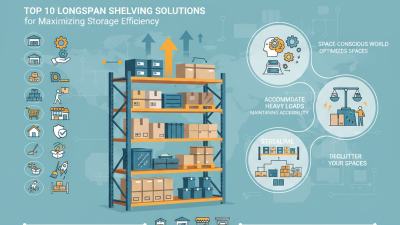
Longspan shelving commonly serves cartons, components, tools, and medium-weight stock. Typical systems offer 200–800 kg per level, but capacity depends on beam length, upright design, decking, and load distribution. Capacity is conditional.

A 2024 annual material-handling industry report surveyed more than 1,000 supply-chain professionals. It found that 55% planned to increase technology investment, reflecting stronger pressure for organized, adaptable storage. Longspan shelving supports this need through adjustable beam positions and clear hand-loading access. Core components include uprights, horizontal beams, diagonal braces, footplates, connectors, and steel or timber decking. Each part affects stability.

In practical warehouse inspections, uneven loading creates more risk than the advertised rating suggests. A 600 kg level may safely hold six evenly spaced cartons, yet one concentrated machine can distort the deck. Buyers should request tested capacities, deflection limits, material grades, and installation drawings. ANSI/RMI MH16.1 provides recognized design guidance for steel storage racks, while local seismic and floor requirements may change the specification. Check the slab too. An overlooked anchor detail can undermine a strong frame. Load plaques should state the allowable load per level, bay arrangement, and inspection date. The 2024 report also highlights labor and operational efficiency as continuing concerns, but faster picking should never replace correct loading discipline.

Top Longspan Shelving Suppliers for Global Buyers

Longspan Shelving Basics: 200–800 kg per-Level Capacity and Key Components

Longspan shelving is commonly specified in rated capacity bands from 200 to 800 kg per shelf level. The actual safe working load depends on beam span, shelf decking, upright geometry, load distribution, floor conditions, and the number of levels. Core components normally include uprights, horizontal beams, shelf decks, diagonal bracing, and locking connections.

Global Supplier Map: Manufacturers, Distributors, and Regional Coverage

Top Longspan Shelving Suppliers for Global Buyers

A reliable global supplier map starts with manufacturers that control steel processing, welding, coating, and load testing. These suppliers often serve large projects directly, including warehouses, workshops, archives, and retail backrooms. Their regional plants may reduce freight distance and simplify replacement-part availability. Buyers should request production records, structural drawings, and current load certificates before comparing prices.

Distributors add practical value in markets where local delivery and installation matter more than factory access. They usually maintain regional stock, arrange site surveys, and coordinate assembly teams familiar with local building conditions. In Southeast Asia, buyers may prioritize humidity-resistant finishes. European projects often require strict documentation and traceable materials. North American customers may focus on seismic considerations, clear aisle layouts, and rapid delivery.

Coverage can look impressive on a map, yet service quality varies between regions. Ask who handles damaged components, technical questions, and warranty inspections. Check whether measurements come from a trained surveyor or a rushed salesperson. Small details matter. A 100-millimeter error can disrupt an entire storage row. My own review process would not rely on certificates alone; documents can be outdated, incomplete, or poorly translated. Factory audits, reference installations, and sample load tests provide stronger evidence. Some suppliers still underestimate after-sales support, which remains a common weakness in cross-border projects.

Top Longspan Shelving Suppliers for Global Buyers - Global Supplier Map: Manufacturers, Distributors, and Regional Coverage

Regional Supplier Hub Typical Supplier Profile Common Market Coverage Typical Upright Height Typical Bay Width Typical Load Range per Level Common Standards or Compliance References Usual Delivery Model Buyer Considerations
East Asia High-volume manufacturers serving export and private-label projects Asia-Pacific, Middle East, Europe, Africa, and North America 1,800–3,000 mm 900–2,400 mm 200–800 kg Project-specific testing; export specifications; local structural requirements Container shipment, factory-direct supply, and distributor partnerships Confirm steel grade, coating thickness, packaging method, loading calculations, and spare-part availability
South Asia Fabricators and regional shelving producers focused on value-oriented projects South Asia, Gulf markets, East Africa, and nearby export destinations 1,800–2,700 mm 900–2,000 mm 150–600 kg Regional building codes, purchaser specifications, and product load testing Regional trucking, port export, and distributor-led installation Request corrosion protection details and verify whether the quoted capacity is uniformly distributed load
Central and Western Europe Engineered storage manufacturers and specialist warehouse-equipment distributors European Union, United Kingdom, North Africa, and selected Middle East markets 1,800–3,000 mm 900–2,500 mm 250–1,000 kg EN 15512, EN 15629, EN 15635, and FEM technical guidance where applicable Road freight, local stockholding, technical survey, and installation service Check seismic design requirements, inspection obligations, CE-related documentation, and installation scope
North America Industrial storage manufacturers, contract fabricators, and warehouse distributors United States, Canada, Mexico, and selected Caribbean markets 72–120 in 36–96 in 400–2,000 lb ANSI/RMI MH16.1, applicable building codes, and site-specific seismic criteria Domestic distribution, project delivery, field measurement, and installation Confirm imperial or metric dimensions, anchor requirements, permit needs, and engineering responsibility
Latin America Local metalworking producers and import-oriented warehouse-equipment distributors Mexico, Brazil, Southern Cone, Andean markets, and Central America 1,800–2,700 mm 900–2,000 mm 200–700 kg National construction codes, purchaser specifications, and structural load reports Local stock, cross-border trucking, import distribution, and project installation Clarify customs classification, replacement-part lead times, Spanish or Portuguese documentation, and after-sales coverage
Middle East Project suppliers, import distributors, and warehouse-fit-out contractors Gulf Cooperation Council markets, Levant, and North Africa 1,800–3,000 mm 900–2,400 mm 200–800 kg Local authority requirements, project engineering specifications, and corrosion-protection requirements Port import, regional warehousing, turnkey fit-out, and on-site assembly Specify temperature, dust, humidity, fire-safety, anchoring, and indoor or semi-outdoor use conditions
Australia and New Zealand Local industrial-storage suppliers and specialized import distributors Australia, New Zealand, Pacific logistics markets, and selected Southeast Asian projects 1,800–3,000 mm 900–2,400 mm 250–1,000 kg AS 4084 for steel storage racking where applicable, plus local building requirements Domestic stock, coastal freight, import distribution, and installation contracts Confirm metric dimensions, seismic conditions, corrosion category, and local inspection requirements
Africa Import distributors, regional fabricators, and warehouse-development contractors Southern Africa, East Africa, West Africa, and North African logistics centers 1,800–2,700 mm 900–2,000 mm 150–600 kg National building regulations, project specifications, and documented load testing Port import, regional distributor stock, and contractor-led installation Evaluate port-to-site logistics, coating durability, local labor capability, and availability of replacement components
Data note: Dimensions and load figures are typical industry reference ranges for longspan shelving and must be confirmed against the supplier’s tested configuration, beam span, shelf material, loading pattern, anchoring method, and applicable local regulations.

Technical Comparison: 1,800–2,700 mm Bays, Steel Grades, and Load Ratings

Top Longspan Shelving Suppliers for Global Buyers

For global buyers, bay width is more than a selling point. It changes beam deflection, frame stability, and usable storage space. A 1,800 mm bay usually suits lighter cartons and compact hand-loading areas. A 2,100 mm bay offers a practical balance for mixed inventory. At 2,400–2,700 mm, stronger beams and careful anchoring become increasingly important.

Steel grade affects performance, but grade alone does not prove capacity. S235 steel may suit standard frames, while S275 can support higher design stress when the structure is engineered correctly. Suppliers should provide beam load tables, upright profiles, connection details, and test references. Load ratings must state whether they apply per level, per bay, or per pair of beams. Floor condition, shelf spacing, and impact protection also matter. Ratings without these details are incomplete.

Tips: Ask for tested load charts. Check beam deflection limits. Confirm the finish for humid warehouses. Request drawings in millimetres. Do not compare price alone. A wider bay can reduce aisle count, yet it may need thicker sections and more floor reinforcement. I have seen buyers select a 2,700 mm system for apparent savings, then revise the layout after trial loading. That mistake is avoidable, but not always. A small pilot installation can reveal handling problems before full procurement.

Compliance Checks: EN 15635, ANSI/RMI MH16.1, and OSHA 1910.176(b)

Top Longspan Shelving Suppliers for Global Buyers

Compliance Checks: EN 15635, ANSI/RMI MH16.1, and OSHA 1910.176(b)

Global buyers should treat compliance evidence as a purchasing requirement, not a sales attachment. EN 15635 requires planned inspections, competent assessors, and documented responses to rack damage. Serious damage may require immediate unloading. ANSI/RMI MH16.1 focuses on structural design, load capacity, testing, and engineering assumptions. Ask suppliers for load tables, installation drawings, inspection procedures, and material traceability. A certificate without these details proves little.

OSHA 1910.176(b) requires stored materials to remain stable and secure against sliding or collapse. This affects beam levels, pallet condition, aisle clearance, and load placement. The U.S. standard does not replace engineering review. It sets a workplace safety expectation. HSE’s 2023/24 workplace statistics recorded 561,000 self-reported non-fatal injuries in Great Britain. Shelving is only one risk area, but poor storage can quickly turn a small impact into a falling-load event.

Supplier comparisons should include inspection training, anchoring specifications, permissible deflection, and replacement-part control. The 2024 MHI Annual Industry Report surveyed more than 1,000 supply-chain professionals, showing how widely operational capability now shapes investment decisions. That finding matters here. A low quote may hide weak documentation or limited after-sales support. I have seen technically sound layouts fail during daily use because operators overloaded one convenient level. The design was correct. The behavior was not. Ask who verifies the installed system, and keep the answer in writing.

Buyer Evaluation: MOQ, Lead Time, ISO 9001, Warranty, and After-Sales Support

Global buyers should treat MOQ as a capacity issue, not merely a purchasing number.
A quote for 50 bays may exclude custom beams, packaging, or replacement parts. Ask whether the MOQ applies per size, finish, or complete order. This detail affects warehouse planning and landed cost. Request a sample bay before approving a large shipment. Check beam fit, upright holes, coating thickness, and pallet stability.

Lead time should include production, inspection, and port preparation. Ask for a written schedule with milestone dates. Suppliers may promise 20 days, yet raw material delays can extend delivery. I have seen attractive schedules fail because approval drawings were late. That risk deserves attention. Confirm how changes are handled after order confirmation.

ISO 9001 certification can support process reliability, but buyers should verify its certificate scope and validity. It does not guarantee perfect shelving. Ask for inspection records, load-test methods, and corrective-action reports. Warranty terms should state coverage, exclusions, and response deadlines. A three-year warranty sounds strong until labor and freight are excluded. Clarify who supplies damaged parts and how quickly. After-sales support is more credible when the supplier provides one named contact, installation guidance, spare-part availability, and photo-based claim procedures. Keep every promise in the contract. Verbal assurances are easy to forget.