What is Storage Racking and How Can It Benefit Your Business?

In today's competitive market, efficiency is crucial for success. One effective way to enhance operational efficiency is through the use of storage racking. This system allows businesses to organize their inventory and maximize space effectively. A well-designed storage racking solution can lead to improved accessibility and reduced retrieval times.

However, implementing storage racking is not without challenges. Businesses must assess their specific needs to choose the right type of racking. Poorly planned systems can result in wasted space and increased costs. It's essential to seek expert advice to ensure the selected racking aligns with business goals.

Ultimately, storage racking plays a vital role in warehousing and inventory management. When done correctly, it can significantly benefit a business by improving overall productivity. Yet, businesses must continually evaluate their racking systems to adapt to changing demands. Reflecting on these aspects will lead to better outcomes and a more effective storage strategy.
What is Storage Racking and How Can It Benefit Your Business?

What is Storage Racking? An Overview of Types and Applications

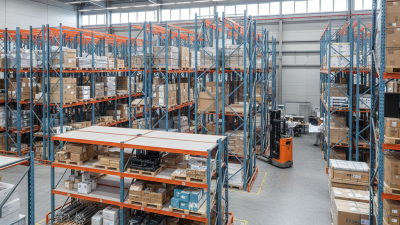
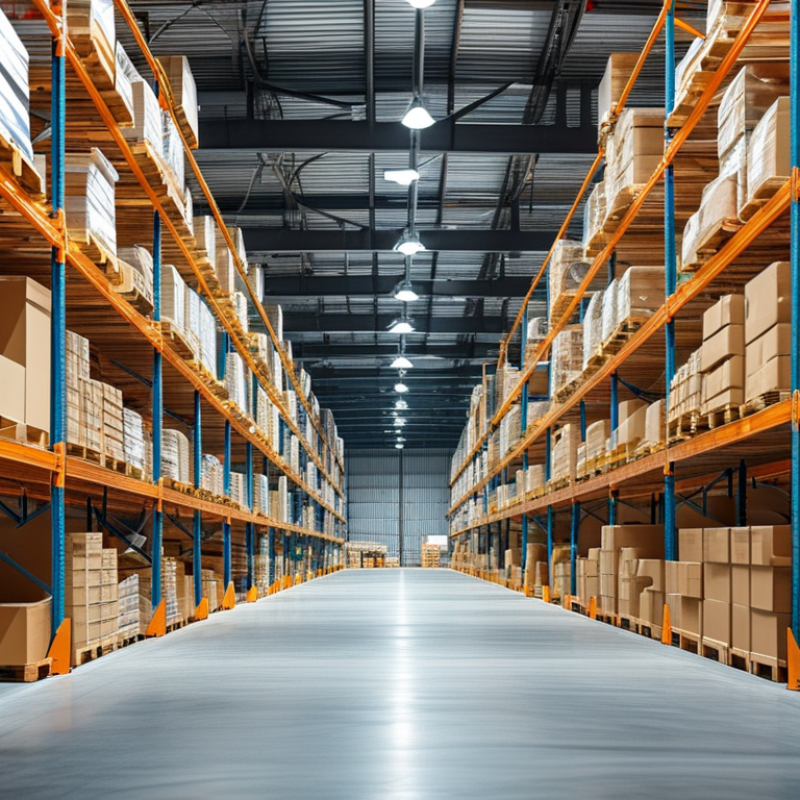
Storage racking is a crucial component of effective warehouse management. It refers to various shelving systems designed for storing products or materials. Understanding the different types can help businesses optimize space and improve workflow. Common types include pallet racking, shelving units, and cantilever racks. Each type serves unique purposes, catering to various inventory needs.

Pallet racking is ideal for bulk storage. It allows easy access to heavy items with minimal effort. Shelving units, on the other hand, are great for smaller goods. They're versatile and can fit different spaces. Cantilever racks are perfect for long items like lumber or pipes. These racks provide open access, making it easy to handle lengthy materials.

Integrating proper storage racking can significantly enhance operational efficiency. A well-organized system reduces time spent searching for items. It minimizes the risk of damage and accidents. Not every system will work for every business. Regular assessment and adjustment are needed to ensure effectiveness. Relying solely on one type of racking may lead to inefficiencies. Being flexible and responsive to inventory changes helps in maintaining a productive storage environment.

The Importance of Efficient Space Utilization in Warehousing

Efficient space utilization in warehousing is crucial for operational success. According to a 2022 report by the Warehousing Association, up to 30% of warehouse space goes underutilized. This inefficient use of space can lead to increased costs and lower productivity. Effective storage racking systems can significantly enhance space management. By maximizing vertical space and improving inventory accessibility, companies can reduce the footprint of their warehousing operations.

Research indicates that well-designed racking systems can boost storage capacity by as much as 50%. These systems facilitate organized stock management, allowing employees to locate items quickly. However, achieving this efficiency requires careful planning. Not all racking solutions fit every business model. Companies must evaluate their unique needs, inventory types, and storage requirements. Misalignment may result in congested spaces or inefficient workflows.

It's important to recognize that while investing in racking systems can yield returns, the initial costs can be daunting. Balancing cost and functionality is essential for sustainable practices. Companies should also consider the ongoing maintenance of racking systems. Regular checks and updates are necessary to ensure safety and compliance standards are met. Embracing a proactive approach to warehouse management can unlock hidden potential within existing spaces.

Key Benefits of Storage Racking Systems for Business Efficiency

Storage racking systems are essential for any warehouse or retail environment. They help organize products efficiently and maximize space use. According to the Warehousing Education and Research Council, effective racking can increase storage capacity by 30% to 50%. Such systems also streamline operations, enhancing the speed of inventory retrieval.

Efficiency is crucial in today's fast-paced market. A well-designed racking system can reduce labor costs by up to 20%, as workers spend less time searching for items. The National Association of Wholesaler-Distributors noted that proper racking reduces product damage and boosts fulfillment accuracy. Higher accuracy translates to better customer satisfaction, which is vital for retaining clients.

However, it's important to regularly assess racking systems for safety and efficiency. Over time, wear and tear can lead to inefficiencies. Routine evaluations can prevent potential accidents and ensure operational effectiveness. Balancing space, safety, and organization is an ongoing challenge, but critical for sustained business success.

Industry Statistics: Impact of Racking Systems on Inventory Management

Racking systems play a pivotal role in inventory management. According to a report by IndustryWeek, efficient racking can reduce inventory handling costs by up to 30%. This statistic highlights the direct cost benefits associated with implementing effective storage solutions. Companies that use advanced racking setups report improved order accuracy through better organization. This leads to increased customer satisfaction and loyalty.

Recent data from the Material Handling Industry Association (MHIA) reveals that businesses investing in racking systems see a 25% reduction in picking time. Efficiently stored inventory saves time for employees, allowing them to focus on higher-value tasks. However, not all racking solutions fit every business model. Companies are advised to evaluate their specific needs carefully.

There’s potential for improvement in many operations. A survey by Logistics Management showed that only 55% of companies have optimized their racking layouts. Many businesses still struggle with space utilization. This can lead to inefficient workflows. Reflecting on these statistics, it’s clear that optimizing storage racking systems is not just beneficial but essential for businesses aiming to improve their inventory management.

Impact of Racking Systems on Inventory Management

The chart above illustrates the significant improvement in the inventory turnover ratio before and after implementing a racking system in a business. The data indicates that the inventory turnover ratio increased from 5 to 12 after the racking system was installed, highlighting the efficiency gained through better inventory management practices.

Choosing the Right Racking Solution: Factors and Considerations

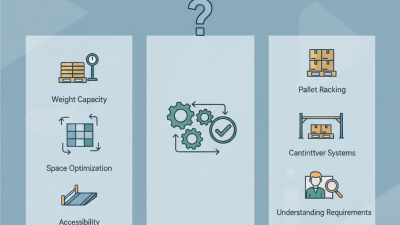
Choosing the right racking solution can be challenging. Various factors must be considered to meet your business needs. Start with your inventory type. Are you storing pallets, small parts, or heavy items? Each type requires different racking systems. For example, selective racking works well for pallets, but not for small items.

Next, evaluate your available space. Measure the height and width of your warehouse. This helps determine the racking height and layout. Adjustable racking systems can adapt over time, but they might have limitations. Consider future growth, too. Your business may expand, requiring more storage.

Don’t overlook safety regulations when choosing racking. Compliance with safety standards ensures a secure working environment. Additionally, think about accessibility. Easy access to items can improve productivity. However, some racking systems might complicate this. Balancing efficiency with safety can be a difficult task.

What is Storage Racking and How Can It Benefit Your Business? - Choosing the Right Racking Solution: Factors and Considerations

Racking Type Load Capacity (lbs) Best Suitability Advantages
Selective Pallet Racking 3000 General Warehousing Easy access to all pallets
Drive-In Racking 4000 Cold Storage High storage density
Push Back Racking 3500 FIFO (First In, First Out) Maximized space utilization
Mobile Racking 5000 High-density storage Flexible and space-efficient
Cantilever Racking 6000 Long, bulky items Easy loading and unloading