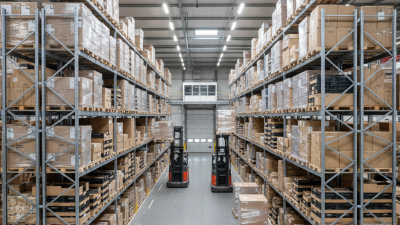
Pallet storage is a cornerstone of efficient supply chains, playing a vital role in logistics and inventory management. In fact, studies show that effective pallet management can reduce warehouse operational costs by up to 30%. This significant reduction can be attributed to better space utilization and streamlined stock handling. As businesses face increasing demand for faster delivery times, the importance of optimized pallet storage becomes even more evident.
The ability to store goods on pallets allows companies to reduce loading and unloading times, maximizing efficiency. In a 2022 report by Supply Chain Insights, 65% of logistics managers highlighted pallet storage as a key factor in improving delivery speed. However, challenges persist. Many organizations struggle with outdated storage systems that hinder performance. These inefficiencies can lead to inventory discrepancies, negatively impacting customer satisfaction.
Furthermore, effective pallet storage requires continuous evaluation of processes. Organizations must adapt to changing market conditions and consumer behavior. Embracing technology, such as automation and real-time tracking, is essential for staying competitive. Nonetheless, it is crucial to acknowledge that innovation comes with its own set of challenges. Balancing costs with the need for modernization is an ongoing concern for supply chain professionals. Thus, a strategic approach to pallet storage remains imperative for success.
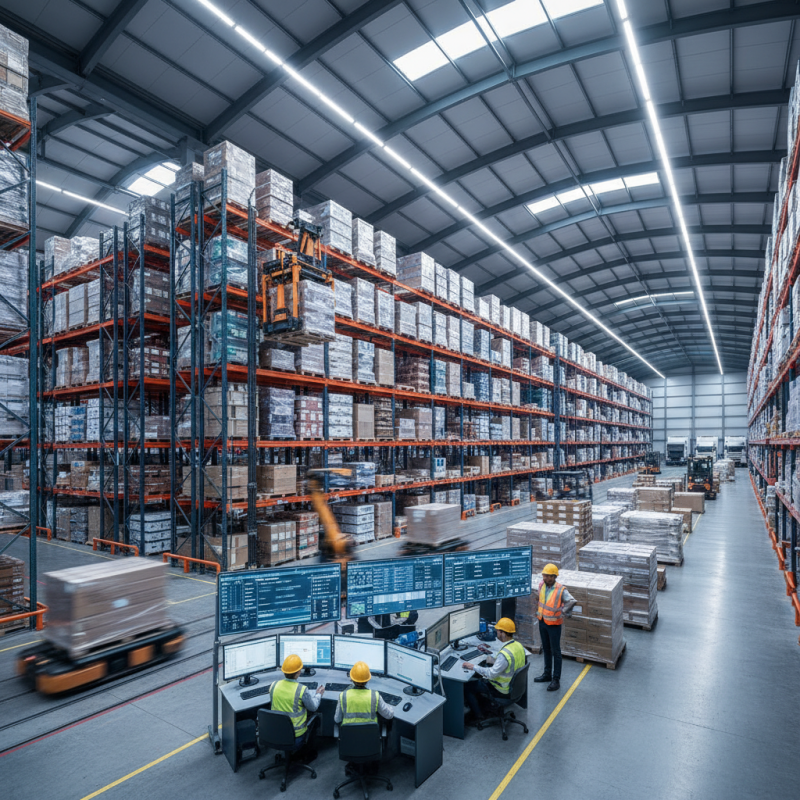
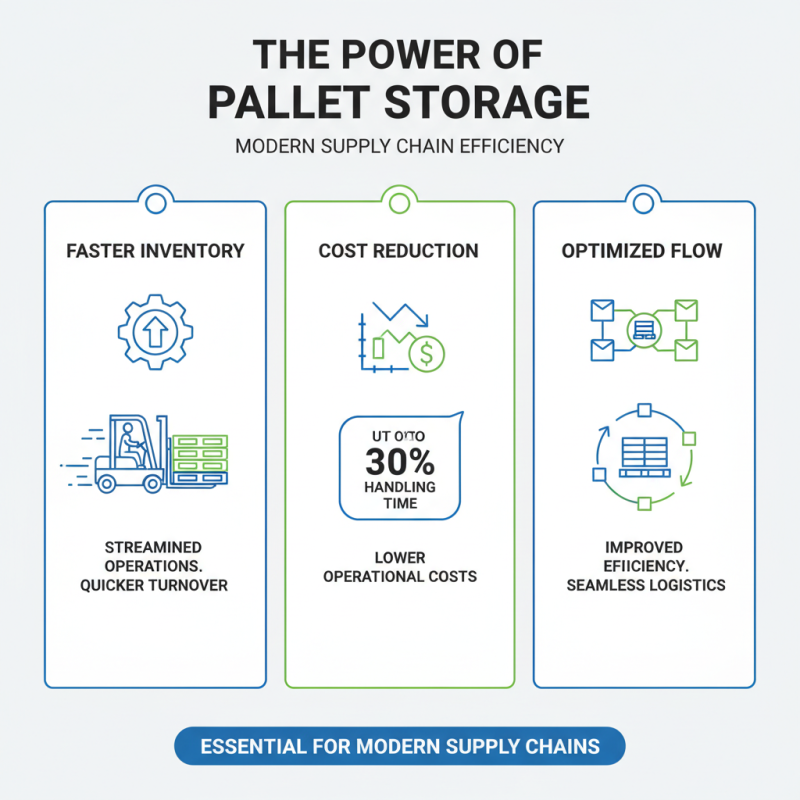
Pallet storage has become a cornerstone in modern supply chain management. Efficient pallet systems facilitate faster inventory turnover and streamline operations. According to a recent study, proper pallet management can reduce handling times by up to 30%. The efficiency of pallet storage directly impacts overall operational costs.
One key aspect of pallet storage is its role in maximizing warehouse space. Using standard pallets allows for optimized storage configurations. Research shows that effective pallet organization can increase storage capacity by 25% in many facilities. This capacity enhancement is crucial for meeting growing consumer demands without escalating overhead costs.
However, challenges exist. Improper palletization can lead to increased damage rates. A report indicates that up to 10% of product damage in warehouses is related to poor pallet management. Additionally, many companies struggle with inventory inaccuracies, stemming from inefficient pallet tracking. Addressing these issues is essential for maintaining a reliable supply chain.
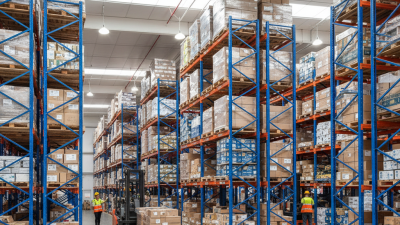
Pallet storage plays a crucial role in optimizing inventory management. By utilizing pallets, businesses can store goods more efficiently. This method maximizes vertical space in warehouses, allowing for better organization.
A well-implemented pallet system reduces product damage and enhances accessibility. As a result, employees can quickly retrieve items, improving overall workflow.
Moreover, utilizing pallet storage can lead to cost savings. It minimizes labor time spent on handling and searching for products. Efficient storage solutions can lower transportation costs as well. However, relying solely on pallets may lead to oversights. For instance, improper stacking can cause delays in inventory checks. Regular training and assessments are key to ensuring best practices.
Additionally, pallet systems must be regularly evaluated. What works today may not meet future needs. Companies should remain adaptable to changes in inventory volume or product type. Continuous improvement in pallet storage methods ensures long-term success. Balancing efficiency and flexibility is vital in today's fast-paced supply chain landscape.
Pallet storage plays a crucial role in the efficiency of distribution and logistics processes. It allows warehouses to optimize space and streamline operations. By using standardized pallets, businesses can easily stack and store goods, making retrieval quicker and reducing the time products spend in storage. Efficient pallet organization minimizes confusion, which can lead to costly errors.
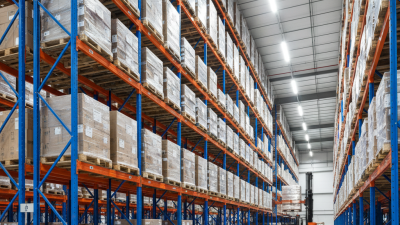
One area that often needs improvement is the arrangement of pallets. Many facilities do not utilize vertical space effectively. High ceilings can go waste without proper racking systems. This oversight can result in lower storage capacity and higher operational costs. Another common issue is a lack of clear labeling. Without signs to guide workers, the process can become chaotic.
When pallets are not maintained properly, damage is likely. Fragile goods may suffer during handling. This reflects on service quality and can harm customer relationships. Regular audits and staff training can address these shortcomings. Enhancing pallet storage practices can lead to significant improvements in logistics efficiency and overall productivity.
Implementing effective pallet storage solutions is vital for optimizing supply chains. A well-organized pallet storage system ensures the efficient movement of goods. It minimizes delays and enhances productivity.
Poorly designed storage can lead to chaos, increased labor costs, and wasted time. Carefully assessing your space and requirements can pave the way for improvement.
When choosing a pallet storage system, consider factors like space utilization and access methods. Utilizing vertical space can maximize storage capacity. However, overloading shelves can result in safety hazards. Equipment selection also plays a crucial role. Efficient forklifts boost retrieval speed, but not all facilities require the same type.
Regular audits of your pallet storage practices are essential. They help identify bottlenecks and inefficiencies. Training staff on best practices can't be overlooked. Knowledgeable employees can further enhance system effectiveness. Each warehouse is unique, and ongoing reflection is key. Tracking performance metrics can highlight areas for improvement. Explore better solutions continually.
Efficient pallet storage is crucial for optimizing supply chains. However, many businesses face common challenges. Space limitations often prevent efficient stacking. This leads to wasted area and longer search times. Not all warehouses are designed for easy access to pallets. Poor layout can result in delays during order fulfillment.
Another challenge is managing inventory. Companies struggle with tracking stock levels, which can lead to overstocking or stockouts. Without a reliable tracking system, errors increase. It is vital to implement tools that provide real-time visibility into inventory data. Regular audits also help in maintaining accurate records. Staff training on these systems is essential for success.
A lack of standardized pallet sizes can complicate storage. Different sizes result in inefficient use of space. Solutions include investing in adjustable racking systems. These can accommodate various pallet dimensions. Regular evaluations of storage methods are necessary. It ensures the system adapts to changing needs. Companies must remain flexible and ready to refine their strategies.