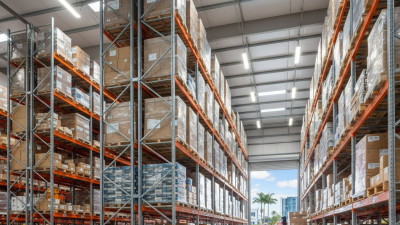
What is Pallet Shelving and How Can It Optimize Your Storage Solutions
Pallet shelving is a vital component in modern storage solutions, designed to maximize available space while ensuring easy access to goods. This system utilizes standardized pallets, allowing for efficient organization and retrieval of inventory in warehouses, retail environments, and manufacturing facilities. As businesses seek to improve their operational efficiency, understanding the multifaceted benefits of pallet shelving becomes essential in choosing the most effective storage strategies.
By implementing pallet shelving, organizations can optimize their storage capabilities, accommodating a wide range of products while minimizing floor space usage. The versatility of pallet shelving systems supports various pallet sizes and weight capacities, making them ideal for diverse industries. Furthermore, the easy reconfiguration of shelving units promotes adaptability in dynamic work environments, allowing businesses to respond quickly to changing inventory demands. In this article, we will delve into the key features of pallet shelving and explore how it can significantly enhance your storage solutions, streamlining operations and boosting productivity.
What is Pallet Shelving? An Overview of the Storage System
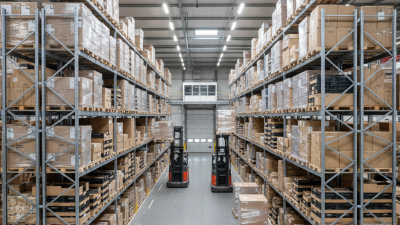
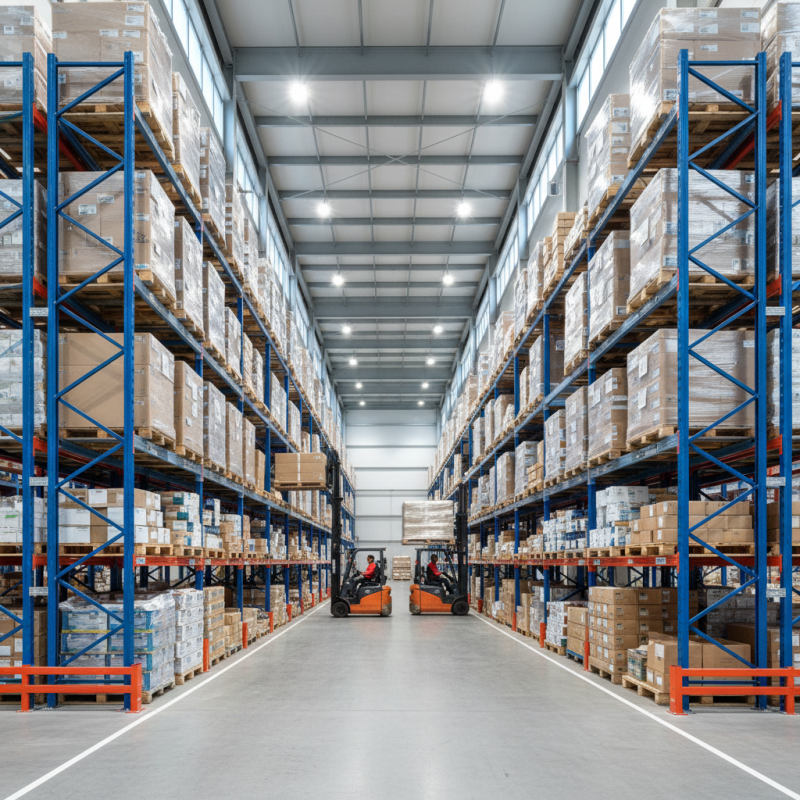
Pallet shelving is a highly efficient storage solution designed to maximize warehouse space while enhancing accessibility and organization. This system typically consists of horizontal platforms supported by vertical frames, allowing for the storage of heavy and bulky items on pallets. According to the Material Handling Industry of America (MHIA), pallet racking can increase storage density by up to 60%, making it an essential choice for businesses seeking to streamline their operations. This optimized space utilization not only reduces the footprint of storage areas but also enables more effective inventory management, leading to improved operational efficiency.
In terms of safety and versatility, pallet shelving systems are built to accommodate various sizes and weights of goods. A survey conducted by the Warehousing Education and Research Council (WERC) indicates that 70% of warehouses utilize pallet shelving as their primary storage method due to its durability and adaptability. The ability to customize these shelves to fit specific needs allows businesses to store a wide array of products, from small components to large machinery. Furthermore, the design of pallet shelving promotes better airflow and accessibility, minimizing risks associated with outdated storage methods and supporting a safer work environment for employees.
The Components of Pallet Shelving: Understanding Its Structure
Pallet shelving is a versatile storage solution that is engineered to optimize warehouse space while providing easy access to inventory. Understanding its structure is essential for maximizing its efficiency. The primary components of pallet shelving include upright frames, beams, and pallets. Upright frames are vertical supports that bear the weight of the shelves and help maintain stability. Beams are horizontal components that connect the frames and support the load, while pallets act as platforms to store goods. This fundamental layout is integral to creating a robust and functional storage system.
When considering pallet shelving for your storage solutions, remember these tips: ensure the upright frames are appropriately anchored to prevent tipping, especially in high-traffic areas. Additionally, assess the weight capacity of beams to match the items being stored, as overloading can compromise safety and infrastructure. Regular inspection of these components can also help identify wear and tear, ensuring that your pallet shelving remains safe and effective.
Another crucial factor is the layout of your pallet shelving system. Aim for an organized arrangement that minimizes the time spent retrieving items while avoiding clutter. Use a systematic approach to categorize products—group similar items together and label them clearly. This not only streamlines the picking process but also enhances inventory management, allowing for better tracking and reduced losses.
Benefits of Pallet Shelving for Businesses: Efficiency and Space Optimization
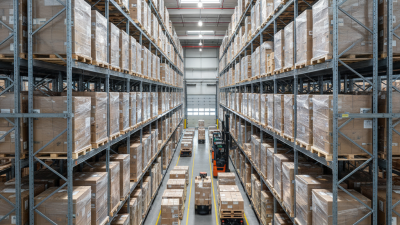
Pallet shelving is an innovative storage solution that significantly enhances efficiency and space utilization for businesses of all sizes. By utilizing vertical space, pallet shelving systems enable companies to store a greater number of goods within a limited footprint, leading to more streamlined operations. The adjustable nature of these shelving units allows for customization based on the types and sizes of products being stored, which provides flexibility as inventory needs evolve.
To maximize the benefits of pallet shelving, businesses should consider several tips. First, conducting a thorough inventory assessment can help determine the most effective layout for the shelving units, ensuring that frequently accessed items are placed at eye level for ease of access. Second, implementing a first-in-first-out (FIFO) inventory management system can minimize the risk of product spoilage and ensure a smooth workflow. Lastly, regular maintenance checks of the shelving units are essential to guarantee safety and longevity, allowing businesses to maintain a reliable storage solution.
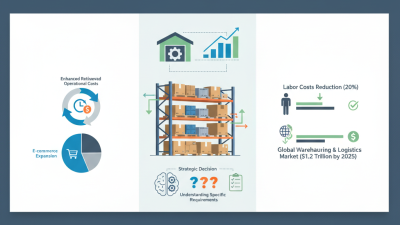
Moreover, pallet shelving can significantly reduce operational costs by minimizing the time employees spend searching for items. With a well-organized pallet shelving system, businesses can streamline their picking processes, which ultimately leads to improved productivity and customer satisfaction. Embracing this storage solution not only optimizes space but also enhances overall business efficiency.
How to Choose the Right Pallet Shelving for Your Needs
Choosing the right pallet shelving for your needs involves careful consideration of several key factors. Firstly, assess the type of items you will be storing. This includes evaluating the weight, dimensions, and packaging of your products. Different pallet shelving systems are designed to accommodate various load capacities, so selecting one that matches your inventory specifications is crucial for safety and efficiency. Additionally, consider the accessibility of your items. If frequent access is required, a shelving solution that allows for easy retrieval, like selective pallet racking, might be more suitable than a compact system, which maximizes space but limits visibility and accessibility.
Another important aspect is the available warehouse space. Measure the dimensions of your area and determine the height and width that can be utilized. Opt for adjustable pallet shelving if flexibility is necessary, allowing you to modify the layout as your inventory changes. Lastly, take into account your future growth plans. A system that can be expanded or reconfigured easily will save you time and money down the line. Balancing these factors will help you select the most effective pallet shelving solution that meets your current and future storage needs.
What is Pallet Shelving and How Can It Optimize Your Storage Solutions - How to Choose the Right Pallet Shelving for Your Needs
| Pallet Shelving Type |
Load Capacity (per shelf) |
Height (ft) |
Width (ft) |
Depth (ft) |
Best For |
| Selective Pallet Racking |
2,500 lbs |
8 |
4 |
3 |
General Warehousing |
| Drive-In Racking |
3,000 lbs |
12 |
4 |
3 |
High-Volume Storage |
| Push-Back Racking |
2,300 lbs |
10 |
4 |
3 |
SKU Management |
| Mobile Racking |
2,000 lbs |
9 |
4 |
3 |
Space Optimization |
| Cantilever Racking |
4,000 lbs |
10 |
4 |
3 |
Long and Heavy Items |
Best Practices for Installing and Maintaining Pallet Shelving Systems
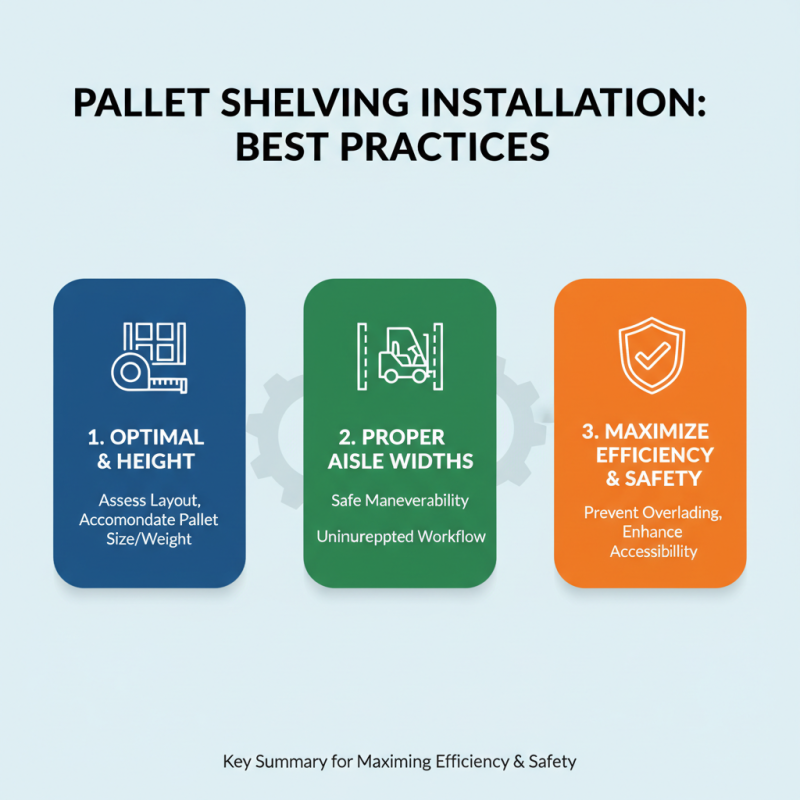
When setting up pallet shelving systems, adhering to best practices during installation is crucial for maximizing efficiency and safety. Start by carefully assessing the layout of your storage area to determine optimal spacing and height for the shelves. This ensures that the system accommodates the size and weight of the pallets being stored, enhancing accessibility and minimizing the risk of overloading. Additionally, it’s essential to maintain proper aisle widths to allow for safe maneuverability of forklifts and other handling equipment, keeping workflow uninterrupted.
Maintaining pallet shelving systems is equally important to ensure longevity and safety. Regular inspections should be conducted to check for signs of wear and tear, such as bent beams or damaged supports. Any issues identified should be addressed immediately to prevent accidents or storage failures. Implementing a routine maintenance schedule that includes cleaning and organizing products on the shelves can also optimize storage capacity and improve overall efficiency. By fostering a proactive approach towards installation and maintenance, businesses can fully leverage the benefits of pallet shelving systems, creating a safer and more productive storage environment.