10 Essential Tips for Choosing Longspan Shelving Solutions

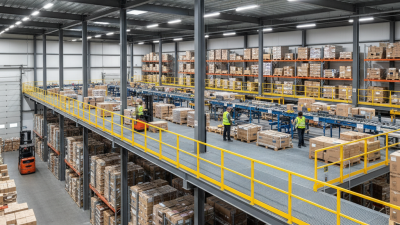
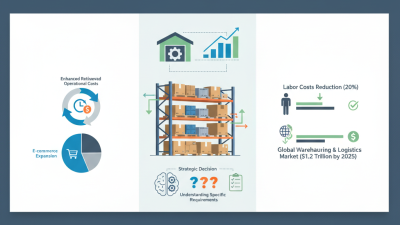
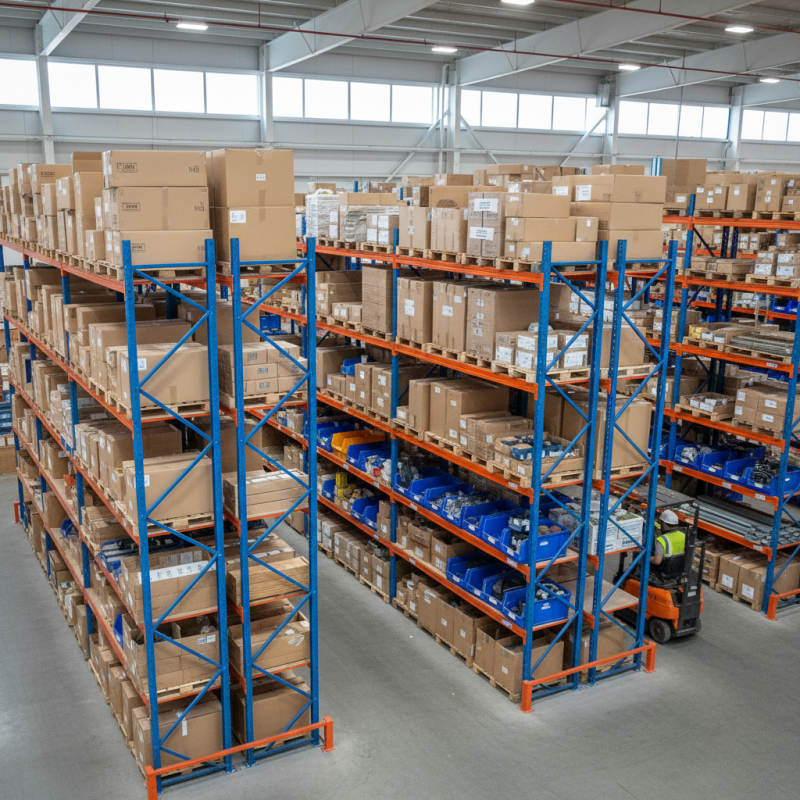
In today’s fast-paced industry, selecting the right longspan shelving is crucial for business efficiency. The global shelving market is projected to reach $4 billion by 2025, highlighting its importance in various sectors. Longspan shelving systems are known for their adaptability and strength, making them ideal for warehouses and retail spaces.

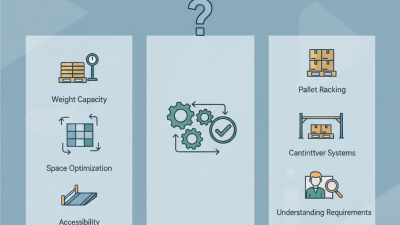
However, choosing the appropriate solution requires careful consideration. Many businesses overlook specific needs, leading to inefficient storage solutions. For instance, a study indicated that 30% of companies struggle with inventory management due to inadequate shelving systems. Investing time in understanding load capacities, shelf depths, and material types can significantly improve organization and safety.

To optimize space and enhance productivity, companies must reflect on their shelving choices. The solution may not always be the most expensive or trendy option. Sometimes, a simple longspan shelving system may surpass complex designs in practicality. Emphasizing these considerations ensures that businesses meet their operational demands while adapting to future challenges.
10 Essential Tips for Choosing Longspan Shelving Solutions

Understanding Longspan Shelving: Key Features and Benefits
10 Essential Tips for Choosing Longspan Shelving Solutions

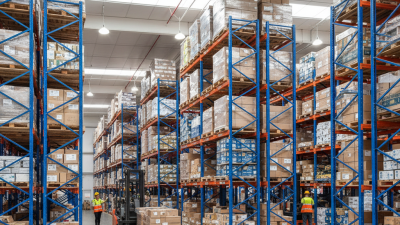
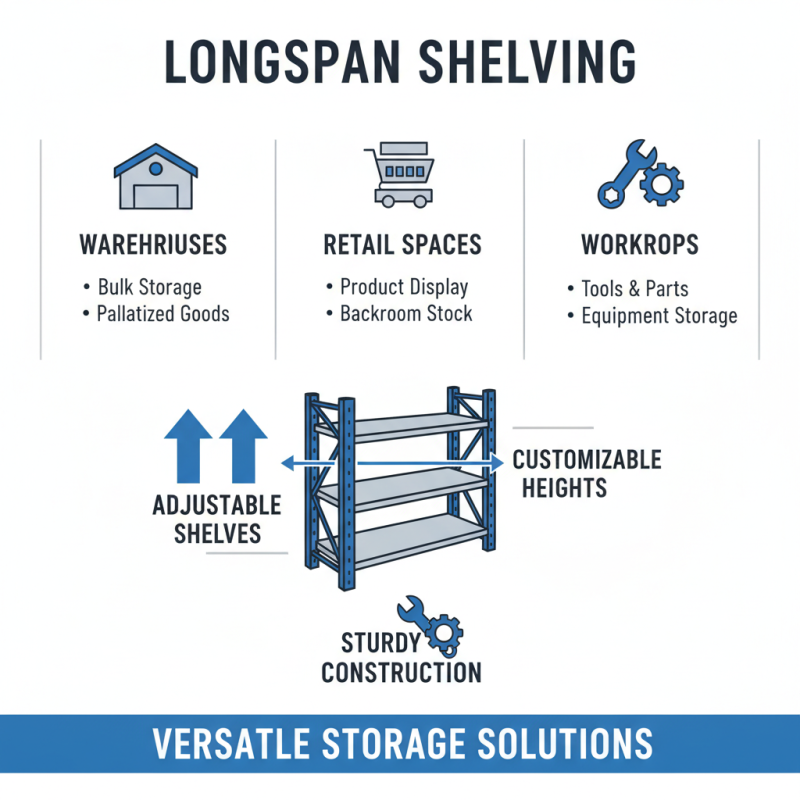
Longspan shelving provides versatile storage solutions for various environments. Its key features include adjustable shelves and sturdy construction, making it suitable for warehouses, retail spaces, and workshops. These features allow customization according to specific storage needs. One can easily change shelf heights, creating room for different item sizes. This flexibility enhances the capability of any storage area.

The benefits of longspan shelving are significant. It maximizes vertical space efficiently, which is critical in limited areas. A thoughtful arrangement can lead to better organization and improved accessibility. Some users may overlook the importance of proper installation, which can lead to instability. It's vital to reflect on this aspect to avoid potential hazards. Assessing the weight capacity is also crucial. Overloading shelves can cause damage and create safety risks. Being mindful of these details can create a safer, more functional storage environment.
Evaluating Load Capacity Requirements for Longspan Shelving Solutions

10 Essential Tips for Choosing Longspan Shelving Solutions

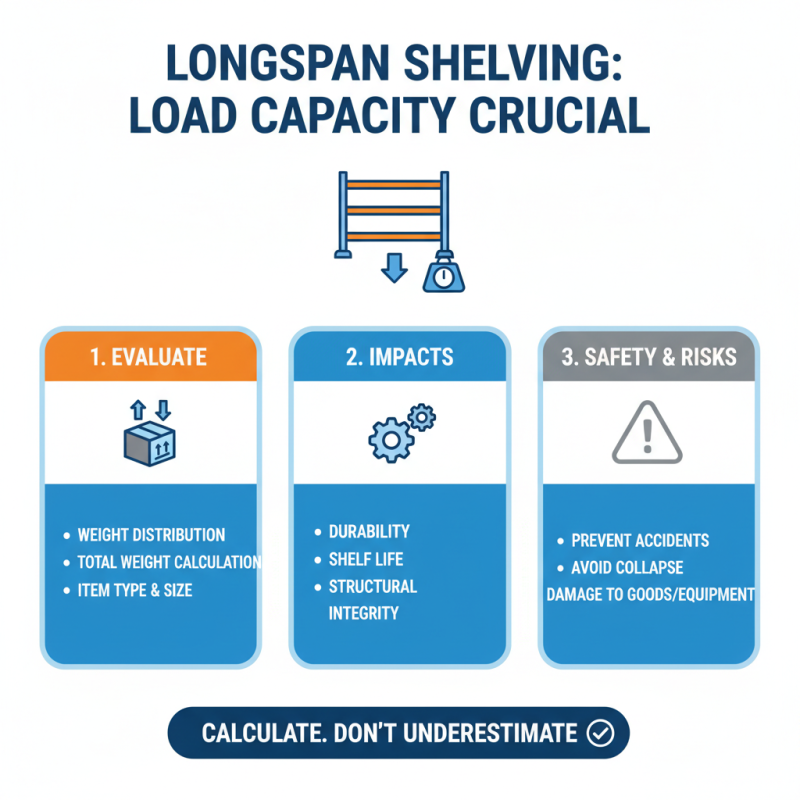
When selecting longspan shelving solutions, evaluating load capacity is crucial. The weight distribution of items directly impacts durability. It's essential to calculate the total weight of your stored goods before making a decision. Some underestimate the significance of load capacity. This mistake can lead to safety hazards and damage to the shelving.

Consider various factors affecting load capacity. The type of materials stored can vary greatly. Heavy machinery parts require more robust shelving than lightweight items like boxes. Assess the weight limits provided by manufacturers, but keep in mind these might not reflect real-world conditions. A shelf that seems adequate on paper may buckle under unexpected stress.

Additionally, think about future needs. Will your inventory increase? Planning for long-term usage can prevent frequent replacements. Shelving might need to be adapted later on. Keep an eye on how often shelves are accessed. Overloading can happen quickly with high-traffic areas. Regularly review and adjust weight distributions to avoid accidents and ensure longevity.

Material Selection: Steel vs. Alternatives for Longspan Shelving

When selecting longspan shelving, material choice plays a critical role. Steel is often favored for its strength and durability. It can hold heavy loads without sagging. However, its weight can be a drawback during installation. An alternative is aluminum, which is lighter but may lack the same load-bearing capacity. You need to consider your inventory’s weight and volume to make the right choice.

Another option is wood. It offers an aesthetic appeal and is easy to modify. However, wood may not withstand moisture and can warp over time. This can affect the shelving's longevity. Each material has its pros and cons. Reflect on your specific needs before deciding. Are you prioritizing strength, appearance, or weight? Your choice should align with your overall warehouse strategy.

Space Optimization Techniques When Implementing Longspan Shelving

When implementing longspan shelving, space optimization is crucial. Start by evaluating your available space. Measure the height and width of your area. Consider how each shelf will be used. Will it hold heavy boxes or lighter items? Knowing this helps in planning.

Think about vertical storage. Utilizing vertical space can double or triple your storage capacity. Use end caps and extensions wisely. They can fill gaps that often go unused. Take care to allow aisles that are wide enough for movement. Remember, safety is a priority. A cluttered space leads to accidents.

Additionally, frequent reassessment is necessary. As needs evolve, adjustments may be required. Changing inventory can alter your shelving needs. Be open to reconfiguring your setup. Embrace flexibility. Sticking to a fixed plan may hinder efficiency over time. Use labels for easy identification, but ensure they're easy to update.

Cost-Effectiveness: Comparing Longspan Shelving Investment vs. ROI

When considering longspan shelving, cost-effectiveness stands out. Understanding the investment versus return on investment (ROI) is crucial. Effective shelving solutions protect your dollars. An initial cost may seem high, but think about the durability. It saves on future replacements. Quality longspan shelving can last for years, making it a wise choice.

A good tip is to calculate the space efficiency. Maximizing shelving height and layout helps you store more. Consider your inventory needs. Are there seasonal spikes? Adjustable shelves can improve flexibility. Investing in adaptable solutions can yield considerable ROI over time.

Another aspect is maintenance. Poorly maintained shelves can lead to accidents and losses. Regular upkeep can save money. Assess the shelving’s design. Is it user-friendly? If not, it may cost more in time and efficiency. Solutions should also allow ease of access for products. The right choice blends functionality with long-term savings. Each decision shapes your cost landscape. Think critically about each option.