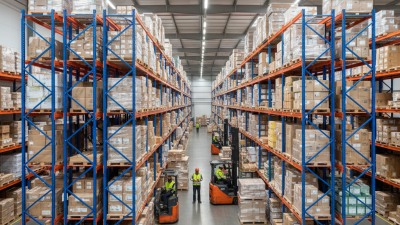
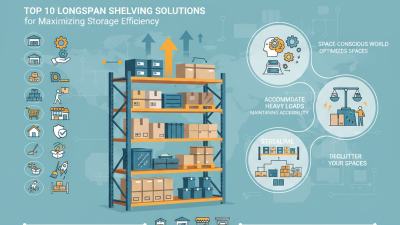
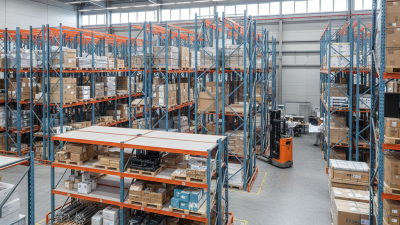
Choosing the right racking system can greatly influence your storage efficiency. John Anderson, a storage solutions expert, once said, “The right racking system can transform clutter into clarity.” This quote highlights the importance of selecting suitable racking for your needs.
Every business has unique requirements when it comes to storage. Factors like available space, the type of products, and accessibility are critical. Are you considering heavy-duty shelving or compact solutions? Each has distinct benefits and potential drawbacks. The wrong choice might lead to wasted space or damaged goods.
Moreover, it’s crucial to assess future needs. What if your inventory grows? A flexible racking system allows for changes. Think about how this impacts your overall efficiency. Analyze your operations carefully. Can your current setup adapt? These reflections can save time and costs later. A well-thought-out choice in racking systems is essential for optimizing your storage.
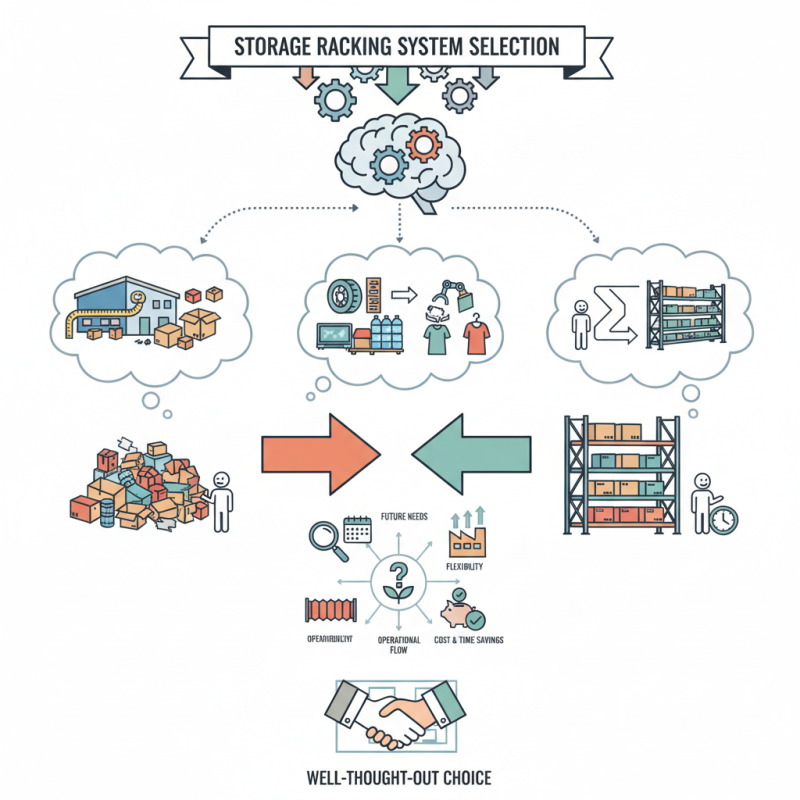
Understanding your storage requirements is crucial for selecting the right racking system. A survey by the Warehousing Education and Research Council indicates that 70% of warehouse inefficiencies stem from poor layout and disorganization. Assessing your available space, inventory types, and frequencies can lead to better efficiency.
Evaluate your storage volume. The average warehouse has about 27% wasted space due to improper racking systems. You may need adjustable racks for varying product sizes or heavy-duty racks for bulk items. Understanding the weight limits and dimensions of your products is essential.
Operational flow matters too. You need to think about the paths your team takes. A well-organized space minimizes traveling distance. Research suggests that efficient layout can improve picking speed by up to 25%. Measure the distance between the picking area and racking systems to reduce unnecessary movements. Balancing these factors is crucial for optimizing your storage space and workflow.
| Racking Type | Load Capacity (kg) | Ideal for | Space Efficiency | Accessibility |
|---|---|---|---|---|
| Selective Racking | 1000 - 3000 | Pallets and Stored Goods | Medium | High |
| Drive-In Racking | 1500 - 4000 | High-Volume Storage | High | Medium |
| Cantilever Racking | 2000 - 5000 | Long and Bulky Items | Medium | High |
| Pallet Flow Racking | 1500 - 3500 | FIFO Systems | High | High |
| Mobile Racking | 1000 - 3000 | Compact Spaces | Very High | Medium |
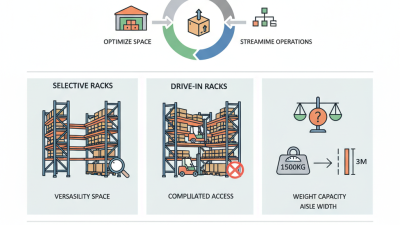
When it comes to selecting a racking system, understanding the types available is crucial. There's a variety of options designed for different needs. For instance, selective racking is the most common choice. It allows easy access to each pallet. According to industry reports, nearly 45% of warehouses use this system. It encourages efficiency but can waste space.
Drive-in racking is another popular option. This system maximizes storage in a limited space by allowing forklifts to enter the rack and retrieve pallets from the front. This type is beneficial for high-density storage but might require careful inventory management. Mismanagement can lead to chaos in such tight setups.
Tips: Consider the type of product you store. Heavy items might need bulk storage solutions, while small items can fit in shelving units. Remember the importance of aisle width for accessibility. Lastly, assess your growth projections. Choosing a racking system that can adapt or expand will save future costs.
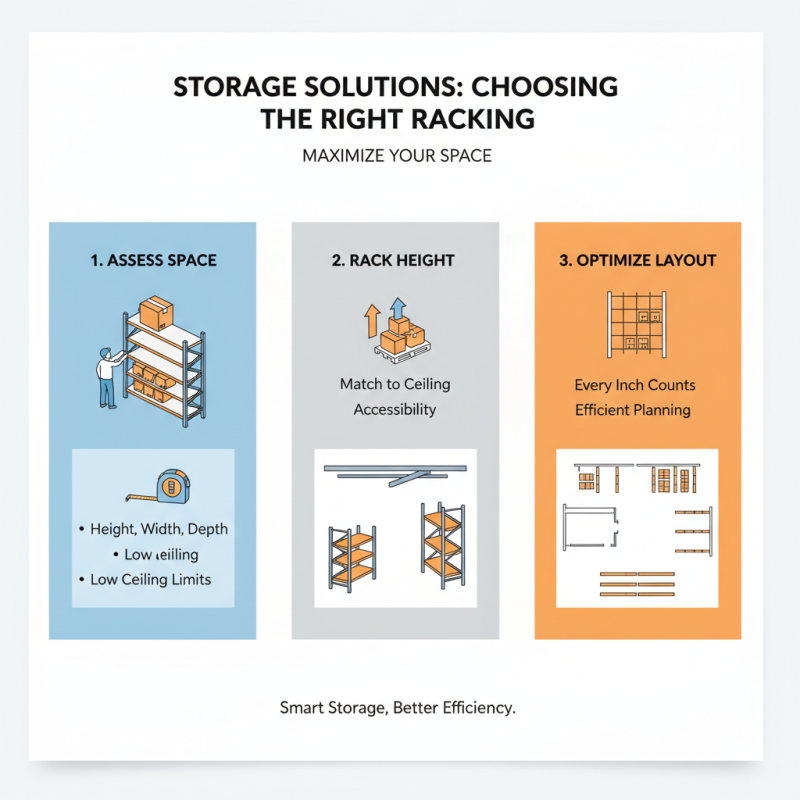
Choosing the right racking system is crucial for effective storage solutions. When evaluating options, consider the space available. Measure the height, width, and depth of your storage area. Consider how tall you want your racking to be. Low ceilings might limit your choices. A well-planned setup utilizes every inch efficiently.
Next, think about the items you'll store. Different products require different types of racking. Heavy items need sturdy racks, while smaller products may work on shelves or bins. Will you need easy access? Think about the layout. It can be frustrating to navigate through tight spaces. Also, reflect on your future growth. Will your storage needs change soon? Plan your racking system to adapt to these changes.
Finally, budget plays a big role. Some systems can be expensive. Quality should not be compromised for cost, but that doesn't mean you have to overspend. Assess the long term value. Sometimes cheaper options lead to complications later. It's critical to weigh the cost against your actual needs. A little research now can prevent bigger problems down the line.
When choosing a racking system, evaluating space is crucial. A well-organized warehouse uses space efficiently. According to a report by the Warehousing Education and Research Council, up to 30% of warehouse space can be wasted. This suggests that precise measurements are essential. Measure the height, width, and depth of the storage area. Consider the layout, too; aisle widths can limit access.
Load capacity is equally important. Each racking system has specific weight limits. Overloading can lead to equipment failure or accidents. The National Safety Council highlights that fork truck accidents are frequent in improperly managed storage areas. Knowing the maximum load per shelf helps prevent these risks. Be sure to account for the product weight and its distribution across shelves.
Beyond just numbers, think about flexibility. Storage needs can change over time. An adaptable racking system can accommodate varying types of products. Avoid rigid solutions that may not suit future requirements. Always ask basic questions: Will the system support different products? How easy is it to reorganize?
When selecting a racking system, maintenance and safety should be top priorities. Poorly maintained systems can pose risks. In fact, according to a report by the Occupational Safety and Health Administration (OSHA), improper handling of racking systems led to injuries in over 20% of warehouse accidents. Regular inspections can prevent these issues.
During maintenance, check for wear and tear. Inspect beams, foot plates, and connectors for damage. A small crack can turn into a major hazard. Ensure that all components are in good condition. Also, keeping your racking clean helps with safety. Dust can obscure potential hazards and create slipping risks.
Tips for safer racking systems:
- Schedule routine inspections every three to six months.
- Use appropriate safety gear during maintenance tasks.
- Train staff on proper loading techniques and weight limits.
Remember, safety is an ongoing commitment. The costs of accidents often outweigh the expenses of proper maintenance. Reflecting on past incidents can improve future safety measures. Prioritize racking system upkeep to secure a safer environment for everyone.