How to Choose the Best Guide Light Switches and Receptacles?

Choosing the right Guide Light Switches and Receptacles is essential for any lighting project. These components play a significant role in functionality and safety. With numerous options available, it can be overwhelming to make the right choice.

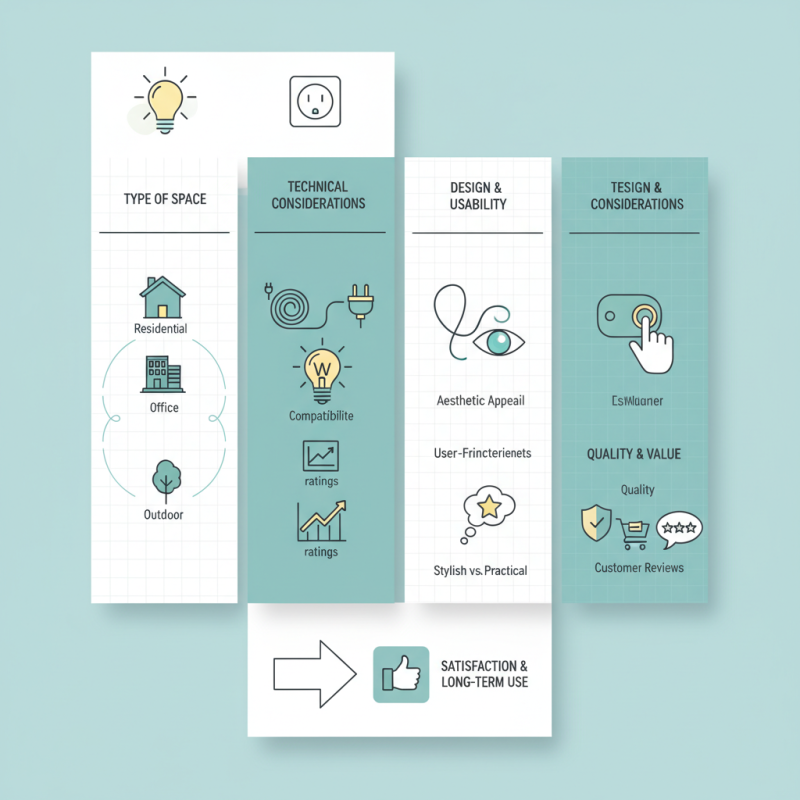
Many factors influence this selection process. First, consider the type of space where you will install them. Residential homes, offices, and outdoor areas each require specific solutions. You must also evaluate wattage ratings and compatibility with your lighting fixtures.

Additionally, think about aesthetic appeal and user-friendliness. A stylish switch can enhance a room's decor, while intuitive design improves daily usability. However, not every stylish option is practical. Some products that look good may fail under regular use. Exploring customer reviews can reveal both pros and cons. Prioritizing quality in conjunction with your budget is crucial. Ultimately, a well-informed decision will lead to satisfaction and long-term use of your Guide Light Switches and Receptacles.
How to Choose the Best Guide Light Switches and Receptacles?

Understanding the Basics of Guide Light Switches and Receptacles

When selecting guide light switches and receptacles, understanding their basics is crucial. Guide light switches help illuminate dark areas when needed. They can be useful in hallways, stairs, and bedrooms. Receptacles should provide a reliable power source for devices. Selecting the right types helps improve safety and convenience.

When choosing these items, consider the type of lighting used. LED lights are energy-efficient and long-lasting. Look for designs that match your home’s decor. Aesthetic appeal is important but should not compromise function. Ensure that switches are rated for the intended use.

Tips: Always check the voltage ratings. It’s vital to match them to your electrical system. Installation may require professional help for safety. If you are unsure about any wiring, consult an expert. Research different styles and features online for a well-informed choice. Your environment and needs should drive your selection process. Reflect on past choices. What worked? What didn’t?

How to Choose the Best Guide Light Switches and Receptacles?

Feature Guide Light Switches Guide Light Receptacles
Voltage Rating 120V, 15A 120V, 15A
Material Polycarbonate Thermoplastic
Color Options White, Ivory, Light Almond White, Black, Brown
Dimmer Functionality Available Not Applicable
Installation Type Wall Mounted Flush Receptacle
Lighting Type LED Compatible Standard Bulb
Safety Features Surge Protection Tamper Resistant

Factors to Consider When Choosing Guide Light Switches

When selecting guide light switches and receptacles, several factors require careful consideration. One critical aspect is compatibility with existing lighting systems. Research indicates that over 30% of homeowners face issues due to mismatched voltage ratings. Thus, understanding the voltage and current requirements before making a choice is imperative. Ensure the products can handle the load without failure.

Another factor is the design and usability of the switches. People prefer intuitive controls. According to industry data, about 40% of consumers prioritize ergonomic design when making their selections. A comfortable grip and responsive action make daily use more efficient. Lighting effectiveness also plays a role. Look for products that provide adequate illumination levels for your specific setting.

Lastly, consider the installation process. Complicated setups may deter proper usage. A report from the National Electrical Manufacturers Association states that nearly 20% of installation-related issues stem from unclear instructions. It’s essential to choose switches that come with straightforward guidelines or support. This minimizes frustration and enhances user experience. Balancing these factors leads to better decision-making in selecting guide light switches and receptacles.

Guide Light Switches and Receptacles - Key Factors to Consider

Types of Guide Light Switches: Pros and Cons

When considering guide light switches and receptacles, it's essential to weigh their various types against their advantages and disadvantages. Traditional guide light switches are often the most common choice. They are simple to install and widely available. According to a 2022 report from the National Electrical Manufacturers Association (NEMA), approximately 65% of households still use these older models. However, they may lack energy-efficiency features, leading to higher electricity consumption over time.

On the other hand, smart guide light switches are becoming increasingly popular. These switches offer remote control and scheduling options. A survey conducted by the Consumer Technology Association found that only 30% of consumers have adopted smart technology in their homes. Many people are still unsure about security and compatibility issues. While they can save energy, the initial cost is often a drawback. The trade-off between convenience and price remains a subject of debate.

Dimmable guide light receptacles can create ambiance. They allow users to adjust lighting based on mood and activity. Achieving the right lighting level can enhance comfort and productivity. Yet, data shows that many homeowners fail to utilize such features properly. Misunderstandings about installation and operation can lead to frustration. Weighing these pros and cons is crucial for making an informed decision.

Evaluating Receptacles for Optimal Performance

When selecting receptacles, performance is key. Various studies show that nearly 30% of electrical failures are due to subpar connections. This statistic highlights the importance of choosing reliable receptacles. Look for options that limit voltage drop, as excessive drop can lead to device malfunctions. Ideally, receptacles should accommodate varying loads while ensuring a consistent power supply.

Lifespan and durability matter too. According to the NATIONAL ELECTRICAL MANUFACTURERS ASSOCIATION (NEMA), quality receptacles can operate for over 10,000 cycles. This capability is crucial for areas with frequent plug and unplug activities. Consider materials used in the construction. High-grade thermoplastic or metal can resist wear and tear, making them a better choice for heavy-duty applications.

Some designs might appear visually appealing but underperform. Always check for certifications. UL listed products ensure safety and reliability. Testing every choice against your specific needs can minimize future headaches. Investing time in evaluation can lead to better long-term outcomes. Consider gathering reviews from credible sources, as user experiences can offer vital insights into potential issues or hidden benefits.

Safety Standards and Regulations for Guide Light Switches

When selecting guide light switches, it’s crucial to consider safety standards and regulations. These guidelines ensure devices are safe for use and meet performance requirements. Compliance with standards such as UL or IEC is essential. These can provide information about the electrical safety and reliability of products. Devices that do not meet these standards may pose risks.

Regular testing of guide light switches also plays a vital role. Checking for proper functioning ensures users can rely on them during emergencies. Over time, wear and tear can affect performance. If a switch flickers or fails, it may indicate deeper issues. Proper installation is another critical aspect. Insufficient installation can lead to short circuits or electrical faults.

Attention to detail can make all the difference. Inspecting devices regularly helps maintain safety. Users should understand how to identify potential hazards. Labeling pathways and understanding electrical codes are helpful in ensuring compliance. This proactive approach promotes a safer environment for everyone. Balancing aesthetics with safety should always be prioritized.