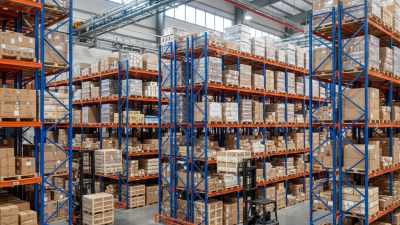
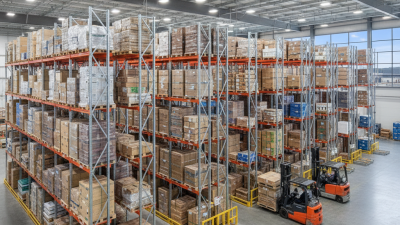
Choosing the right warehouse storage racks is essential for efficient operations. Every warehouse has unique requirements. The right racks can enhance space utilization and improve workflow.
When selecting warehouse storage racks, consider key factors. Evaluate the types of products you store. Heavy items may need robust, industrial-grade racks. For lighter items, standard options may suffice. Think about accessibility and organization. Improper rack selection can lead to bottlenecks.
Mistakes in rack choice can cause safety issues too. Always ensure racks comply with safety standards. Understand your inventory turnover rates. This could influence the type of warehouse storage racks you need. Assessing current and future needs is crucial. Effective planning can save costs and increase efficiency.
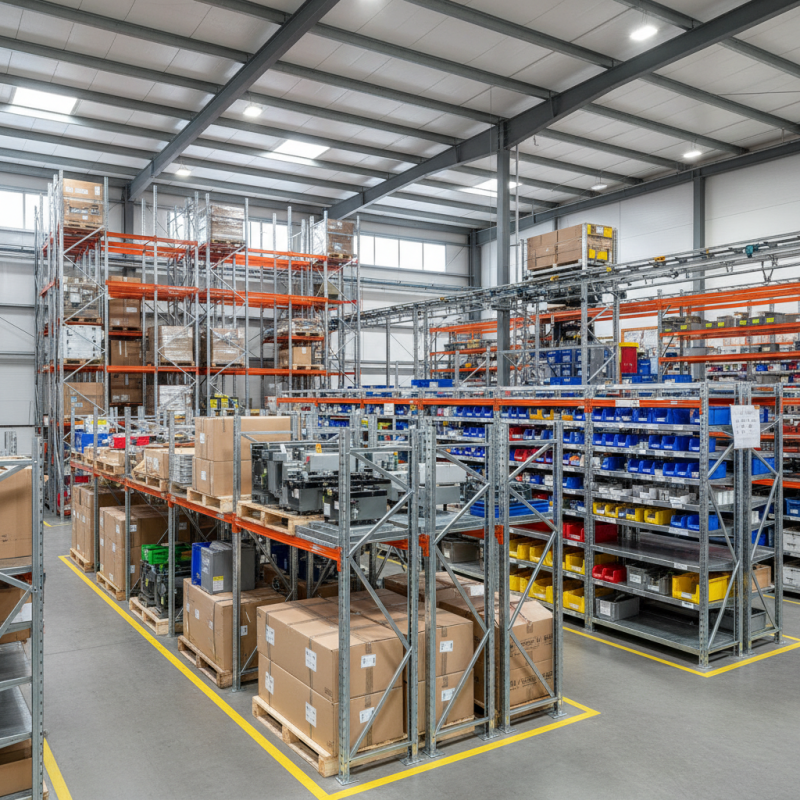
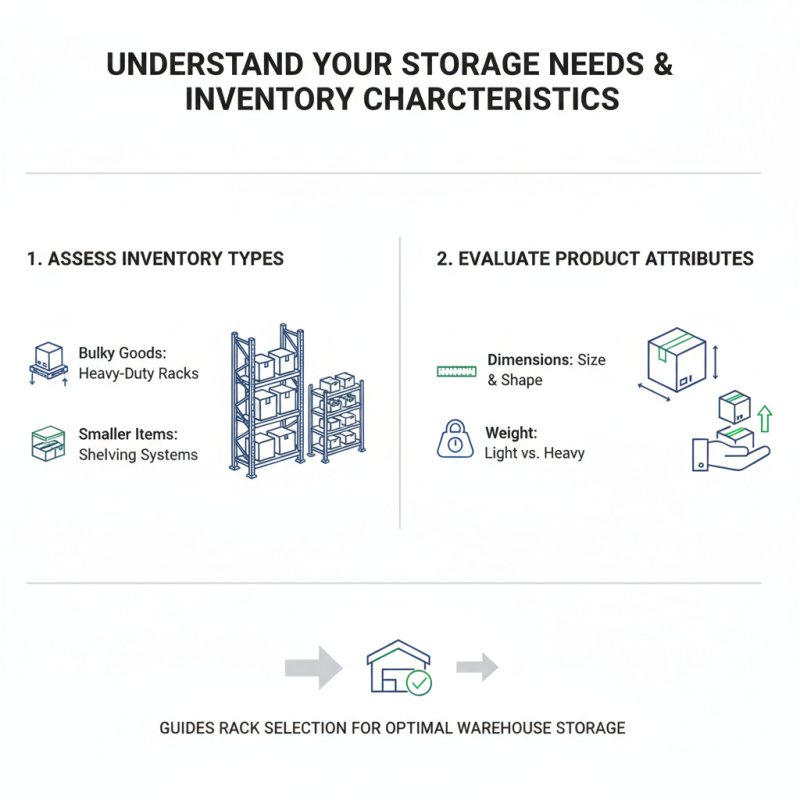
Understanding your storage needs is vital for choosing the right warehouse storage racks. Begin by assessing the types of inventory you handle. Different items require different storage solutions. For example, bulky goods may need heavy-duty racks, while smaller items suit shelving systems. Evaluate the dimensions of your products and their weight. This step will guide your selection more effectively.
Next, consider how often your inventory moves. High-turnover items should be easily accessible. This means choosing racks that offer quick visibility and retrieval. You might need adjustable shelving for varying inventory sizes. Think about aisle width too; it affects maneuverability. Should you use pallets or bins? Each option has trade-offs. Reflect on your current workflow; inefficiencies can arise from mismatched storage solutions.
Lastly, don't overlook your warehouse layout. Evaluate available space and height restrictions. Sometimes, vertical storage pays off. It maximizes floor space but may complicate access. Balancing accessibility with space efficiency is crucial. Regularly reassess your storage needs as your inventory grows or changes. This reflection ensures your storage setup remains optimal.
When selecting the right warehouse storage racks, understanding the different types available is crucial. There are several styles to consider, such as pallet racks, cantilever racks, and shelving units. Each type serves a unique purpose, tailored to specific storage needs. For instance, pallet racks are ideal for bulk storage and heavy loads, while cantilever racks fit long items like pipes or lumber perfectly. Shelving units, on the other hand, cater to smaller items and provide easy access.
Evaluating these racks involves assessing your warehouse layout and inventory types. Do you have a high ceiling? Maybe a vertical storage solution is beneficial. Are you storing varied item sizes? A mix of different rack types might be needed. Remember, choosing the wrong rack type could limit space or hinder access. Regularly re-evaluating your storage solutions is vital. Needs change over time. Adapting to these changes ensures efficiency and can reduce operational costs. Look for flexible options that can evolve with your business.
| Rack Type | Capacity (lbs per level) | Height (ft) | Width (ft) | Depth (ft) | Best For |
|---|---|---|---|---|---|
| Selective Pallet Racks | 3000 | 12 | 4 | 3 | Pallet Storage |
| Drive-In Racks | 4000 | 16 | 8 | 4 | Bulk Storage |
| Shelf Racks | 600 | 8 | 6 | 2 | Retail Items |
| Cantilever Racks | 2000 | 10 | 6 | 3 | Long Items |
| Mobile Racking | 3500 | 14 | 5 | 3 | Efficient Space Use |
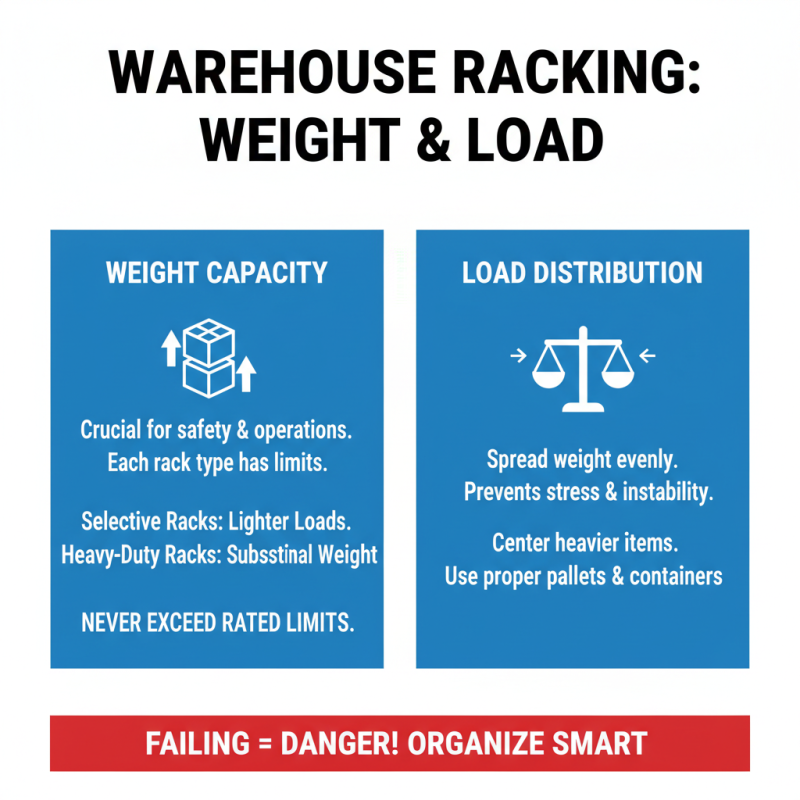
When choosing warehouse storage racks, weight capacity and load distribution play crucial roles. You must understand the specific needs of your operation. Each rack type is designed for different loads. For example, selective racks can hold lighter loads, while heavy-duty racks support substantial weight. Knowing the weight capacity of your racks is vital. Failing to do so could lead to dangerous situations.
Load distribution is equally important. It affects stability and safety in your warehouse. Improperly distributed loads can lead to racking failure. This can cause serious injury or damage to inventory. Consider the dimensions of your goods. Ensure the racks are configured to accommodate their shapes and sizes. Regularly check the condition of your racks. Over time, wear and tear may affect their strength. It’s easy to overlook these details, so regular inspection is key to maintaining safety and reliability.
Assessing warehouse space and layout is crucial for optimal rack placement. According to a study by the Warehouse Education Research Council, an efficient layout can improve storage capacity by up to 30%. Understanding the available space helps in selecting the right type of racks. Measure the height, width, and length of the area. Consider factors such as aisle width and accessibility. Insufficient space planning may lead to congestion and inefficiencies.
Properly evaluating the warehouse layout can also enhance safety. Compliance with OSHA guidelines is essential. Crowded aisles increase the risk of accidents. A clear and organized layout allows for better navigation and quicker access to inventory. Research shows that organized storage can reduce picking time by 15%. This leads to faster order fulfillment and improved customer satisfaction.
However, maintaining an optimal layout requires ongoing assessment. Regular audits can identify areas where improvement is needed. It’s vital to adapt the layout as inventory types and volumes change. Flexibility is key in responding to market demands. Prioritizing space evaluation can help, but it requires constant attention to detail. An evolving warehouse is more likely to meet future challenges effectively.
When considering warehouse storage racks, budgeting and cost factors play a significant role. The initial cost of the racks is just the beginning. You must also factor in installation fees and potential maintenance costs. Choosing durable materials may mean higher upfront expenses but can lead to savings over time. Investing in quality racks reduces the need for frequent replacements.
Space utilization is another important aspect. Effective storage solutions maximize available space. It’s essential to evaluate your inventory levels and future growth. If you anticipate expanding your inventory, selecting adjustable or modular racks may prove beneficial. However, these options can be more costly initially, so careful financial planning is necessary.
Lastly, consider additional features that enhance functionality. Safety features, load capacities, and accessibility enhancements can increase the overall price. It's essential to weigh these benefits against your budget constraints. Not all racks will serve your specific needs. Therefore, careful analysis of your requirements and financial capabilities is crucial. Assessing both popular options and cost-effective alternatives can yield satisfactory results without overspending.