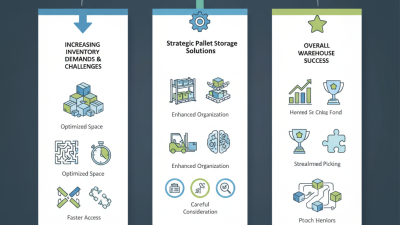
When managing a warehouse, selecting the right pallet rack shelving is crucial. The right choice impacts efficiency and safety. A well-designed shelving system can optimize your storage space and improve accessibility. It's essential to understand the types of pallet rack shelving available. Different styles cater to varying needs and inventory types.
Consider the weight capacity and size. Some racks are better for heavy loads, while others suit lighter items. Choosing pallet rack shelving without proper evaluation can lead to problems. Overloaded racks may cause accidents or damage. Always ensure the materials and construction of the racks meet your warehouse standards.
Evaluate your inventory turnover rate. Fast-moving items often require different shelving than slower ones. Think about future needs, too. Your shelves should adapt as your business grows. The perfect pallet rack shelving is a blend of current needs and future flexibility. This thoughtful approach leads to a more efficient warehouse operation.
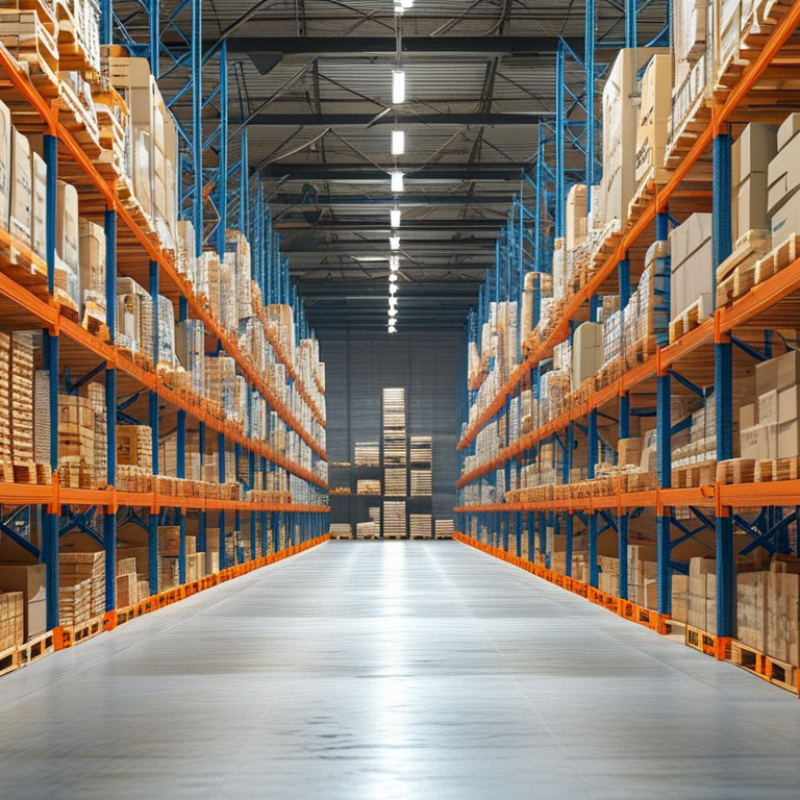
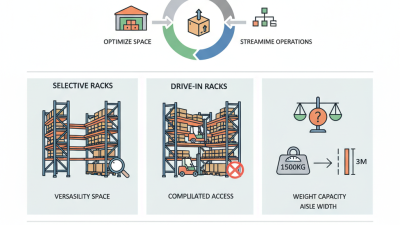
Choosing the right pallet racking system is crucial for a warehouse. Various types exist, each tailored to specific needs. Selective racking is the most common choice. It allows easy access to individual pallets. However, it may require more space than other systems. Drive-in and drive-thru racking are suitable for high-density storage. They use less aisle space but can make item retrieval more complex.
Another option is cantilever racking, ideal for long or bulky items. It provides flexibility but may limit access. Consider mobile racking solutions for dynamic environments. These systems save space but can be costly. Evaluating your inventory turnover and storage space is vital. Balance between accessibility and storage capacity can feel overwhelming.
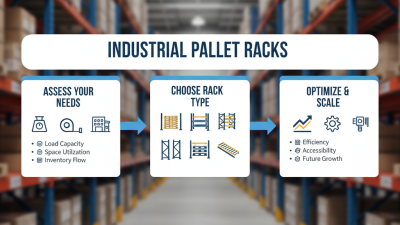
Reflecting on your specific needs often reveals limitations in existing systems. It's essential to analyze current warehouse operations and potential growth. Regularly reassessing racking systems can uncover opportunities for improvement. This approach can enhance efficiency and adapt to changing requirements effectively.
Choosing the right pallet rack shelving for your warehouse can be complex. It starts with a thorough assessment of your available space. Measure the height, width, and depth of your storage area. This includes accounting for any obstacles. Shelves must fit comfortably without blocking access or creating hazards.
Load requirements greatly influence your choice as well. Consider the weight of the items you’ll store. Calculate the total weight and distribute it evenly across the racks. Storing heavy products on higher shelves can lead to instability. A potential risk exists here, so review guidelines on load capacities to ensure safety.
When it comes to pallet racks, flexibility is key. Opt for adjustable shelving if your inventory changes frequently. This allows you to adapt the configuration without needing a complete overhaul. Regularly revisiting your storage needs keeps your system efficient and may highlight areas for improvement. Balancing capacity with safety is crucial in optimizing your warehouse's potential.
Choosing the right pallet rack shelving for your warehouse involves assessing how these systems integrate with your material handling equipment. Compatibility is vital for maximizing efficiency and safety. Analyze the specifications of your forklifts, pallet jacks, and other equipment before making a decision. Clearances, weight capacities, and maneuverability all play essential roles.
Inspect the shelving materials and design to ensure they support the equipment you use. A mismatched combination can lead to operational inefficiencies or even accidents. Make sure to evaluate whether your racks can accommodate the different sizes of pallets that your equipment handles. It's also crucial to consider the frequency of use. Heavy loads will require more robust shelving materials.
Finally, regularly revisit your shelving solutions. As your inventory evolves, you may need to adapt your shelving layout. Staying aware of advancements in material handling solutions can lead to better choices. Reflecting on your current setup can reveal areas for improvement. Make incremental changes based on feedback from your team. Encourage input to ensure the racks meet both operational needs and safety standards.
When selecting pallet rack shelving for warehouses, safety standards are paramount. Adhering to industry guidelines can prevent dangerous accidents. In 2022, the Occupational Safety and Health Administration (OSHA) reported that improper storage practices led to over 1,000 injuries in warehouses. These statistics underline the importance of compliance with safety regulations.
Different regions have specific compliance standards. For instance, the American National Standards Institute (ANSI) has set clear guidelines that all warehouse operations should follow. The need for regular inspections and maintenance is a critical point of these standards. A study by the Rack Manufacturers Institute (RMI) found that regular safety audits can reduce incidents by as much as 30%.
Employee training is another vital component of safety compliance. A workforce that understands the risks and the correct usage of pallet racks can significantly reduce accidents. Surprisingly, many warehouses fail to prioritize training despite evidence suggesting it minimizes risks. Ignoring these aspects can lead to not only financial losses but also jeopardize the wellbeing of staff. Proper implementation of safety standards and consistent monitoring are vital for effective warehouse management.
Budgeting for pallet rack installation requires careful planning. According to the Storage Equipment Manufacturers Association (SEMA), costs for purchasing and installing pallet racks can range from $10 to $40 per square foot. This variation often depends on factors like the size of the warehouse and the complexity of the installation. Maintenance costs should also be factored in. Regular inspections and repairs can add an additional 5% to 15% of the total installation cost annually.
Understanding the long-term investment is essential. While high-quality racks may have a higher upfront cost, they often require less maintenance and offer better durability. Industry reports suggest that investing in robust systems can lead to savings of approximately 30% in operational costs over time. Efficiency in warehouse operations can decline with poorly chosen or maintained racks, leading to lost productivity.
Consider consulting with storage specialists when making decisions. They can provide insights that align with your specific needs, helping you avoid common pitfalls. Reflect on previous warehouse systems to identify what did not work. It’s vital to select systems that grow with your business, as your operational needs may change.