Why Choose Cement Batch Plants for Your Construction Needs?
Cement Batch Plants play a crucial role in the construction industry. The demand for concrete is projected to reach 14.6 billion metric tons by 2025, according to industry reports. This growth highlights the need for efficient production methods. Utilizing Cement Batch Plants can significantly enhance project timelines and reduce costs.
Cement Batch Plants offer precise control over concrete quality. In fact, studies show that batching errors can lead to material waste, costing projects up to 5% of their budget. Accurate measurements ensure optimal material usage. Additionally, modern plants can produce mixed designs that meet specific engineering standards. This adaptability minimizes risks associated with material inconsistencies.
However, operating a Cement Batch Plant requires careful consideration. From maintenance to workforce training, challenges exist. Investing in technology is essential for efficiency, but it requires ongoing financial commitment. These factors highlight the need for informed decision-making. Proper analysis can lead to improved productivity and better resource management in construction projects.
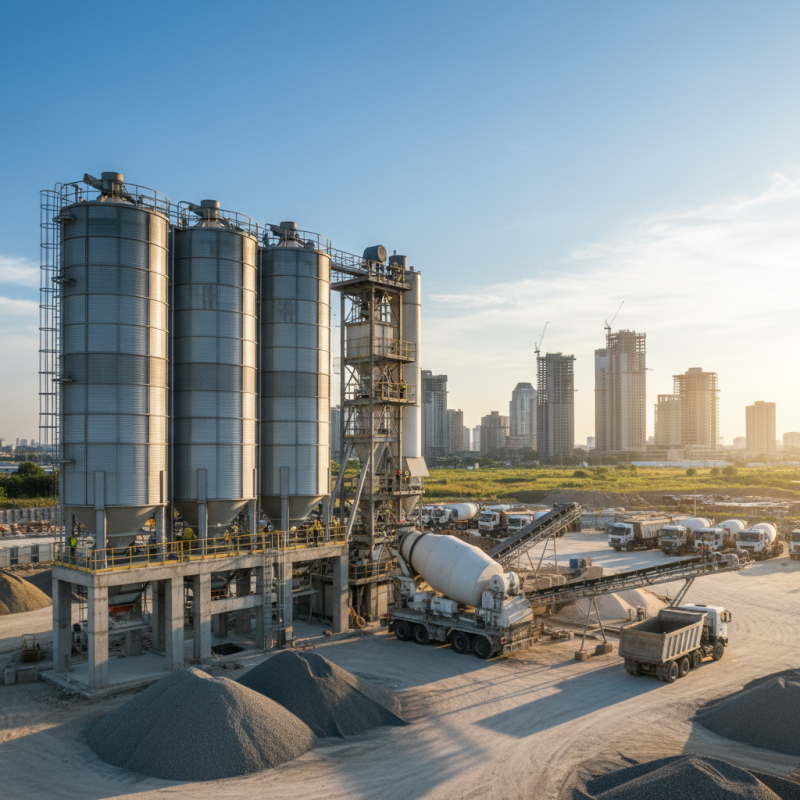
Benefits of Using Cement Batch Plants in Construction Projects
Cement batch plants play a vital role in modern construction projects. They offer flexibility and efficiency, important factors in today’s fast-paced environment. One major advantage is the ability to produce concrete on-site. This reduces transportation costs and the risk of material waste. Freshly mixed concrete enhances performance, ensuring optimal strength and durability in structures.
Another benefit is the control over mix design. With a cement batch plant, operators can adjust the proportions of materials, tailoring the mix for specific project requirements. This customization leads to improved quality and consistency. However, it requires skilled personnel to monitor the process. Miscalculations can lead to deficiencies in the concrete.
Cement batch plants also support sustainability efforts. By using local materials, they minimize the carbon footprint associated with transporting concrete. Moreover, the precision in batching reduces waste generation. Still, the maintenance of the equipment is crucial. Neglect can lead to inefficiencies and increased operational costs. Striking a balance between quality and cost is essential, and continuous improvement should be the goal.
Understanding the Different Types of Cement Batch Plants Available
Cement batch plants come in various types, each suiting different construction demands. Understanding these types can elevate project efficiency. Centralized batch plants, for instance, are ideal for large-scale projects. They allow for high production rates. A report by the National Ready Mixed Concrete Association (NRMCA) indicates that centralized plants can produce over 300 cubic yards per hour. This speed is vital for time-sensitive projects.
Mobile batch plants present another option. They offer flexibility and portability. Contractors appreciate their ability to quickly relocate to different job sites. According to a study from the Construction Industry Institute, mobile plants can reduce transport costs significantly—by up to 30%—compared to traditional methods. However, mobile plants may have limitations in capacity and output.
Another type, continuous batch plants, emphasizes efficiency over output capacity. They can operate non-stop, providing a steady flow of concrete. This consistency is beneficial for larger pours, where uniformity is crucial. Yet, these plants require a larger upfront investment. Choosing the right plant is critical. Understanding these nuances allows construction professionals to optimize resources and meet project timelines effectively.
Key Features to Look for in a Cement Batch Plant
When selecting a cement batch plant for construction, certain key features should command your attention. First, consider the plant's production capacity. It needs to meet your project demands while allowing for future scalability. A plant with adjustable output can adapt as project needs change. Flexibility is crucial in a dynamic construction environment.
Another critical aspect is the automation level. An advanced control system can streamline operations, reducing manual labor and minimizing human errors. However, be mindful that too much automation might complicate operations for less experienced teams. It’s essential to find a balance between automation and manual control.
Durability and reliability are non-negotiable features. Look for materials and construction methods that withstand harsh conditions. Frequent breakdowns can delay work and raise costs significantly. Investing in a robust design may lead to long-term savings. Also, consider ease of maintenance. A plant that requires less time and effort to service will keep your operations running smoothly. Understanding these features can greatly impact project efficiency and success.
Cost-Effectiveness of Cement Batch Plants for Large Scale Projects
When considering large-scale construction projects, cement batch plants emerge as a cost-effective solution. These plants allow for efficient mixing of concrete, saving time and money. By centralizing the production process, they minimize transportation costs and reduce waste significantly. This efficiency is essential for projects that require large volumes of concrete.
One vital tip is to assess the project’s scale. For extensive projects, using a cement batch plant can lead to substantial savings. However, smaller projects might not benefit as much from this setup. Make sure you calculate the volume of concrete needed before deciding on a batching plant investment.
Another aspect is maintenance. Regular upkeep of the batch plant is necessary. Neglecting maintenance can lead to costly downtime. Ensure your team is trained on operational best practices. This will enhance reliability and performance. A well-maintained plant translates to smoother operations and fewer hiccups during production.
Environmental Considerations with Cement Batch Plant Operations
Cement batch plants play a vital role in construction. However, their environmental impact merits careful consideration. The operation of these plants can generate dust and emissions. This situation poses challenges to air quality. It’s crucial to implement effective measures to reduce such effects.
Water usage is another concern. Cement production can consume significant amounts of water. In regions facing scarcity, this can worsen local problems. Recycling water within batch plants can alleviate this issue, but the effectiveness often varies. Companies must remain vigilant in their practices and seek continuous improvements.
These plants also contribute to noise pollution, which can disturb local wildlife and communities. Surrounding noise barriers or choosing plant locations wisely can help mitigate these effects. Responsible operations should always prioritize sustainability. Addressing these environmental considerations shows a commitment to both construction efficiency and ecological stewardship.
