China Top Pallet Shelving Solutions for Global Buyers?
Pallet shelving serves as an essential element in modern warehousing and logistics. It optimizes space and enhances efficiency. In recent years, China has emerged as a key supplier of high-quality pallet shelving solutions. This has attracted global buyers seeking durability and cost-effectiveness.
The market offers a variety of options tailored to different needs. From heavy-duty shelving to customizable designs, these solutions can accommodate diverse inventory types. Nevertheless, potential buyers must consider factors such as quality and supplier reputation. Not every manufacturer meets the same standards. It's important to conduct thorough research before making a purchasing decision.
As the demand for pallet shelving continues to grow, challenges remain. Some buyers may struggle with logistical issues and communication barriers. Quality control can also become an issue. Buyers need to reflect on their specific requirements and ensure suppliers align with their standards. Navigating this complex landscape can be daunting, but the right pallet shelving can significantly enhance operational efficiency.
China's Growing Market for Pallet Shelving Solutions: An Overview
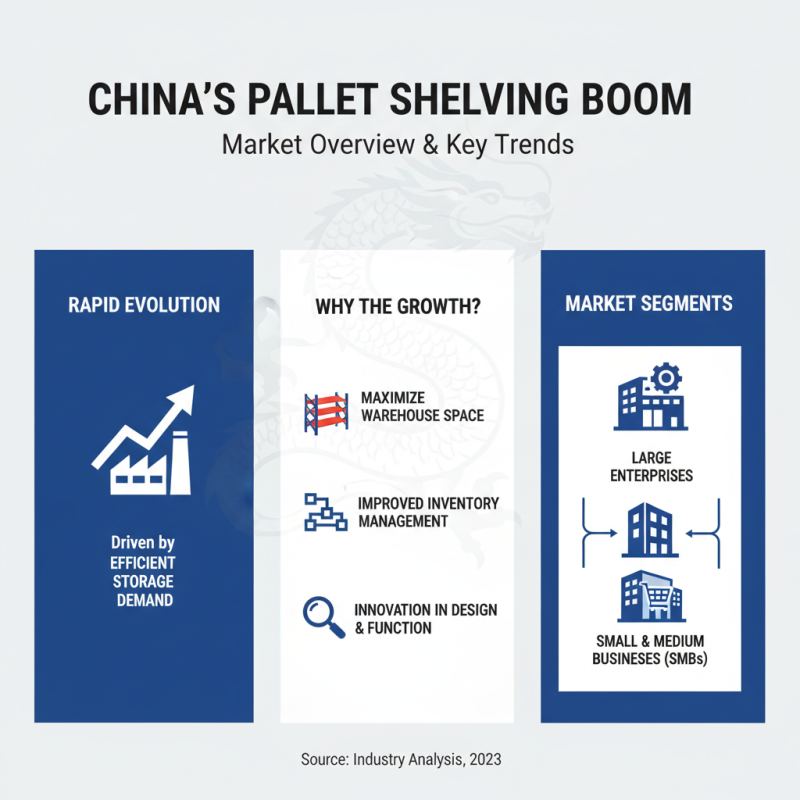
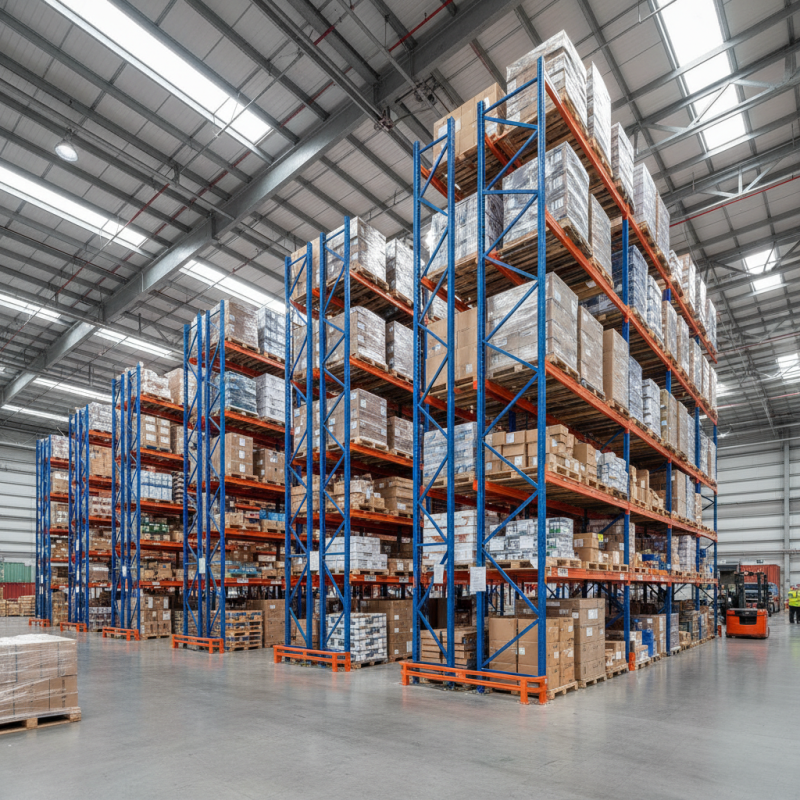
China's pallet shelving market is rapidly evolving. Growing demand for efficient storage solutions drives innovation in design and functionality. Many companies are discovering the benefits of utilizing pallet shelving to maximize warehouse space. This trend is not limited to large enterprises; small and medium businesses also seek these solutions for better inventory management.
Local manufacturers are embracing advanced technology to enhance their products. Robust steel constructions and adjustable designs make these shelves flexible for various applications. Some businesses, however, face challenges in selecting the right options. Understanding the specific needs of the supply chain is critical. Too often, companies mistakenly invest in shelving that does not meet their operational requirements. This necessitates careful consideration and planning before purchase.
Quality control is vital within the market. Some producers might compromise standards to reduce costs. Buyers should seek manufacturers known for reliability and toughness. Trade policies and global supply chain fluctuations can complicate this process further. Buyers need a strong grasp of their market conditions and the landscape related to pallet shelving in China. This awareness will help them make informed decisions.
Key Features of Pallet Shelving Systems in Chinese Manufacturing
Pallet shelving systems are critical in optimizing warehouse spaces, especially in China’s manufacturing landscape. These systems enhance storage density, reduce floor space usage, and improve accessibility. Reports indicate that the pallet racking market is expected to grow at a CAGR of 7.5% from 2022 to 2028, reflecting the rising demand for efficient storage solutions.
Key features of pallet shelving include adjustable configurations, heavy load capacities, and durability. Manufacturers often use high-quality steel to ensure long-term reliability. Additionally, systems can be customized to meet specific operational needs. These features cater not just to large warehouses, but small and medium enterprises as well. It’s important to assess the structural integrity and ease of assembly when selecting a system.
Tip: Regular safety inspections can prevent accidents. Ensure that shelving is securely anchored and free from damage.
Sustainability is another concern. Some manufacturers are now offering environmentally friendly options. However, the sourcing of materials must be scrutinized for its ecological impact. It’s vital to balance efficiency with sustainability in purchasing decisions. Ensuring compliance with local regulations is equally important. Maintaining quality control throughout the supply chain remains a challenge for many buyers in the market.
Global Demand Trends for Pallet Shelving: Data Insights and Predictions
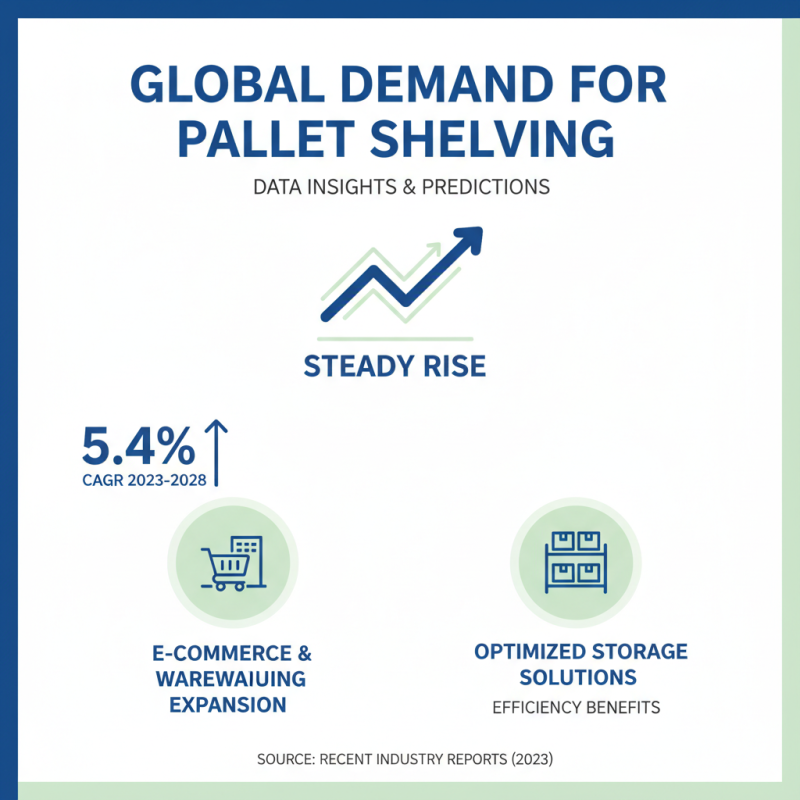
Global demand for pallet shelving has seen a steady rise. According to recent industry reports, the market is projected to grow at a CAGR of 5.4% from 2023 to 2028. This growth is driven largely by the expansion of e-commerce and warehousing sectors. Companies are increasingly recognizing the efficiency benefits of optimized storage solutions.
Data insights reveal significant trends in pallet shelving preferences. Metal shelving remains the most popular choice, favored for durability and load capacity. Furthermore, there is a noticeable shift towards adjustable shelving. This allows for flexibility as storage needs evolve. Companies must adapt or risk falling behind in a competitive landscape.
Yet, challenges persist in this sector. Issues such as fluctuating raw material costs affect pricing stability. Additionally, not all buyers are fully aware of the latest technological advancements in shelving solutions. This knowledge gap could hinder efficient utilization of these systems. Continuous education and adaptation are critical for maximizing operational efficiency.
Comparative Analysis of Chinese vs. Western Pallet Shelving Technologies
Pallet shelving solutions are essential for efficient storage. China and Western countries have different technologies and approaches.
Chinese manufacturers often focus on cost-effectiveness and high capacity. They produce durable shelves that maximize warehouse space. This practical orientation helps them meet global demands.
Western technologies tend to emphasize safety and user-friendliness. Their systems often include advanced features for inventory management. They invest heavily in research and development. This results in robust, reliable products that prioritize worker safety. However, the costs can be significantly higher.
When choosing pallet shelving, consider your specific needs. Understand your storage requirements first. A well-planned layout can dramatically increase efficiency. Tips like assessing load capacities can mitigate costly errors. Remember, even the best systems need evaluation over time. Maintain a regular check on shelf condition to ensure longevity.
Sustainability in Pallet Shelving Production: China's Industry Practices
China's pallet shelving industry has made strides in sustainability. A focus on eco-friendly materials is now common. Manufacturers are increasingly using recycled steel and wood. This reduces waste and promotes resource efficiency. The move towards sustainable production is commendable, though challenges remain.
While many factories adopt green practices, some lag behind. Not all producers prioritize environmental standards. This inconsistency can confuse global buyers. Certifications can help, but they are not always enforced. Even with progress, accountability is an area needing improvement.
Public awareness of sustainability issues is growing. Buyers now seek out companies that prioritize eco-friendly practices. This trend encourages more manufacturers to embrace sustainable methods. However, some strategies remain underdeveloped. Innovation and transparency in the supply chain are essential for long-term success.