What is the Best Warehouse Mezzanine for Your Business Needs?

In the fast-evolving logistics industry, choosing the correct warehouse mezzanine is crucial for any business. Jim Collins, a leading expert in warehouse solutions, states, "The right mezzanine can transform your storage efficiency and workflow." He emphasizes the importance of tailored solutions to meet specific business needs.

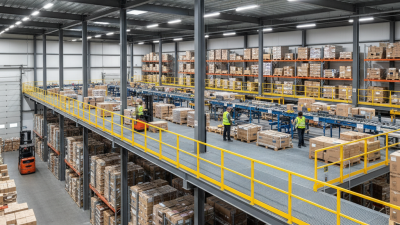
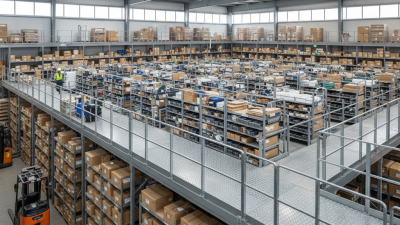
Warehouse mezzanines provide additional vertical space, allowing companies to optimize their facilities. Proper use of a mezzanine can increase storage capacity without the need for costly expansions. However, not every mezzanine system suits every operation. It’s essential to analyze factors such as load requirements and layout.

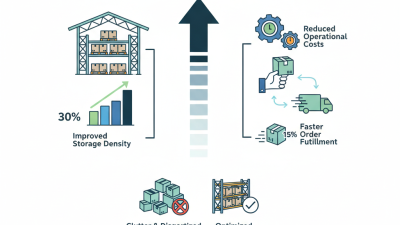
Despite their significant advantages, some businesses overlook the importance of customization. A one-size-fits-all approach may lead to inefficiencies. Investing time in planning and consulting with experts can yield substantial long-term benefits. A well-designed warehouse mezzanine minimizes clutter and enhances productivity. The right choice ultimately depends on understanding your unique operational demands and constraints.
What is the Best Warehouse Mezzanine for Your Business Needs?

Understanding Warehouse Mezzanines: Definition and Purpose

Warehouse mezzanines are essential for maximizing space efficiency. These structures are intermediate floors, often built between existing storage areas. They enable businesses to utilize vertical space, increasing storage capacity without requiring additional square footage. A report by the Material Handling Institute indicates that effective space management can improve productivity by up to 30%.

Understanding the purpose of mezzanines is crucial for any business. They serve various functions, from additional shelving to office spaces or staging areas. For example, a warehouse might implement a mezzanine to create a dedicated area for sorting or packing, streamlining operations. However, improper design can lead to inefficiencies and safety concerns. Inadequate weight distribution could cause structural issues, ultimately hindering workflow.

Safety should never be overlooked. According to the Occupational Safety and Health Administration, falls from heights are a leading cause of workplace injuries. Thus, ensuring the mezzanine has proper guardrails and is designed according to safety standards is vital. Before installation, businesses need to evaluate their specific needs carefully. A poorly planned mezzanine can become a costly mistake rather than a benefit.

Warehouse Mezzanine Usage by Sector

Types of Warehouse Mezzanines: Which One Suits Your Business?

When considering warehouse mezzanines, understanding the different types is essential for maximizing your space efficiently. There are typically two main categories: standard and custom mezzanines. Standard mezzanines are prefabricated for quick installation. They are ideal for businesses needing immediate solutions. Custom mezzanines offer flexibility in size and design. They can be tailored to meet specific operational needs. This choice may incur higher costs but can significantly enhance workflow.

In addition to these types, your business operations play a critical role in selecting a mezzanine. For example, if your warehouse handles large quantities of inventory, a heavy-duty mezzanine may be the best fit. This type supports substantial loads and is durable. Alternatively, if your space is limited, a multi-tier mezzanine can optimize vertical space effectively. It allows various storage levels, increasing your storage capacity without expanding your footprint.

Assessing the specific requirements of your warehouse can lead to more informed decisions. Every business is unique, and what works for one may not suit another. Don't rush this decision; take time to evaluate your long-term goals and current operations. An ill-fitting mezzanine can lead to inefficiencies and stress in logistics. Therefore, careful consideration is vital for a successful implementation.

Key Factors to Consider When Choosing a Mezzanine

When selecting a mezzanine for your warehouse, several key factors must be considered. The design and layout of your space play a crucial role. Think about how much vertical space you have. If your ceiling is low, a low-rise mezzanine may limit its potential. Assess your current storage needs. Will you expand in the future? Understanding these dynamics is vital for choosing the right option.

Another factor is load capacity. Different warehouses have unique needs depending on the type of materials stored. Heavy items require strong support systems. Consult with engineers or warehouse specialists to identify the optimal structure for your requirements.

Additionally, installation time and costs can vary. Budget constraints often influence decisions. Some mezzanines are more complicated to install, leading to additional delays. It often leads to unforeseen expenses. Always factor in these potential issues when weighing options. Balancing immediate needs with future growth is essential for making an informed decision.

Cost Analysis: Budgeting for Your Warehouse Mezzanine

When budgeting for a warehouse mezzanine, consider various cost factors. According to industry reports, the average cost ranges from $15 to $30 per square foot, depending on materials and installation complexity. Flooring, railings, and load requirements will impact the final budget. It's crucial to assess both direct and indirect costs, as inefficient use of space can lead to higher operational expenses.

Analyze your specific requirements before diving into costs. Custom designs may seem appealing but can inflate the budget. A study shows that companies typically save 20-50% on operational costs after implementing effective mezzanine solutions. Regular maintenance and safety assessments are also necessary to avoid unexpected expenses down the line.

Evaluate potential returns. If a mezzanine increases your storage capacity significantly, it can lead to greater profit margins. Research indicates that businesses often achieve a return on investment within 18 months of installation. Use this data to justify expenditures and enhance your business strategy.

What is the Best Warehouse Mezzanine for Your Business Needs? - Cost Analysis: Budgeting for Your Warehouse Mezzanine

Mezzanine Type Material Square Footage Cost per Square Foot Total Estimated Cost Installation Time
Standard Steel Mezzanine Steel 1000 sq ft $25 $25,000 2 weeks
Heavy-Duty Industrial Mezzanine Steel 1200 sq ft $35 $42,000 3 weeks
Mezzanine with Railing Aluminum 800 sq ft $30 $24,000 1.5 weeks
Floating Mezzanine Steel 1500 sq ft $40 $60,000 4 weeks
Customizable Modular Mezzanine Composite Materials 900 sq ft $50 $45,000 2.5 weeks

Installation and Safety Considerations for Mezzanine Structures

When considering the installation of mezzanine structures, safety must be a primary focus. Industrial accidents can lead to costly downtime. According to data from the Occupational Safety and Health Administration (OSHA), improper installations and safety violations can increase the risk of workplace injuries by 60%. This statistic highlights the importance of adhering to safety standards during construction. Proper training for installation teams is crucial.

Additionally, the building materials impact both safety and efficiency. Elevated storage solutions require robust materials. Research indicates that steel mezzanines offer superior strength and longevity. They can safely support heavy loads, which is vital for high-volume warehouses. Inspection protocols should include regular checks on load-bearing capacity to ensure compliance with safety regulations.

Compliance with local building codes is another critical consideration. Some regions have specific requirements for mezzanine installations. Understanding these rules prevents legal issues and improves worker safety. Regular maintenance is essential to address wear and tear. The dynamic nature of warehouse operations means that periodic evaluations of mezzanine structures can reveal potential hazards. Investing in ongoing training and safety audits fosters a culture of awareness.