In recent years, the demand for Electric Water Heaters has surged globally. This shift reflects a growing awareness of energy efficiency and environmental sustainability. As buyers explore options for 2026, several key trends are emerging in the market.
Innovation is at the forefront, with advanced technologies enhancing performance. Smart controls enable users to adjust temperatures remotely. Many models now offer faster heating capabilities, reducing wait times for hot water. The design of Electric Water Heaters is also evolving. Sleek, compact units cater to modern aesthetics while saving space. However, with so many choices, buyers might feel overwhelmed. It is essential to research and evaluate brands for reliability and service support.
While the advantages are clear, some challenges persist. Higher upfront costs can deter potential buyers. Additionally, not all models suit every household's needs. Understanding your water usage is crucial to making informed decisions. The landscape of Electric Water Heaters is changing, making it important for consumers to stay updated on trends and technology.
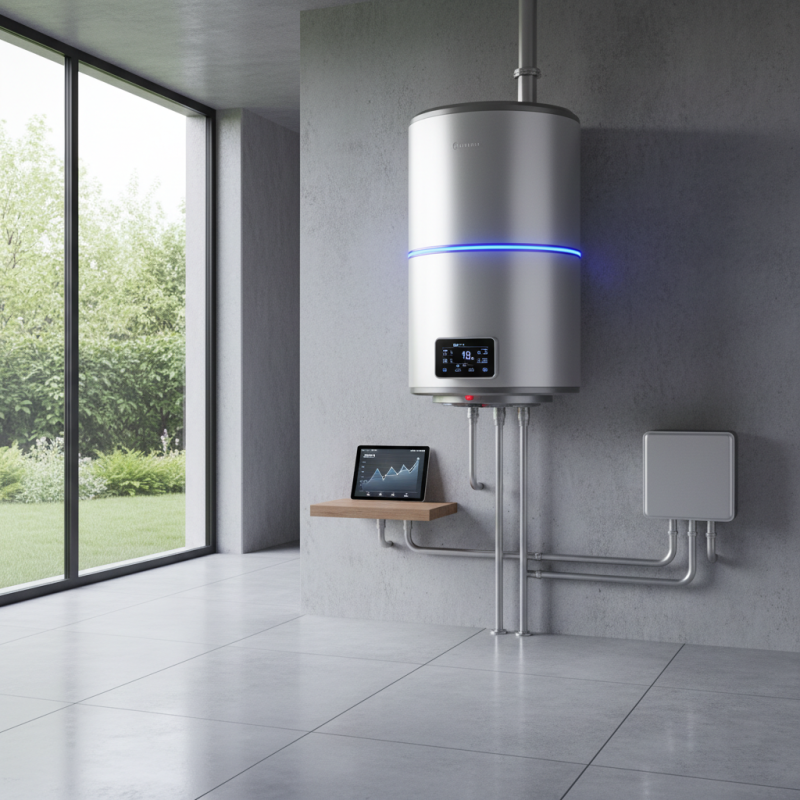
As we look toward 2026, electric water heaters are set to undergo significant changes. Emerging technologies in this field promise to enhance efficiency and reduce energy consumption. One notable trend is the integration of smart technology into water heater systems. With IoT capabilities, homeowners can remotely monitor and control their water heaters. This not only improves convenience but can also lead to energy savings.
Another exciting development is the shift towards more sustainable heating methods. Heat pump water heaters are gaining traction. These systems use electricity to transfer heat instead of generating it. They are often more energy-efficient than traditional electric heaters. However, their upfront costs and installation processes can be complex.
Innovations in materials are also noteworthy. Improved insulation materials help retain heat more effectively. This results in lower energy usage over time. Yet, implementing these new materials may pose challenges in terms of production and cost. Overall, while advancements in electric water heater technology are promising, industry players must address these hurdles to fully realize their benefits.
| Trend | Description | Emerging Technology | Impact on Consumers |
|---|---|---|---|
| Smart Connectivity | Integration with home automation systems for remote monitoring. | IoT technology and smart sensors. | Enhanced control and energy efficiency. |
| Energy Efficiency Improvements | Higher energy ratings and reduced electricity consumption. | Heat pump technology and advanced insulation. | Lower utility bills and reduced carbon footprint. |
| Sustainable Materials | Use of recyclable or environmentally friendly materials in manufacturing. | Bio-based plastics and recycled metals. | Appeal to environmentally conscious consumers. |
| Instant Heating Technology | Provides hot water on demand, eliminating waiting time. | Tankless water heating systems. | Increased convenience and efficiency. |
| Compact Designs | Smaller units suitable for apartments and limited space. | Innovative engineering and design improvements. | More options for urban living and convenience. |
As the world faces energy challenges, sustainability has become a priority in electric water heating. Modern consumers are more conscious about their energy choices, seeking solutions that minimize environmental impact. Electric water heaters play a crucial role here. They offer cleaner energy options compared to traditional heating methods, making them appealing for eco-conscious buyers.
Energy efficiency is at the forefront of electric water heater innovations. New technologies focus on reducing energy consumption while maintaining performance. Heat pump water heaters have emerged as a popular choice. They extract heat from the air and use it to warm water. This approach can reduce energy use up to 60%. It's essential, however, to consider local climate conditions. Not all systems perform well in every environment, which can lead to wasted energy and resources.
Adopting smart technology is another growing trend. Many electric water heaters now offer smart features that allow users to monitor and control usage. This data helps consumers make informed decisions about their energy consumption. Yet, it’s important to acknowledge potential privacy concerns with data collection. Balancing efficiency with user privacy remains a challenge in the evolving landscape of electric water heating.
Electric water heaters are evolving rapidly, driven by consumer preferences. Today's buyers seek energy efficiency and sustainable options. Many prefer models that reduce energy consumption while maintaining performance. This trend emphasizes not just innovative technology but also environmental responsibility.
Moreover, smart features are gaining traction among users. Consumers are increasingly attracted to devices that offer remote control and monitoring capabilities. This technology enables better energy management, giving users the ability to adjust settings via smartphone apps. However, not all consumers understand these features fully, raising questions about usability and accessibility.
As manufacturers respond to these demands, the focus on aesthetics is also noticeable. Stylish designs attract homeowners looking to blend functionality with modern decor. Yet, this emphasis on aesthetics can overshadow performance aspects. It highlights a need for balance between looks and efficiency, as buyers navigate their choices in an ever-evolving market.
Smart home integration is reshaping electric water heater design. Today, consumers expect devices that seamlessly connect with their smart home ecosystems. Homeowners want more control over their energy consumption and comfort. Electric water heaters must adapt to meet these changing needs.
One trend is the development of app-controlled water heaters. Users can monitor settings remotely, adjusting temperatures or schedules from their smartphones. This accessibility enhances user convenience and energy efficiency. Additionally, learning algorithms can predict usage patterns. This feature allows the heater to optimize heating cycles based on individual preferences.
However, manufacturers face challenges in this smart integration. Compatibility issues can arise, complicating the connection to existing smart devices. Not all consumers understand how to use new technology, leading to frustration. The industry must prioritize user-friendly interfaces to bridge this gap. The evolution is ongoing, requiring brands to remain flexible and responsive to consumer feedback.
This chart illustrates the importance of various trends in electric water heater design for 2026, highlighting the impact of smart home integration and other significant factors affecting consumer decisions.
In 2026, the global market for electric water heaters is poised for significant growth. With rising energy costs, consumers seek effective alternatives. Many regions are shifting towards electric solutions, aligning with sustainability goals. The demand reflects a broader trend towards energy-efficient appliances. As environmental regulations tighten, electric water heaters have gained a competitive edge. They promise reduced carbon footprints, appealing to eco-conscious buyers.
Technological advancements are also influencing this market. Features like smart controls and improved insulation enhance energy efficiency. However, not all innovations deliver expected results. Some products may fall short in real-world applications, prompting buyers to research thoroughly. Understanding local climates and energy sources remains essential. Different regions face unique challenges in heating water effectively. As consumer awareness grows, so does skepticism. Buyers may question claims made by manufacturers. It’s vital to prioritize reliability and proven performance when choosing models.
Investing in an electric water heater is a significant decision. Consumers need to navigate various options carefully. Installation costs, energy consumption, and maintenance are vital considerations. Many buyers are still unfamiliar with the latest trends. This uncertainty can hinder informed choices. Partnerships between manufacturers and local experts could bridge this knowledge gap.